According to TransUnion's Q2 2026 Mobility Report, the mix of new energy vehicles changed significantly during the second quarter of 2026. Traditional hybrids accounted for 45% of the new energy vehicle category, down from 60% in the first quarter of 2026 and 85% in the first quarter of 2025.
At the same time, plug in hybrid vehicles increased their share to 39%, compared with 7% in the first quarter of 2025. Fully electric vehicles accounted for 16%, up from 8% in Q1 2025.
The figures indicate a widening mix of technologies being offered to South African consumers rather than a market dominated by a single type of alternative powertrain.
Traditional hybrids, also known as HEVs, remained the largest category during Q2, but their share had declined substantially compared with the previous year.
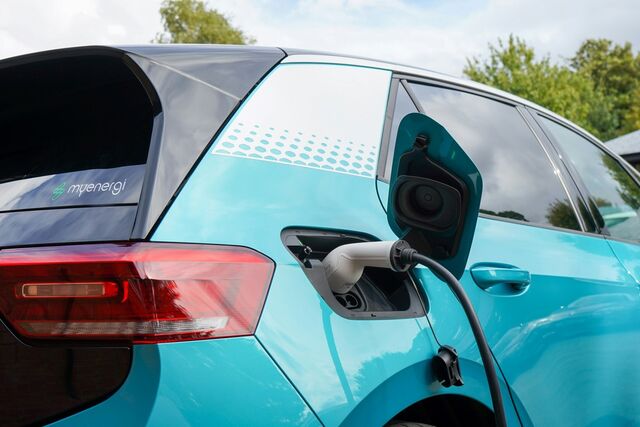
PHEVs recorded the largest increase in share over the period covered by the report. Unlike conventional hybrids, plug in hybrids can be connected to an external power source to recharge their batteries, while retaining an internal combustion engine.
Fully electric vehicles, or EVs, also increased their share of the new energy vehicle market, reaching 16% in Q2 2026 compared with 8% in Q1 2025.
TransUnion says the narrowing gap between conventional hybrids and plug-in hybrids points towards a more diversified electrification pathway in South Africa.
The report links this development to wider product availability and growing consumer awareness, while citing Naamsa's view that South Africa's transition towards new energy vehicles is likely to involve several technologies.
The changing powertrain mix is taking place against a vehicle market in which affordability and running costs are becoming increasingly important.
It says South African consumers are becoming more deliberate in their vehicle purchasing decisions, with greater attention being paid to fuel efficiency, financing costs, vehicle utility and total cost of ownership. The report also identifies hybrids as an increasingly attractive option for consumers who are focused on running costs.
This is occurring while the broader vehicle market continues to experience growth.
New passenger vehicle sales reached 109 401 units during Q2 2026, representing 15.8% year-on-year growth, although sales were lower than the exceptionally strong first quarter. TransUnion says competitive pricing, improved product availability and underlying mobility needs continued to support demand.
The report also points to very low new vehicle price inflation. New vehicle inflation was around 0.6% year on year during Q2, while competition and increasing Chinese brand penetration contributed to pressure on vehicle pricing.
At the same time, higher fuel prices and renewed inflationary pressure are placing greater emphasis on the running costs associated with vehicle ownership.
Consumers are increasingly considering total cost of ownership alongside the initial purchase price. Fuel efficiency is specifically identified as one of the factors influencing current purchasing decisions.
The report does not identify one particular new energy technology as replacing the others. Instead, its Q2 figures show a market in which conventional hybrids, plug-in hybrids and fully electric vehicles are all contributing to the changing vehicle mix.
The shift also comes as the South African automotive market becomes more diverse, with new products and manufacturers increasing consumer choice.
According to TransUnion, the Q2 2026 figures therefore point to a new energy vehicle market in which the different electrified technologies are gaining varying levels of market share as product availability and consumer awareness increase.
- Source: TransUnion Q2 2026 Mobility Report, with the report citing Naamsa in its discussion of South Africa's technology-diverse electrification pathway.
- Photo by myenergi on Unsplash