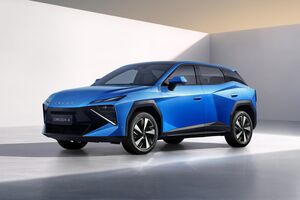
The report says Chinese brands recorded 72% year-on-year sales growth during Q2, compared with 3% growth among OEM brands.
Several Chinese manufacturers recorded particularly strong increases. Jetour sales rose 213% year on year, followed by Foton at 86%, JAC Motors at 57%, Omoda and Jaecoo at 49%, and Chery at 29%.
The growth is increasingly reflected in the overall structure of the South African passenger and light commercial vehicle market (LCV).
According to TransUnion, the combined share of Chinese brands rose to approximately 22% during Q2. This means that around one in every five passenger and LCV vehicles sold came from a Chinese brand.
South African-based OEMs accounted for approximately 47% of the market, according to the report. TransUnion says the growing Chinese share reflects an increasing change in market structure rather than simply the arrival of additional brands.
Several factors are identified behind the growth of Chinese manufacturers, including a broadening range of models, expanding dealer networks and increasing consumer awareness. Chinese manufacturers are moving from being challengers in the market towards becoming mainstream competitors.
The report says Chinese brands are increasingly competing directly with the used vehicle market because of the combination of competitive pricing, specification levels and technology offered by their new vehicles.
This creates a different choice for consumers who might traditionally have considered buying a used vehicle from an established brand rather than a new vehicle from a less established manufacturer.
TransUnion says the next test for Chinese brands will therefore be in the secondary market.
As the first significant groups of financed Chinese vehicles reach the end of their finance terms, residual values, resale liquidity and refinancing prospects will become important indicators.
The report says strong performance in the secondary market could further strengthen consumer and lender confidence. Conversely, weaker residual values could increase ownership and financing risks.
The growing presence of Chinese brands is also influencing competition between manufacturers. TransUnion states that established OEMs face increasing pressure in areas including pricing, product features, technology, fuel efficiency and total cost of ownership.
Dealers and financiers will also need to operate in a market where Chinese brands are becoming increasingly established. The trend is occurring against a wider background of resilient vehicle demand. New vehicle registrations increased 13.8% year on year during Q2, according to NaTIS data cited in the report.
Sustained growth is notable given higher fuel prices, renewed inflationary pressure and subdued economic growth. For Chinese manufacturers, their increasing market share therefore coincides with a period in which affordability, running costs and vehicle specifications are becoming increasingly important considerations for buyers.
Source: TransUnion Q2 2026 Mobility Report, including NaTIS data cited in the report.
Photo: https://www.vecteezy.com/