South Africa’s electric vehicle legacy points to the future
As South Africans celebrate their rich heritage, it is also worth reflecting on a lesser-known chapter of the country's history: its long connection with electric vehicles (EVs).
Share with friends
While many regard EVs as a modern innovation, South Africa's involvement with the technology stretches back more than five decades and could play an important role in the future of the local automotive industry.
The James Hall Museum of Transport in Johannesburg, the largest and most comprehensive land transport museum in Africa, preserves much of this story. The museum documents South Africa's transport evolution from animal-drawn vehicles in the 19th century through to the arrival of motor vehicles and modern transport technologies. It is also home to several significant milestones in the country's electric vehicle journey.
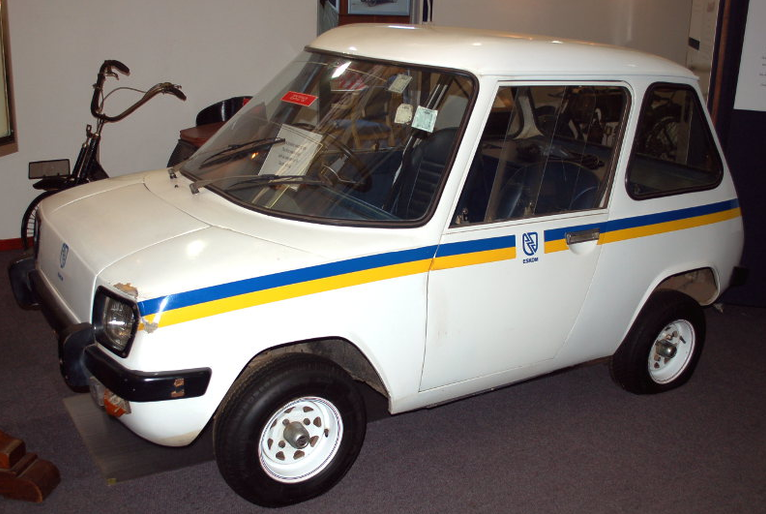
The 1974 Enfield 8000.
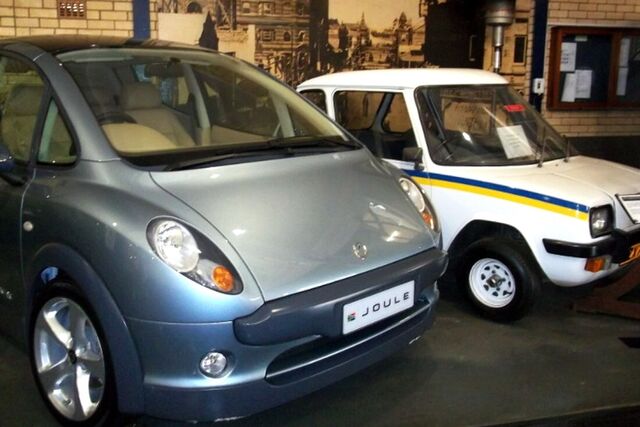
Among the exhibits is the 1974 Enfield 8000, recognised as the first electrically powered car brought to South Africa. The vehicle was imported by Haggie Rand to support the development of a chloride battery project. Over the years it became a symbol of the early potential of electric mobility, later forming part of Eskom's electric vehicle programme before being donated to the museum.
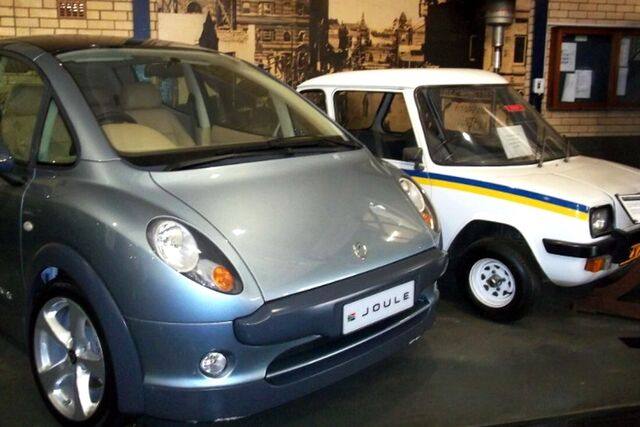
Standing alongside it is the Joule, the ambitious electric vehicle developed by Cape Town-based Optimal Energy. Although the company ceased operations in 2012, the Joule remains an important reminder that South African engineers were working on advanced electric vehicle technology long before EVs became a global mainstream product.
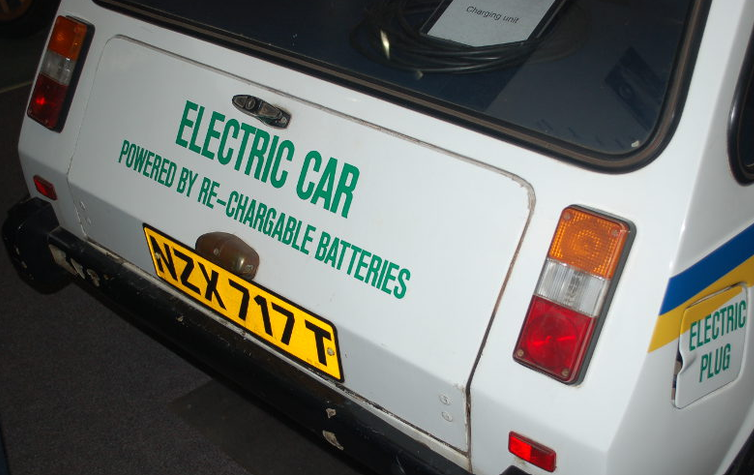
Driven by rechargeable batteries.
The commercial era of electric vehicles in South Africa began in November 2013 when the Nissan Leaf became the first battery-electric vehicle officially sold in the country. Since then, the market has expanded considerably, with motorists now able to choose from more than 50 battery-electric passenger vehicle models.
“Heritage is not simply where we have been, it is also what we choose to build next. South Africa has been part of the electric vehicle story for fifty years,” says Hiten Parmar, Executive Director of The Electric Mission. “Now we have the chance to make these vehicles here, for our own roads, and for the world.”
South Africa's automotive manufacturing sector has a history spanning more than a century, yet no battery-electric or hydrogen-powered vehicles are currently assembled locally. However, growing demand in export markets such as the United Kingdom and European Union is increasing pressure on manufacturers to shift towards zero-emission technologies.
Recent policy developments, including incentives under Section 12V of the Income Tax Act, are intended to encourage investment in local production of electric and hydrogen-powered vehicles.
Parmar believes the transition is already under way. “Globally, the sale of internal combustion engine vehicles has already peaked in 2017, and today, more evidently, consumers are using their purchasing power under volatile fuel prices with the transition to electric vehicles,” he says.
According to international assessments, South Africa ranks among the world's leading countries for the average number of electric vehicles per public charging point, while the overall cost of ownership is becoming increasingly attractive for both private motorists and businesses.
Mitsubishi Motors Bedfordview has been awarded the prestigious Overall Dealer of the Year title in the brand’s annual dealer evaluation and awards program, recognising its outstanding performance and commitment to excellence across all areas of the business.
South African consumers face growing pressure on household finances after the South African Reserve Bank raises interest rates, adding to a range of rising costs that are already influencing vehicle purchasing decisions.
South Africa's economic recovery lost some momentum during the second quarter of 2026, while higher fuel and transport costs increased pressure on household affordability.
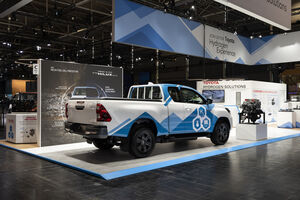
Toyota is sharpening its focus on hydrogen as a practical route to cleaner heavy-duty transport, using IAA Transportation 2026 to showcase new fuel cell technology and partnerships with leading commercial vehicle manufacturers.
To mark World EV Day, Zero Carbon Charge (CHARGE) has launched the N3 EV Real-World Test. The initiative will turn everyday electric vehicle journeys between Johannesburg and Durban into a growing source of real-world data for South African motorists and fleet operators considering the switch to electric.