Electrified driving is reshaping performance for a new generation
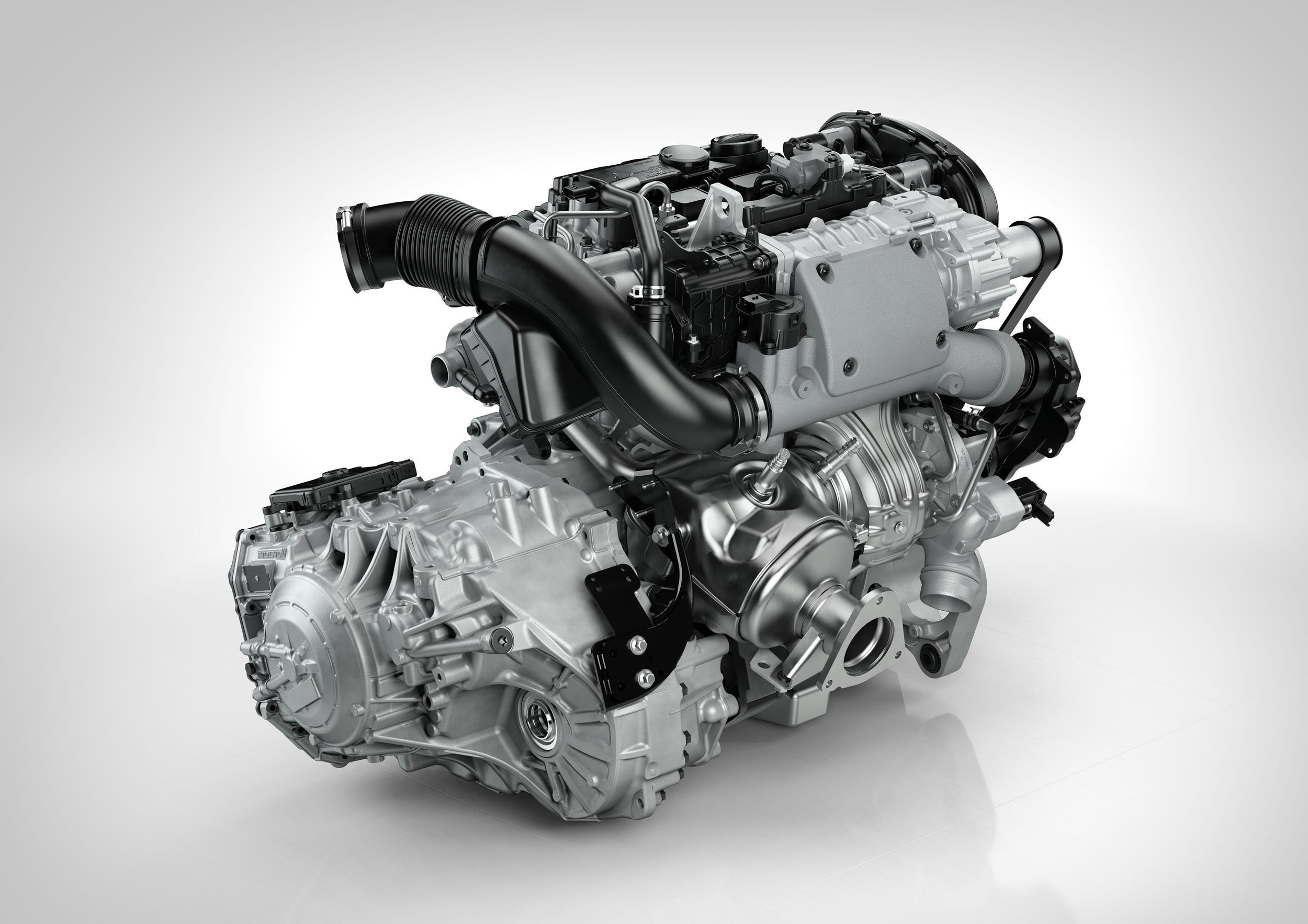
For most of driving history, the sound of excitement has been orchestrated by the internal combustion engine (ICE).
Share with friends
The roar of exhausts, gear changes and high-revving performance signaled that drama was afoot. If it were an opera house, the ICE would play the role of the conductor, powerfully leading an orchestra through a crescendo.
That association ran deep enough that when electric vehicles first arrived in South African driveways, many committed drivers assumed something essential had been left out along with the exhaust note. That assumption is changing.
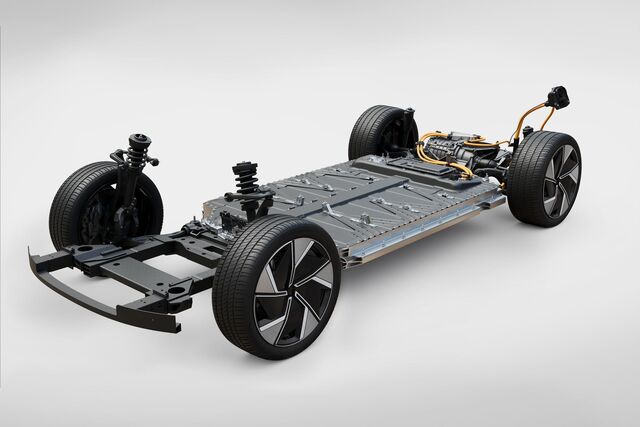
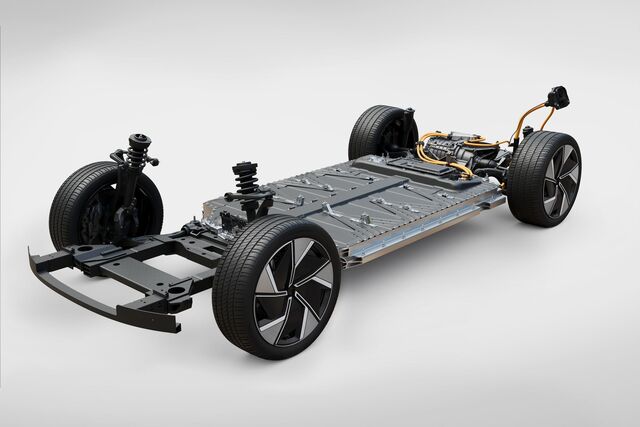
What has shifted since then is that high-performance electrified vehicles are quickly becoming more commonplace. For example, Volvo's EX30 Twin Motor Performance produces 315kW and 543Nm of torque, enough to accelerate from 0 to 100 km/h in 3.6 seconds.
A decade ago, that figure would have belonged to a specialist performance car, now it’s found in a compact SUV. What makes that number feel different behind the wheel is timing. An electric motor delivers its full torque from the moment the pedal is pressed, with no gears to shift through and no revs to build first. The result is not simply quicker; it is immediate in a way combustion engines, by design, cannot quite replicate.
Remove the engine note, and something else becomes apparent: how much of the traditional driving experience was noise management. Having a quieter cabin is not a loss of character so much as a different kind of clarity. It means greater awareness of the road itself; a cleaner sense of how the car is responding to the driver and less fatigue on a long commute. For many owners, that clarity turns out to be its own reward, distinct from anything a gearbox or exhaust once provided, Volvo claims.
Many drivers still value what a combustion engine sounds and feels like, and that remains a legitimate form of enjoyment, unlikely to disappear soon. It is, however, no longer the only form.
Cars now update themselves after purchase, adjust drive modes on demand and manage batteries intelligently, so enthusiasts care as much about what a car can do as what sits under the bonnet.
This broadening is where brands like Volvo have something to prove. Building an electric car that is genuinely quick, composed, and engineered around decades of safety-centred thinking is not a consolation prize for drivers who miss internal combustion. It is a different answer to the question every carmaker has always been asking what makes a car worth driving.
The journey from petrolhead to EV convert was never truly about relinquishing driving pleasure. It concerns discovering where that pleasure now resides, in the torque curve, in the quiet, in a car that continues to improve after it has been bought. The destination may have changed, but the reason for the drive has not, says Volvo.
Peugeot has expanded its Landtrek line-up with the addition of a new turbodiesel-powered model aimed at buyers looking for increased performance, greater towing capability and updated technology. The latest derivatives join the range from October 2026 and introduce a significant powertrain upgrade for the bakkie.
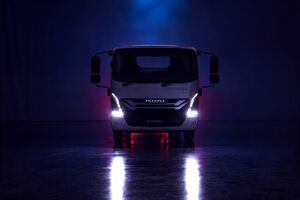
Isuzu Motors South Africa will launch its Next Generation N-Series in November, bringing new technology and design updates to improve efficiency, safety, driver comfort, and operating value for commercial vehicle fleets.
SMSA Africa Logistics Group has added five Hino 300 diesel electric hybrid trucks with van bodies to its fleet, following a two-year trial of three such trucks in its delivery operation.
South Africa's new energy vehicle market is becoming increasingly diverse, with plug in hybrid electric vehicles (PHEVs) and fully electric vehicles gaining ground while traditional hybrids remain the largest category.
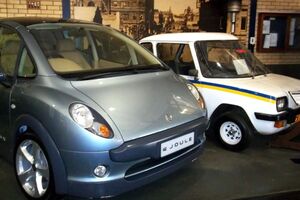
As South Africans celebrate their rich heritage, it is also worth reflecting on a lesser-known chapter of the country's history: its long connection with electric vehicles (EVs).