Zimi and CHARGE Holdings partner to electrify freight along N3 corridor
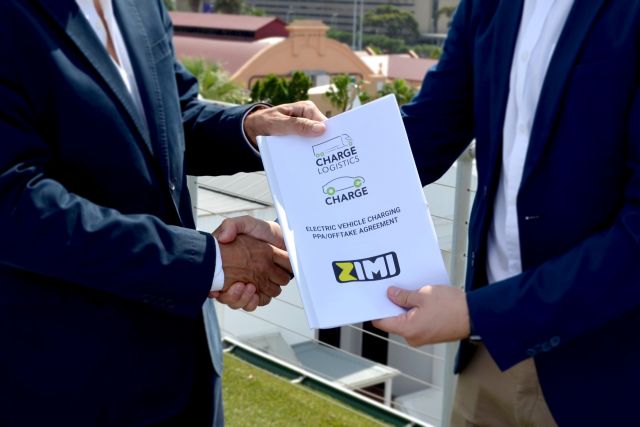
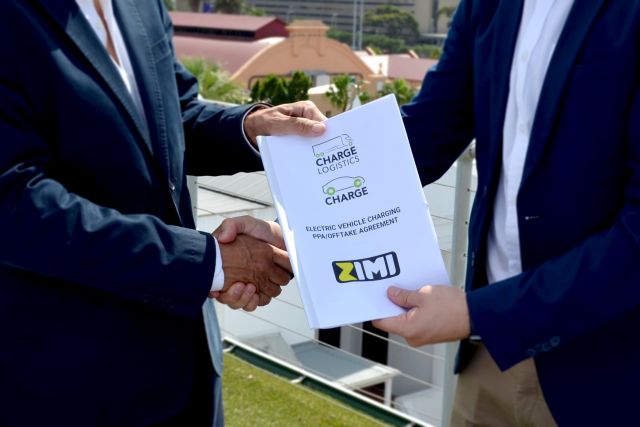
Zimi and Zero Carbon Holdings (CHARGE Holdings) are proud to announce a three-year agreement to support the rollout of electric freight operations along South Africa’s N3 corridor.
Share with friends
The partnership aims to accelerate EV logistics along one of South Africa’s most critical transport routes.
Zimi acts as a logistics aggregator, working with commercial fleet operators to deploy electric vehicles on fixed routes while securing reliable charging access. By bundling vehicles, energy, and software in one unified lease, Zimi removes the complexity of electrification for last-mile and long-haul operators alike.
CHARGE Holdings operates Zero Carbon Charge (CHARGE) and Zero Carbon Logistics (CHARGE Logistics). The partnership comes as CHARGE prepares to launch two new off-grid, solar-powered EV charging stations along the N3 freight route between Johannesburg and Durban in May 2026. This is the CHARGE N3 Tugela in KwaZulu-Natal and CHARGE N3 Roadside in the Free State. These stations will support Zimi’s rollout of electric delivery fleets along the corridor.
Andries Malherbe (co-founder and Director of CHARGE Holdings) and Michael Maas (Zimi CEO).
Under the agreement, Zimi-operated vehicles will have reserved charging capacity of up to 500kWh per station per day, ensuring reliable energy access for electric delivery fleets. Each site will support peak charging of over 300kW with six fast-charging connectors capable of delivering up to 600A.
By generating power directly at the charging site, the model aims to protect fleet operators from rising electricity tariffs and volatile fuel prices while enabling more predictable operating costs. The N3 rollout forms part of CHARGE’s broader national deployment strategy.
Michael Maas, Zimi CEO said the partnership represents an important step toward scaling electric logistics in South Africa. “Reliable, always-on charging infrastructure is essential for fleet electrification. Working with CHARGE holdings allows us to deploy electric delivery vehicles on one of the country’s busiest freight routes while ensuring predictable charging access and operational uptime.”
Andries Malherbe, co-founder and Director of CHARGE Holdings, said the collaboration demonstrates how renewable charging infrastructure can support long-distance electric freight. “This is true electrification of long-distance logistics.
“By partnering with Zimi, we are demonstrating how off-grid renewable charging infrastructure can support reliable, long-distance logistics while strengthening South Africa’s energy resilience. Working with Zimi’s logistics partners, we can ensure that our infrastructure is supported by consistent commercial demand from fleet operators, alongside the growing passenger EV market. This strengthens the long-term viability of the charging network while helping accelerate the shift to cleaner transport along one of the country’s most important trade corridors,” he adds.
Few can claim a bond with Mazda as deep as the Plitt family's. For more than 60 years, Mazda has been part of the family's story through Mazda Vereeniging, the oldest Mazda dealership in South Africa and a longstanding standalone representative of the brand.
Peugeot has expanded its Landtrek line-up with the addition of a new turbodiesel-powered model aimed at buyers looking for increased performance, greater towing capability and updated technology. The latest derivatives join the range from October 2026 and introduce a significant powertrain upgrade for the bakkie.
Cars are the ultimate symbol of freedom, independence and individualism. They offer the freedom to ‘go anywhere,’ whenever it suits and with whom one chooses.
SMSA Africa Logistics Group has added five Hino 300 diesel electric hybrid trucks with van bodies to its fleet, following a two-year trial of three such trucks in its delivery operation.
South Africa's new energy vehicle market is becoming increasingly diverse, with plug in hybrid electric vehicles (PHEVs) and fully electric vehicles gaining ground while traditional hybrids remain the largest category.
As South Africans celebrate their rich heritage, it is also worth reflecting on a lesser-known chapter of the country's history: its long connection with electric vehicles (EVs).