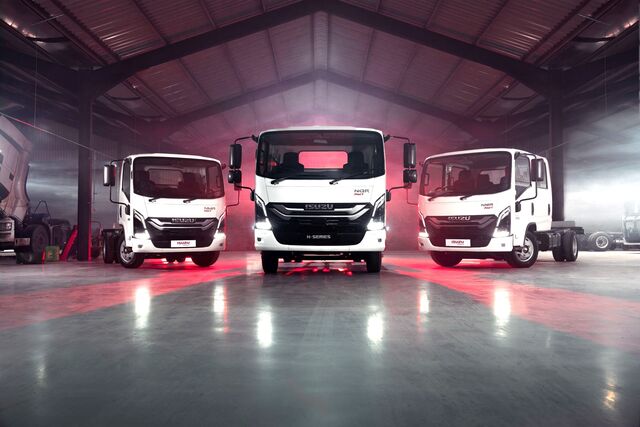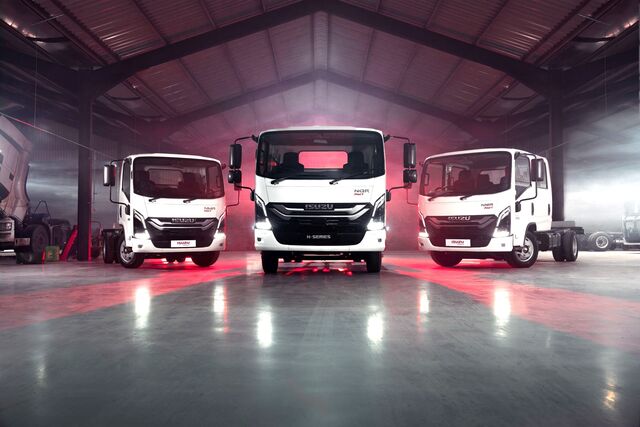
Built on the new Isuzu Modular Architecture and Component System (I-MACS), the latest N-Series has been engineered to support a variety of powertrain solutions over time. While the South African market will initially focus on advanced diesel applications, Isuzu is already testing compressed natural gas (CNG) and battery electric vehicle technologies internationally as it prepares for a more diversified future.
What is it?
The new N-Series arrives as the seventh generation of Isuzu's light and medium-duty truck range. More than a routine facelift, it represents a complete redesign of the platform, giving Isuzu the flexibility to expand the model line-up and integrate new propulsion technologies in the years ahead.
According to Isuzu, the new architecture has been developed to address evolving customer needs while laying the groundwork for future emissions and sustainability requirements.
Powertrains:
The initial range includes several Euro 5-compliant models featuring advanced diesel technology and exhaust after-treatment systems designed to reduce emissions. Isuzu's Diesel Oxidation Catalyst (DOC) system enables cleaner operation without requiring AdBlue, reducing running costs and maintenance complexity for operators.
The line-up includes the NMR 250 AMT, NPS 300 AMT and the upcoming NPR 400 CNG, which will be offered with either manual or Automated Manual Transmission (AMT). The NQR 550 expands the brand's presence in the medium-duty segment, delivering greater payload capability and operational efficiency.
Exterior:
The new N-Series adopts a more modern and functional design, with styling updates that support improved visibility and safety. Standard Bi-LED headlamps, LED fog lamps and Daytime Running Lights provide enhanced illumination and road presence.
A redesigned front section incorporates energy-absorbing structures intended to reduce injury severity in low-speed collisions involving pedestrians and other vulnerable road users. Visibility has also been improved through the adoption of a new wet-wiper system designed to keep the windscreen cleaner during operation.
Interior:
Inside the cab, Isuzu has focused on driver comfort and ease of use. A redesigned driving environment includes a smaller steering wheel to improve manoeuvrability and facilitate easier entry and exit from the vehicle.
Additional enhancements include a more effective air-conditioning system, suspended accelerator pedal for improved foot clearance and a new mechanical suspension seat designed to reduce fatigue during long working hours. The instrument cluster features a multi-information display that provides key operating information such as fuel economy data and engine hours.
Safety and technology:
Safety has been a major focus during development. The cab complies with the demanding ECE-R29 standard, improving occupant protection in the event of a collision.
Technology features include the Isuzu Insight telematics platform, supplied with a two-year subscription. The system provides fleet managers with vehicle monitoring, service reminders, operational intelligence and alerts aimed at improving productivity and reducing downtime. Collectively, these upgrades position the new N-Series as one of the most technologically advanced trucks in Isuzu's local commercial vehicle portfolio.