Volvo’s Hydrogen Truck fuel-efficient and powerful
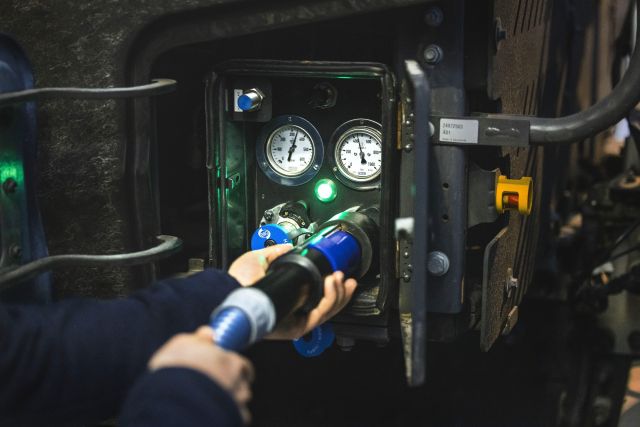
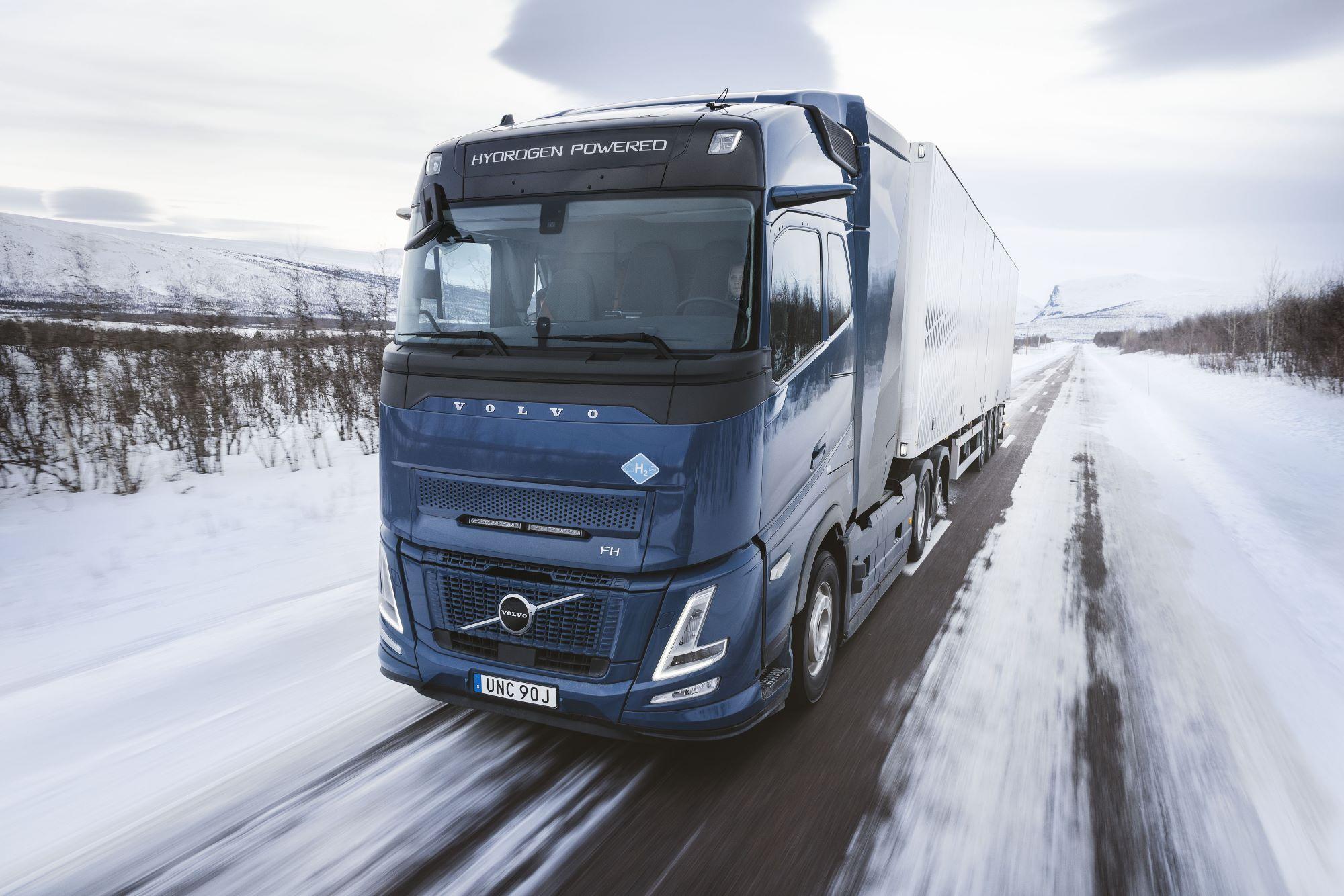
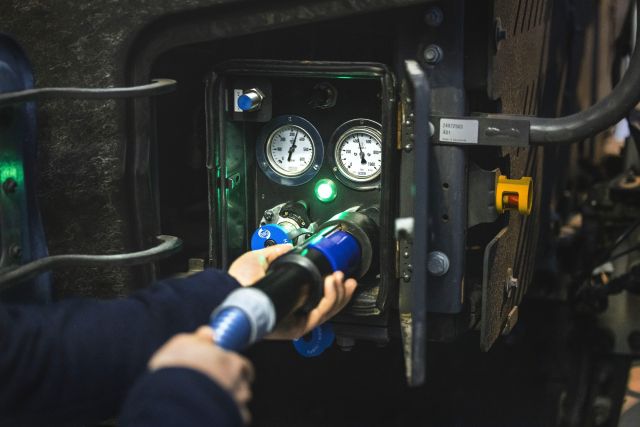
Volvo has commenced on-road testing of heavy trucks powered by hydrogen combustion engines. This pioneering solution places Volvo at the forefront of the industry, with commercial launch planned before 2030.
Share with friends
Volvo’s hydrogen-powered trucks promise industry-leading performance, combining higher energy efficiency, reduced fuel consumption and enhanced engine power compared with conventional hydrogen combustion technology.
The breakthrough lies in High Pressure Direct Injection (HPDI), a system in which a small amount of ignition fuel is injected at high pressure to enable compression ignition before hydrogen is added. Volvo already employs this technology in its gas-powered trucks, with more than 10 000 units sold worldwide.
Jan Hjelmgren, Head of Product Management at Volvo Trucks, explains: “On-road testing is an important milestone for our hydrogen combustion engine trucks. I am confident they will set the industry benchmark in fuel efficiency, power, torque and drivability. Customers will be able to operate them just like diesel trucks. Our proven experience with HPDI technology in over 10 000 gas-powered trucks is strong evidence of its performance.”
Hydrogen combustion engine trucks are particularly suited to long-distance operations and regions where charging infrastructure is limited or turnaround times for battery-electric trucks are impractical.
When powered by green hydrogen and renewable HVO as ignition fuel, Volvo’s hydrogen combustion trucks have the potential to deliver net zero CO₂ emissions on a well-to-wheel basis. Under EU CO₂ emission standards, they are classified as “Zero Emission Vehicles” (ZEV).
Derived from Volvo’s advanced diesel powertrain, the hydrogen engine delivers diesel-like performance while substantially reducing CO₂ emissions. These trucks will complement Volvo’s portfolio of battery-electric vehicles, fuel cell electric trucks and models running on renewable fuels such as biogas and HVO.
Jan Hjelmgren adds: “We see great potential for hydrogen combustion engine trucks, and they will play a vital role in the transition to zero tailpipe emission transport. Several technologies will be required to achieve decarbonisation. As a global truck manufacturer, we provide a range of solutions and help our customers select the best option based on transport needs, infrastructure and energy prices.”
Key Facts: Volvo Hydrogen Combustion Trucks:
Volvo Trucks’ hydrogen-powered models will use the fuel-efficient HPDI technology from Cespira (www.cespira.com).
Operational range will exceed the daily driving distance of many customers.
Thanks to low CO₂ emissions, these trucks are categorised as “Zero Emission Vehicles” under EU standards.
Hydrogen can also power fuel cell electric trucks, which produce electricity on board and emit only water vapour. Volvo plans to introduce fuel cell electric trucks in limited volumes before 2030.
Volvo’s three-path strategy to net zero comprises battery-electric, fuel cell electric and combustion engines using renewable fuels.
Few can claim a bond with Mazda as deep as the Plitt family's. For more than 60 years, Mazda has been part of the family's story through Mazda Vereeniging, the oldest Mazda dealership in South Africa and a longstanding standalone representative of the brand.
Peugeot has expanded its Landtrek line-up with the addition of a new turbodiesel-powered model aimed at buyers looking for increased performance, greater towing capability and updated technology. The latest derivatives join the range from October 2026 and introduce a significant powertrain upgrade for the bakkie.
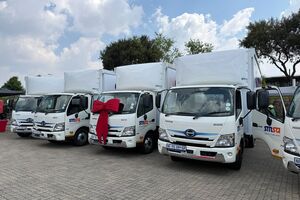
SMSA Africa Logistics Group has added five Hino 300 diesel electric hybrid trucks with van bodies to its fleet, following a two-year trial of three such trucks in its delivery operation.
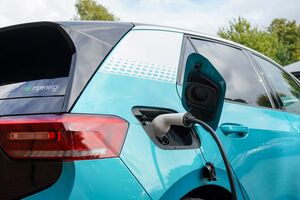
South Africa's new energy vehicle market is becoming increasingly diverse, with plug in hybrid electric vehicles (PHEVs) and fully electric vehicles gaining ground while traditional hybrids remain the largest category.
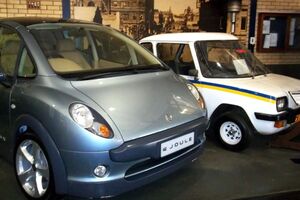
As South Africans celebrate their rich heritage, it is also worth reflecting on a lesser-known chapter of the country's history: its long connection with electric vehicles (EVs).