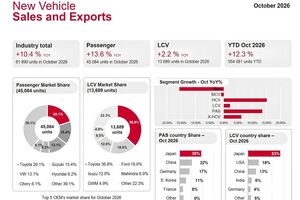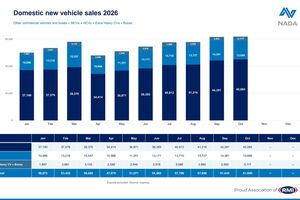
According to naamsa | The Automotive Business Council, cumulative NEV sales reached 22 389 units between January and September 2026. This was 34.0% higher than the 16 703 units recorded during the whole of 2025, with three months of the year still remaining.
The figures point to a changing mix of powertrains in the South African passenger vehicle market, with rechargeable vehicles accounting for an increasing share of new energy vehicle sales.
In September, one in every nine cars sold was a NEV, according to naamsa.
The category includes traditional hybrid electric vehicles (HEVs), plug-in hybrid electric vehicles (PHEVs), and battery electric vehicles (BEVs). While all three use electrification to varying degrees, they differ in how they store and use energy.
Traditional hybrids combine an internal combustion engine with an electric motor and battery, while plug-in hybrids and fully electric vehicles can be recharged externally.
Rechargeable vehicles gain ground:
Rechargeable vehicles, comprising PHEVs and BEVs, accounted for 50.5% of cumulative NEV sales in September. This represented a shift from the traditional hybrids that had previously accounted for the larger share of the market.
The cumulative figures for September showed 8 082 plug-in hybrid electric vehicles and 3 217 battery electric vehicles sold during the year to date.
Combined, these two categories accounted for 11 299 units. Traditional hybrid electric vehicles recorded 11 090 units, representing 49.5% of cumulative NEV sales.
Rechargeable vehicles had crossed the 50% threshold on a cumulative basis in July, according to naamsa. The figures suggest that South Africa’s electrification market is developing beyond conventional hybrids, with plug-in hybrids and fully electric vehicles collectively making up a slightly larger share of NEV sales.
However, the figures cover the NEV category as a whole and do not mean that fully electric vehicles alone account for half of all new energy vehicle sales.
Electrification extends to commercial vehicles:
The transition is also beginning to extend beyond passenger cars according to the naamsa report with early-stage adoption of new energy technologies in the light and medium commercial vehicle segments. Although volumes remain relatively small, the development indicates that electrification is beginning to reach commercial transport and fleet operations.
The extent to which this adoption expands will depend on several factors, including the availability of suitable vehicles, charging infrastructure and the operating requirements of commercial users.
For businesses, these considerations are particularly relevant because commercial vehicles may cover substantial distances and operate according to demanding schedules.
Naamsa identified the alignment of policy frameworks, expansion of charging infrastructure and acceleration of local manufacturing as important requirements for sustaining the NEV market’s momentum.
The organisation also highlighted the potential for growing domestic demand to support local investment, employment and export competitiveness.
The latest figures provide a snapshot of the market’s development during the first nine months of 2026. With cumulative sales already above the previous full-year total, the performance of the NEV market during the final quarter will determine the extent of further growth this year.
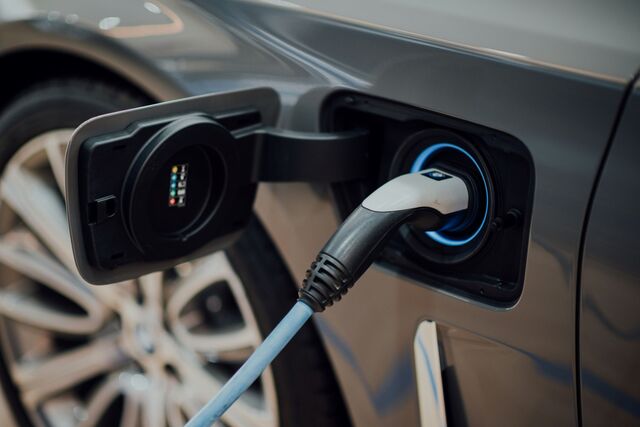
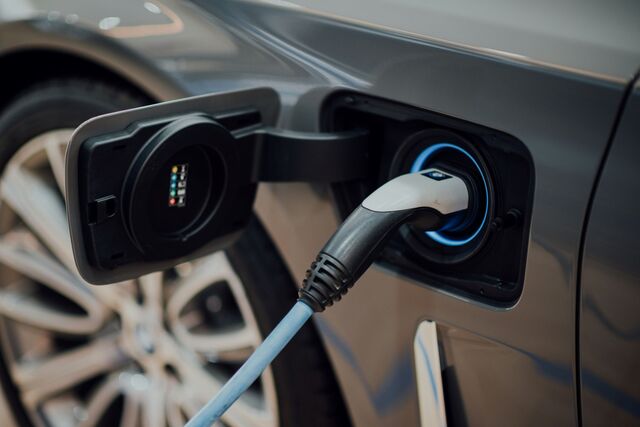
Photo: CHUTTERSNAP at Unsplash.