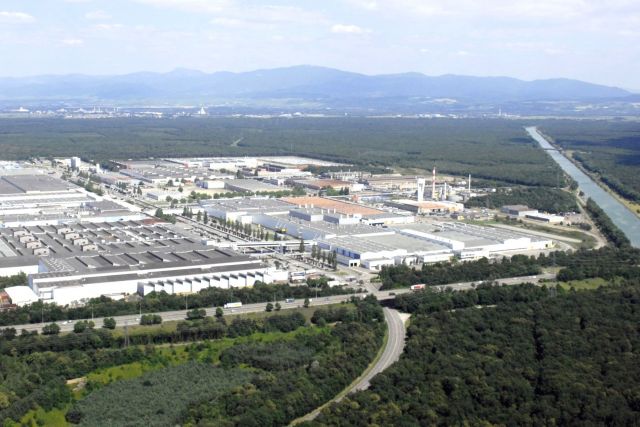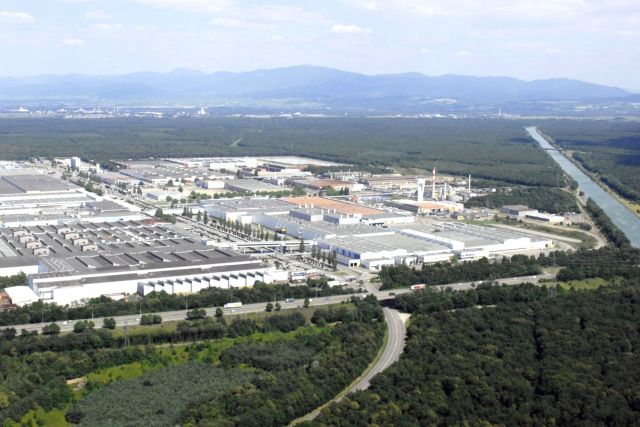
The proposal, announced publicly by President Emmanuel Macron, would give the Alsace site a central role in producing future battery-powered models at a time when European manufacturers are being forced to rethink how and where they build cars, reports Reuters.
For Mulhouse, the importance is practical as much as symbolic. Large car plants depend on long term production decisions to protect jobs, justify equipment upgrades and maintain confidence among suppliers.
A commitment on this scale would help secure the factory’s next chapter after a period of uncertainty over volumes and future model allocation. It would also strengthen the argument that France can still attract major automotive investment even as global competition intensifies.
The timing is notable. Stellantis has recently outlined an ambitious strategy aimed at reviving growth, cutting complexity and accelerating its electric rollout. That broader plan includes a large investment programme, a stream of new product launches and renewed pressure to improve efficiency across its manufacturing base. In that context,
Mulhouse is more than a local story. It is part of a much wider effort to ensure that established European plants remain relevant in a market being reshaped by new technology, tighter environmental rules and aggressive overseas competition.
If the investment proceeds as expected, the Mulhouse project will stand as an early measure of whether Europe’s traditional carmakers can modernise fast enough to defend both market share and industrial capacity. For France, it would offer evidence that the shift to electric vehicles can still support serious manufacturing at home rather than simply move it elsewhere.