This is according to the latest sales figures for July released by The Automotive Business Council | naamsa.
Based on total domestic new light vehicle sales of 51 508 units, NEVs achieved a market penetration rate of 6%, meaning that approximately one in every seventeen new vehicles sold in South Africa is now electrified.
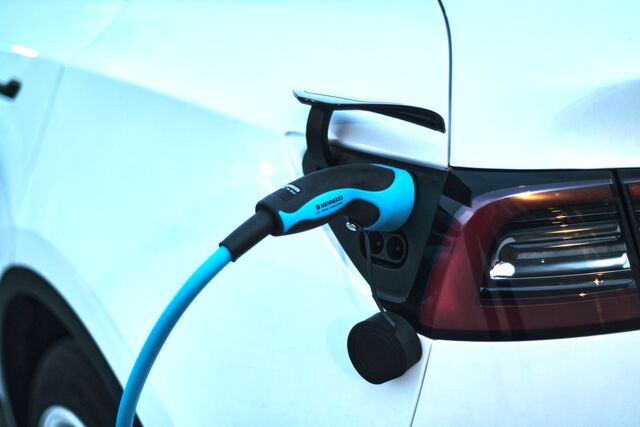
The market continues to be led by traditional Hybrid Electric Vehicles (HEVs), which accounted for 1 488 units, representing 48.9% of all NEV sales. Plug-in-hybrids (PHEVs) recorded 990 units, contributing 32.5% of the NEV market, while Battery Electric Vehicles (BEVs or also referred to as EVs) reached 419 units, accounting for 13.8% of total NEV sales.
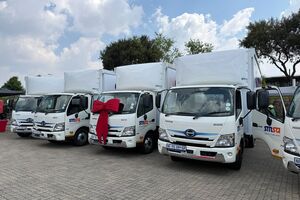
Electrified commercial vehicles, including light and medium commercial applications, continued to emerge as an important niche, highlighting the gradual diversification of electrified mobility beyond the passenger vehicle segment.
On a year-to-date basis, South Africa has recorded 13 193 NEV sales, comprising 6 667 HEVs, 4 623 PHEVs and 1 903 BEVs. The sustained growth across all three technology categories demonstrates that consumers are increasingly embracing electrified vehicles, supported by a broader range of product offerings and growing awareness of alternative propulsion technologies.
The current market composition also provides important insight into South Africa's electrification trajectory. Rather than a rapid transition to battery-electric vehicles, the domestic market is following a technology-diverse pathway, with hybrid technologies continuing to make the largest contribution to electrified vehicle uptake. This reflects prevailing market conditions, including affordability considerations, consumer driving patterns, charging infrastructure availability and technology choice, naamsa states.
The continued expansion of the NEV market reinforces naamsa's long-standing position that South Africa's automotive policy framework should remain technology neutral, enabling manufacturers and consumers to adopt the most appropriate low- and zero-emission vehicle technologies as the market evolves. Such an approach will support investment, consumer choice and industrial competitiveness while advancing South Africa's transition towards a lower-carbon and globally competitive automotive industry.