SMSA Africa Logistics Group adds five more Hino Hybrids to its fleet
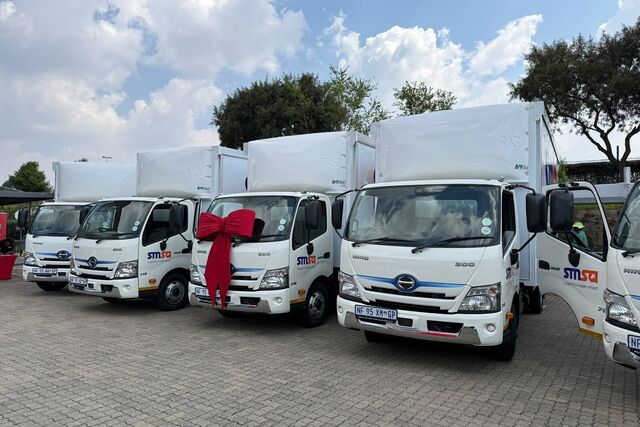
SMSA Africa Logistics Group has added five Hino 300 diesel electric hybrid trucks with van bodies to its fleet, following a two-year trial of three such trucks in its delivery operation.
Share with friends
Louis Ungerer, Managing Director of SMSA Africa Logistics Group, says they have yet to experience a breakdown on these vehicles and they seem to be as reliable as the Hino 300 models fitted with a conventional diesel engine."
"We have recorded fuel savings of 19% in urban deployment and also tested the Hino 300 Hybrid in outlying areas and found that when alternated with urban usage these trucks gave average savings of approximately 14%. Emission levels are far lower than those trucks with combustion engines because the Hino 300 Hybrid is Euro 6 compliant," Louis says.
SMSA Africa Logistics Group is a subsidiary of the SMSA Group, based in Saudi Arabia. Namlog, now part of the group, was founded in 2002 and gained Toyota as a customer a year later. The company distributes Toyota, Lexus and Hino parts and accessories from the Toyota Africa Parts Centre in Ekurhuleni to dealerships in Gauteng, the Eastern Cape, KwaZulu Natal, North West, the Northern Cape and Botswana. It operates 470 trucks and employs 870 people.
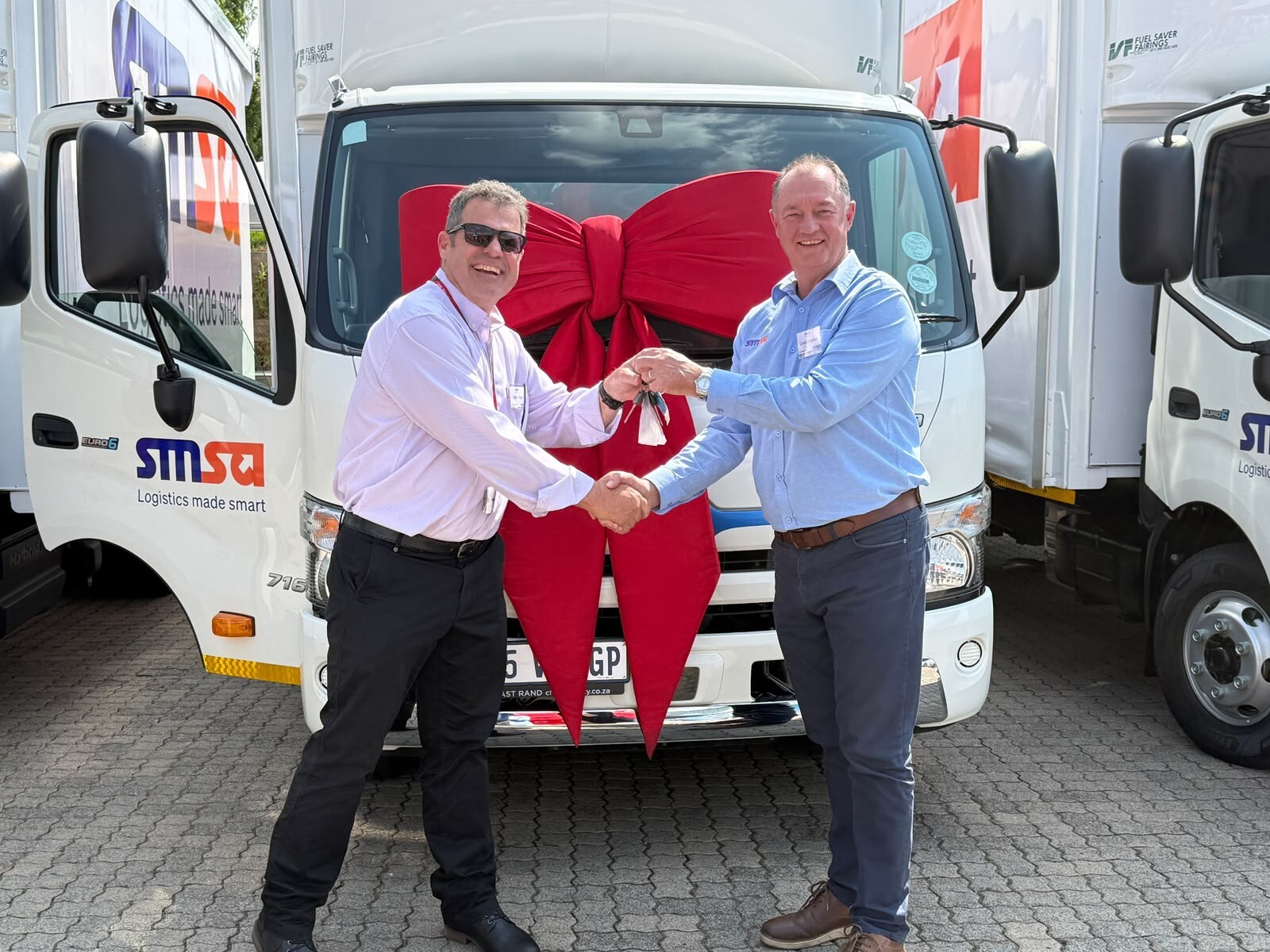
Anton Falck (Vice President of Hino South Africa), handing over five more Hino 300 diesel-electric Hybrid trucks to Louis Ungerer (Managing Director of SAMSA Africa Logistics Group).
KINTO is Toyota Motor Corporation's global mobility brand, and KINTO South Africa is wholly owned by Toyota SA Motors. Its lease offering includes service, maintenance, warranty, tracking and insurance for up to 60 months or 200 000km. KINTO South Africa has operated since 2022 and runs a fleet of more than 7 500 Toyota, Lexus and Hino vehicles across more than 300 business customers.
André Coppejans, General Manager: Sales and Marketing at KINTO South Africa, says they are excited now to take this first step in expanding the FML offering to Hino trucks with this pilot programme on the Hino 300 Hybrid.
Anton Falck, Vice President of Hino SA, adds that Hino South Africa is very pleased to be in a position to supply Hino 300 Hybrid trucks to SMSA as we are currently the only local truck manufacturer or importer offering a diesel electric model in the medium truck category.
Hino keeps a full-size diesel engine in the 300 Hybrid rather than downsizing capacity, as many hybrid passenger cars do. An electric motor sits between the clutch and gearbox and works in parallel with the 4-litre turbo diesel engine. Combined output is 111kW and 470Nm, with maximum torque available from 1 200 r/min. The truck uses a six-speed automated manual transmission that the driver can override manually.
Parts supply also forms part of the arrangement. Anand Pather, Vice President: Toyota Africa Parts Centre and Accessories, states that the recently enlarged facility now covers 80 000m2, making it the largest of its type in the Southern Hemisphere. "We stock 17 200 unique Hino part numbers to the value of R225 million."
He also explained the delivery schedule. "Dealers located within a 100km radius from the TAPC get two deliveries a day and other dealers get daily deliveries."
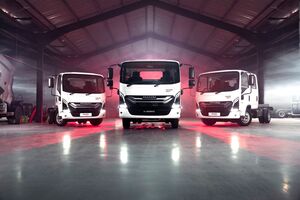
Imperial Motors Zambia, part of Motus Africa, has added UD Trucks to its dealership offering following an official launch in Lusaka on 1 October. The brand will be represented at three operational locations in Lusaka, Kitwe and Solwezi.
Isuzu Motors South Africa has introduced its all-new seventh-generation N-Series truck range, representing the most comprehensive update to the company's light and medium-duty commercial vehicle line-up in years.
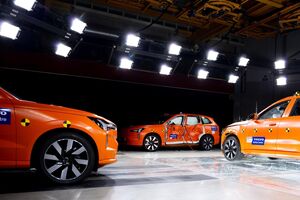
Euro NCAP has changed the way it tests cars. The 2026 protocols, the biggest revision in three years, restructure the assessment around four stages: safe driving, crash avoidance, crash protection and post-crash care.
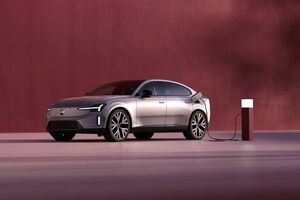
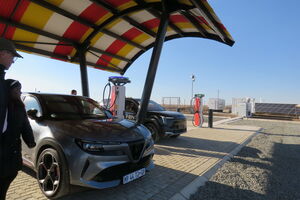
Charging time remains a worry for many South Africans considering an electric vehicle, who still see it as a disruption rather than a quick stop at a filling station. That view is starting to shift.
South Africa has taken important steps to position itself within the global electric vehicle (EV) industry, but industry stakeholders argue that further policy adjustments are needed if the country is to accelerate adoption and support long-term investment in clean transport infrastructure.