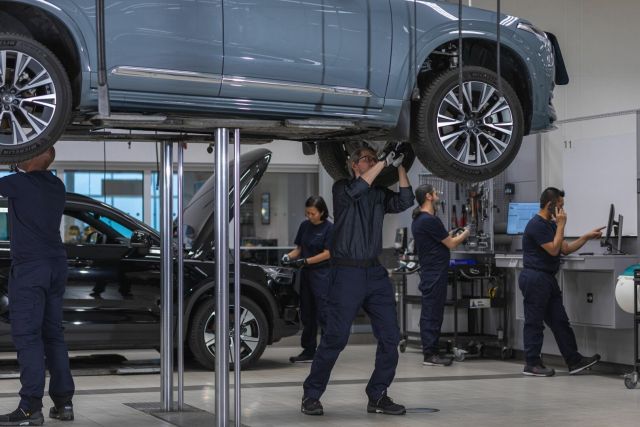
The initiative, led by merSETA under the mandate of the Quality Council for Trades and Occupations (QCTO) and developed in collaboration with the Retail Motor Industry Organisation (RMI) and other partners, is designed to set a formal standard for skills in the fast-growing field of electromobility. This marks a decisive step towards preparing technicians for the complexities of high-voltage systems and advanced diagnostics.
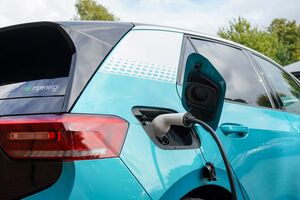
Although the EV uptake in South Africa remains modest, momentum is undeniable. In 2024, local buyers could choose from 90 models across 20 global brands, including Porsche, Audi, BMW, Mercedes-Benz, Toyota, Volvo, BYD, Chery and Great Wall Motors. This year, new entrants such as Changan, Deepal and TATA have introduced fully electric and hybrid options, reinforcing confidence in South Africa’s potential as a regional hub for new-energy vehicles.
“This qualification will become the benchmark for safe and competent EV servicing,” says Naphtaly Mokgotsane, Acting CEO of merSETA. “It is a vital investment in the skills needed for the future.”
Louis van Huyssteen, RMI National Training Director, highlights the risks of informal training:
“Working on electric vehicles without proper qualifications is dangerous. This programme ensures technicians have the knowledge and safety protocols required to protect themselves and their customers.”
For Brandon Cohen, National Chairman of the National Automobile Dealers’ Association (NADA), the benefits extend beyond safety:
“This initiative positions South Africa to meet global standards and opens new career paths for specialist skills. It complements existing trades and strengthens the industry’s resilience.”
The qualification will unify the automotive value chain, from OEMs and repairers to independent workshops, TVET colleges and accredited training providers, by replacing fragmented, non-accredited courses with a formal, industry-endorsed standard.
Aligned with the Department of Trade, Industry and Competition’s (DTIC) EV White Paper and the Department of Higher Education and Training’s (DHET) strategy to enhance Centres of Specialisation, this collaborative effort signals a shared commitment to sustainable growth and competitiveness.
“This is exactly the kind of partnership needed to secure South Africa’s place in the global automotive landscape,” concludes Mkhululi Mlota, Chief Director for Automotives at the DTIC.