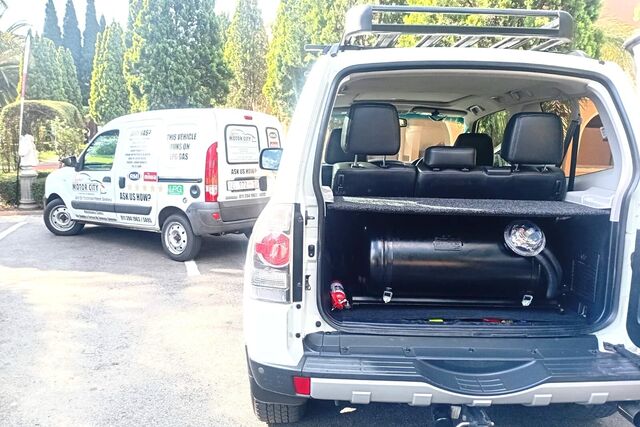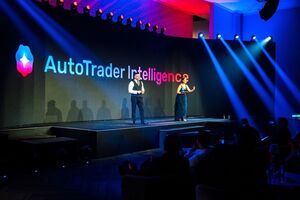
The event will be hosted by the Liquefied Petroleum Gas Safety Association of South Africa (LPGSA), in association with the Retail Motor Industry Organisation (RMI), on 3 July 2026 at the Indaba Hotel in Fourways. It is designed to give businesses, fleet operators, technicians and other industry stakeholders practical insight into the growing role of liquefied petroleum gas as an automotive fuel.
The workshop comes at a time when the local transport sector is facing rising fuel costs, pressure to reduce emissions and ongoing concerns around energy security. Against this backdrop, AutoGas is being positioned as a practical transitional fuel that can deliver immediate benefits while South Africa works towards longer-term decarbonisation goals.
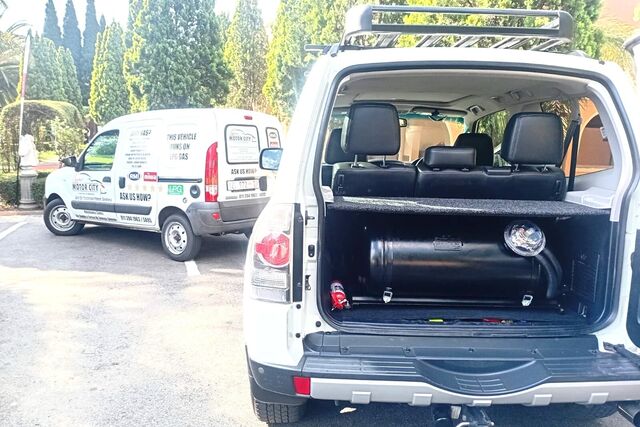
Although LPG is not a zero-emission solution, it offers lower emissions than conventional fuels and can help reduce harmful pollutants in urban environments. Its supporters argue that it is one of the most accessible cleaner mobility options currently available to motorists and fleet owners, particularly through the aftermarket sector.
Globally, AutoGas has already achieved significant scale. More than 28 million vehicles use the fuel worldwide, supported by over 82 000 refuelling stations. Countries including Turkey, South Korea, Poland and India have shown how LPG can form part of a broader cleaner transport strategy, while also helping drivers and fleet operators manage operating costs.
The South African workshop will focus on the policy, safety and regulatory issues that will influence the growth of the local AutoGas market. It will also include input from the World Liquid Gas Association, with international specialists from established AutoGas markets expected to share lessons on implementation, standards and best practice.
LPGSA Managing Director Gadibole Dihlabi said the event is intended to help build a responsible and professional AutoGas sector in South Africa. She noted that the country has an opportunity to develop a market that supports affordable mobility, cleaner transport and stronger energy resilience, but added that safety and compliance must remain central to that growth.
The RMI, through the Automotive Remanufacturers’ Association (ARA), has also been working to advance alternative energy solutions through its GreenDrive initiative. ARA National Director Attie Serfontein said AutoGas presents an immediate opportunity for workshops, technical professionals and fleet operators that are preparing for changes in vehicle technology and fuel use.
According to Serfontein, LPG can reduce fuel costs by up to 50% when compared with petrol and by around 30% when compared with diesel. He also pointed to environmental benefits, including carbon dioxide reductions of up to 21%, fine particulate matter reductions of up to 95% and significantly lower nitrogen oxide emissions.
For businesses operating vehicle fleets, those figures could offer a compelling combination of cost relief and environmental progress. For workshops and technicians, the growing interest in LPG also signals a need to develop new skills and service capabilities.
As South Africa looks for practical ways to make transport cleaner and more cost-effective, the workshop is expected to place AutoGas firmly on the agenda as a near-term solution with room for further growth.