As fuel prices continue to climb across South Africa, many motorists are beginning to question whether owning a car still makes financial sense. With in-land petrol prices now at R26.63 a litre and diesel costs rising sharply in May, transport expenses are placing growing pressure on household budgets.
Share with friends
Industry observers say the shift in consumer behaviour is already visible. Fuel purchases reportedly declined by 35% in April compared with the previous month, highlighting how drivers are reducing trips and looking for cheaper ways to travel.
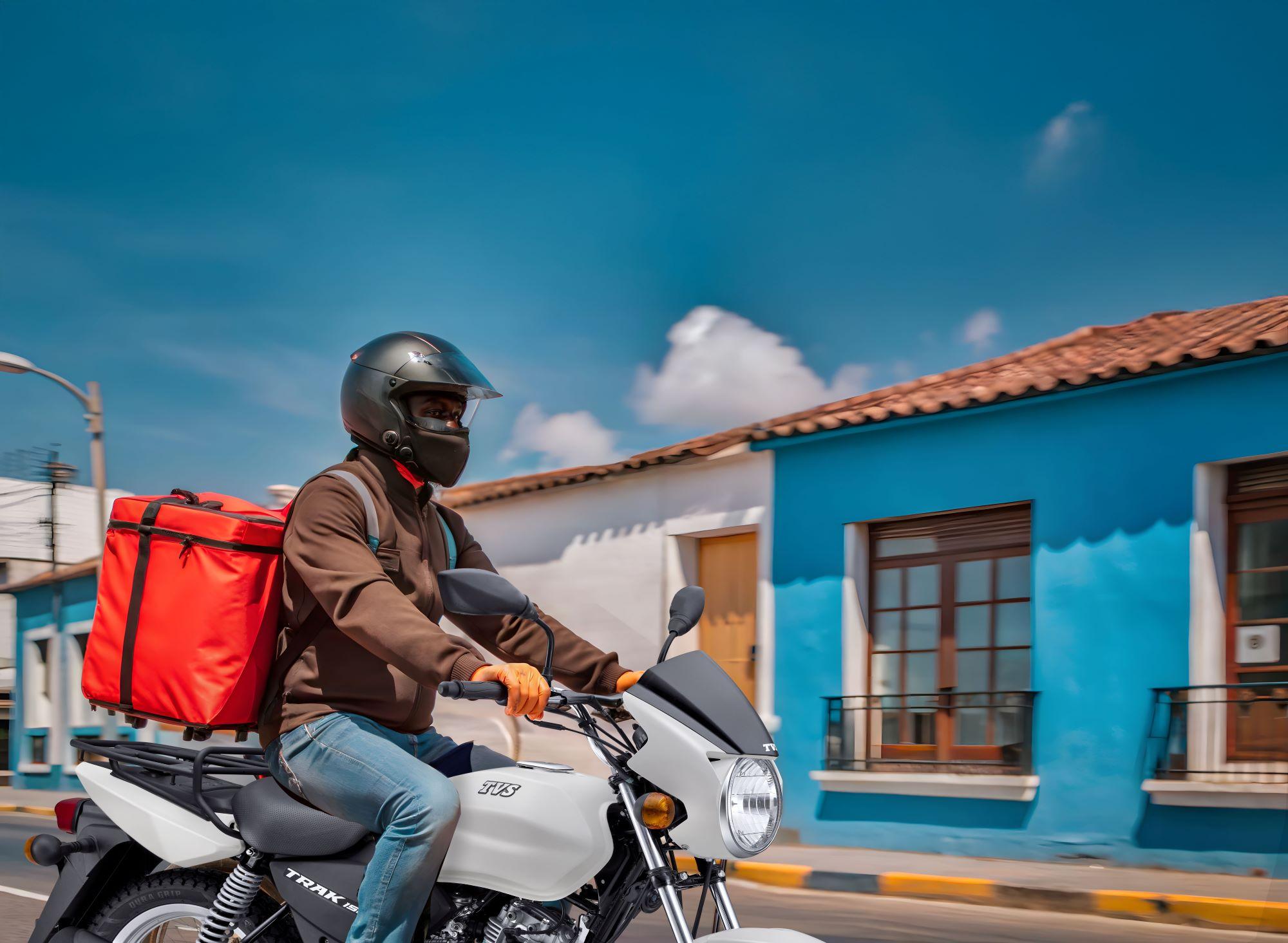
According to Robin van Rensburg, Managing Director of The Nexus Collective, commuter motorcycles are becoming an increasingly attractive solution for urban South Africans seeking meaningful savings.
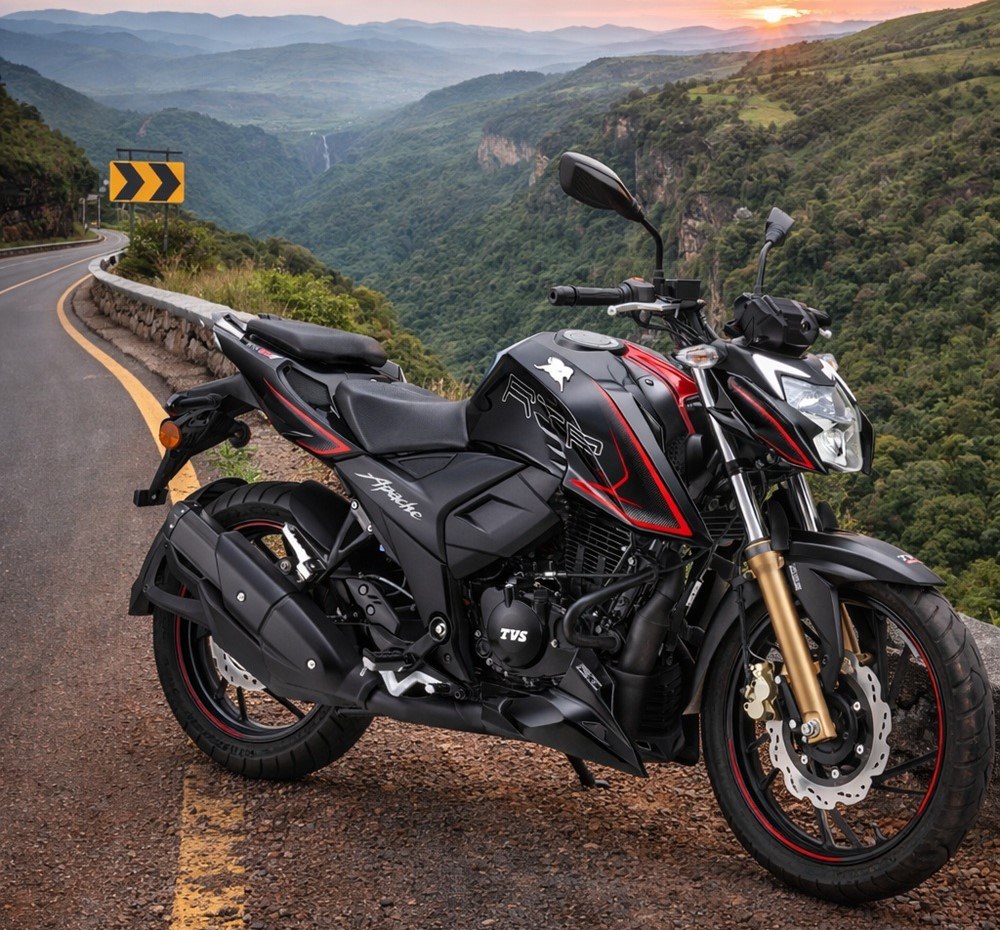
Among the models gaining attention is the TVS Apache RTR 200 4V, a lightweight commuter bike priced at R44 999. Designed for daily city travel, the motorcycle combines fuel efficiency with features typically associated with more premium bikes, including dual-channel ABS, riding modes and Bluetooth connectivity.
The biggest advantage, however, lies in long-term ownership costs.
A typical entry-level hatchback priced around R220 000 can cost motorists close to R9 500 a month once repayments, insurance, fuel, maintenance and licensing are factored in. Comparable estimates for the Apache place monthly ownership costs at around R3 000.
Fuel efficiency plays a major role in the savings. The Apache’s 197.75cc fuel-injected engine consumes roughly 2.6 litres per 100 km under normal riding conditions. For a commuter travelling 1 500km each month, fuel costs come to just over R1,000. An equivalent hatchback using 6.5litres per 100km would require approximately R2,600 in fuel over the same distance.
Insurance premiums also favour motorcycles. Comprehensive cover for a commuter bike typically costs a fraction of what drivers pay for an entry-level car, while servicing and tyre replacement expenses remain considerably lower.
Robin van Rensburg believes motorcycles are increasingly being viewed as practical transport solutions rather than niche lifestyle purchases. He notes that while bikes are not suitable for every commuter, particularly families or long-distance travellers, they offer substantial savings for people travelling alone on predictable daily routes.
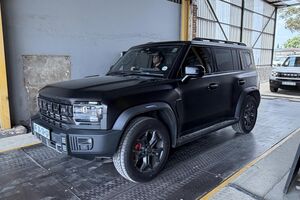
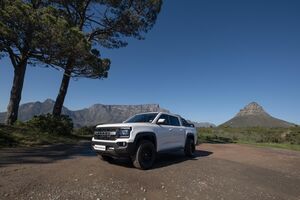
A dispute over the payload ratings of Jetour’s T1 and T2 SUVs has developed further following weighbridge testing in Gauteng, with the Automobile Association (AA) questioning some of the results and Jetour South Africa maintaining that its revised figures have been independently verified.
Chinese vehicle manufacturers continued to record significantly stronger growth than established OEM brands in South Africa during the second quarter of 2026, according to TransUnion's Q2 2026 Mobility Report.
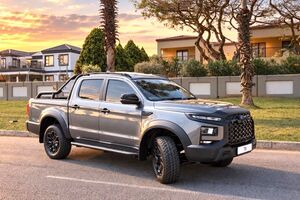
The JMC Grand Avenue is a new double-cab bakkie aimed at buyers who need a vehicle that can serve as family transport, a leisure companion and a capable workhorse. As JMC's flagship bakkie, it enters one of South Africa's most competitive vehicle segments with an emphasis on space, technology and practicality.
JAC Motors South Africa has introduced two new derivatives to its T9 bakkie range, the Hunter Black Edition and Super Lux Black Edition. These additions form part of the company’s Decade campaign, marking nearly ten years of operations in the country.