In its October 2026 market report, naamsa | The Automotive Business Council highlighted the effect of rising international oil prices, supply disruptions and domestic inflation on the operating environment for the automotive sector.
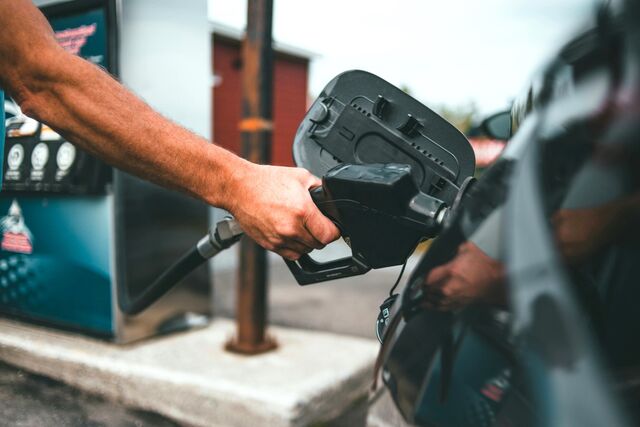
Inland 95-octane petrol reached R30.25 per litre from 7 October, crossing the R30 threshold for the first time. This represented a 12.4% increase compared with September.
The increase coincided with a rise in average Brent crude oil prices to US$101 per barrel during the October fuel-price review period. Prices subsequently rose above US$110 per barrel towards the end of the month.
Higher fuel prices affect household budgets as well as the operating costs of logistics companies, transport operators and corporate fleets.
The increases also came at a time when the domestic inflation rate was edging upwards. Headline consumer price inflation rose to 4.5% year on year in September, compared with 4.4% in August, although underlying core price pressures remained relatively contained.
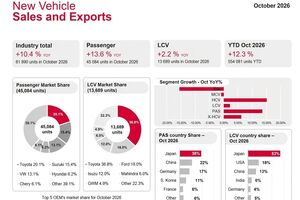
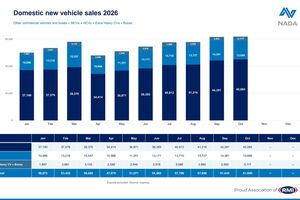
Despite these pressures, domestic new vehicle sales increased by 10.4% year on year in October to 61 890 units.
Temporary fuel levy relief:
Some relief was announced in the form of a temporary fuel levy package worth R10 billion, outlined in the Medium-Term Budget Policy Statement on 21 October.
According to naamsa, the intervention reduces the diesel levy by R3.00 per litre and the petrol levy by R1.50 per litre from 4 November.
However, the organisation cautioned that the relief would not fully reverse the preceding fuel-price increases.
Based on October price levels, petrol prices would remain approximately 39% above January 2026 levels, while wholesale diesel prices would remain between 57% and 61% higher.
The temporary reduction therefore provides some relief to motorists, households, logistics operators and corporate fleets, but leaves fuel costs substantially above the levels recorded at the beginning of the year.
For businesses that depend on road transport, diesel prices are particularly important because of their influence on the cost of moving goods and operating commercial vehicles.
Global economic conditions remain uncertain:
International economic conditions are also relevant to South Africa’s automotive manufacturing industry, which relies heavily on export markets.
During their late-October meetings, the United States Federal Reserve and the European Central Bank kept their policy interest rates unchanged as they weighed persistent energy-related inflation risks against fragile global economic growth.
Naamsa said these decisions offered some respite from further monetary tightening in key export destinations. However, high global energy costs and elevated borrowing expenses continued to constrain the recovery in external demand.
For South Africa, the performance of international markets is important because vehicles and automotive components are exported to 154 markets worldwide.
Naamsa reported that vehicle and component exports reached a record value of R291 billion in 2025, equivalent to 15.6% of the country's total exports.
Balancing domestic demand and export competitiveness:
The automotive industry is entering the final quarter of 2026 with domestic sales growing and new energy vehicle adoption expanding, but against a backdrop of persistent economic pressures.
Naamsa said sustaining market growth would depend on strengthening domestic purchasing power, maintaining a competitive and predictable policy environment, and addressing structural cost pressures affecting manufacturers and consumers.
The organisation also emphasised the importance of ensuring that the transition towards new energy technologies translates into increased local production, investment and employment.
For South Africa's automotive sector, the challenge is to maintain domestic market momentum while safeguarding its competitiveness in international markets.
Photo: Erik Mclean at Unsplash