Volkswagen charts a broader African strategy with the focus on Egypt
Volkswagen is accelerating its African ambitions, with Egypt emerging as the latest contender for a major manufacturing role.
Share with friends
A recent virtual meeting between Egypt’s Vice Prime Minister for Industrial Development, Kamel Al-Wazir, and Volkswagen Brand CEO Thomas Schäfer outlined a phased plan: starting with contract manufacturing at the Egyptian-German Automotive plant and evolving into a fully integrated hub in East Port Said. For Egypt, this means new investments and a chance to become a gateway to African and Middle Eastern markets.
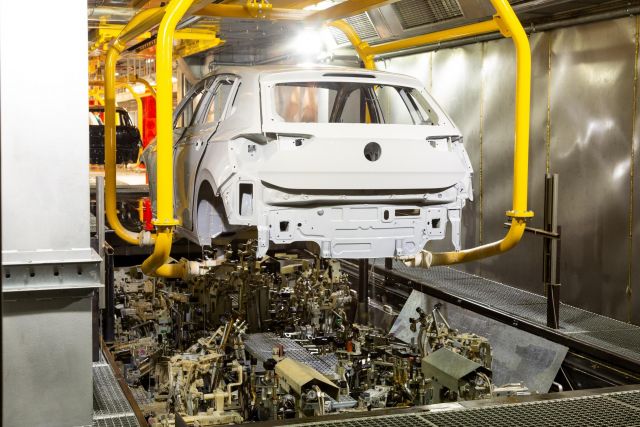
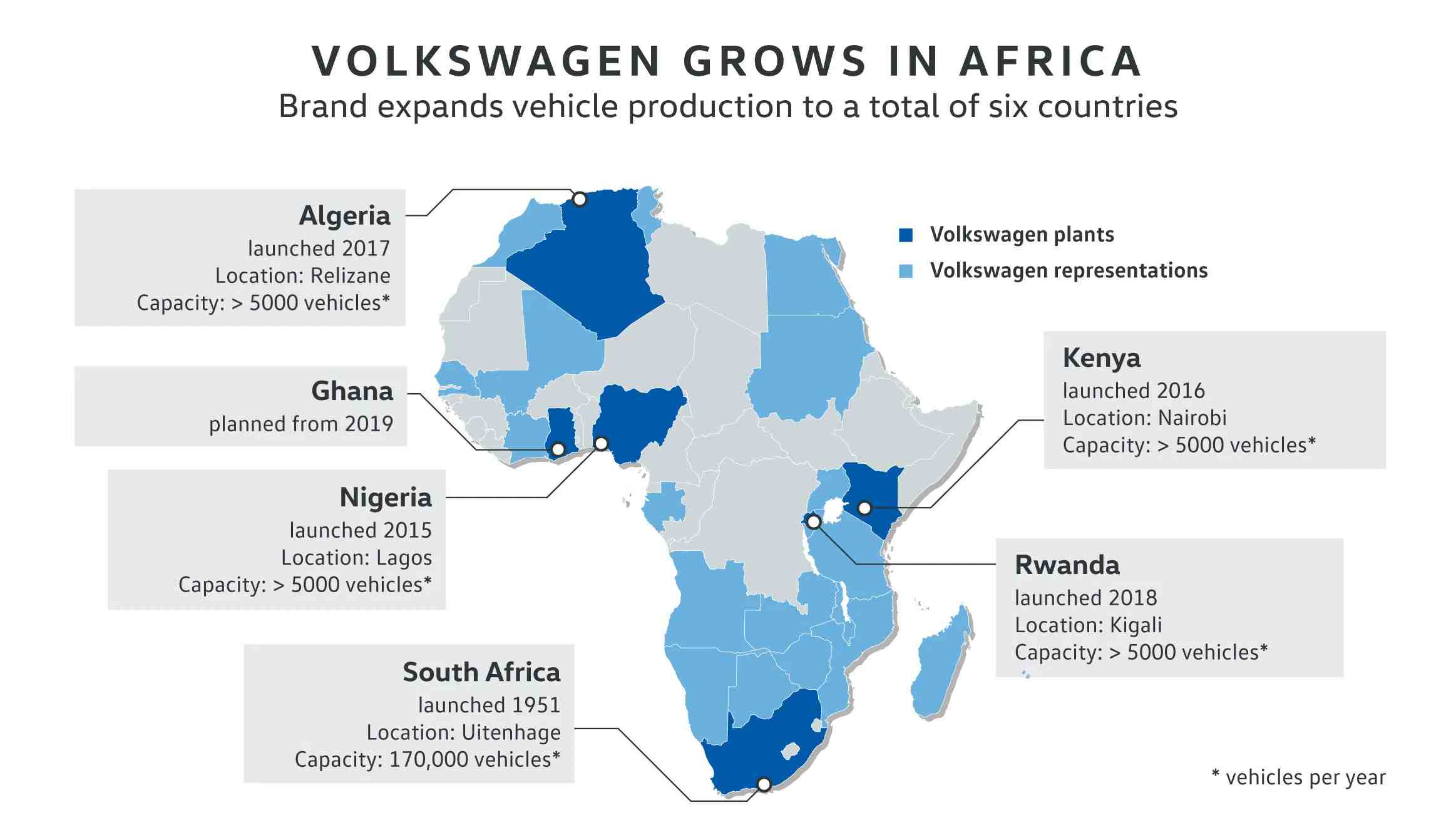
South Africa remains Volkswagen’s industrial anchor, with its Kariega plant, which has been operational since the 1940s, producing Polo models and preparing for a new addition before the decade’s end. Beyond this base, Volkswagen has built assembly operations in Kenya, Ghana and Rwanda, each reflecting different stages of market development.
Kenya’s Thika plant marked the brand’s return in 2016, Ghana joined in 2020 under its automotive policy, and Rwanda hosts a unique model combining assembly, mobility services and technical training.
Egypt’s pitch goes further than assembly. Plans include local component production, technical training and supplier integration into Volkswagen’s global value chain. A proposed R&D centre and EV maintenance training signal ambitions for technology transfer. With strong port infrastructure and incentives under the National Automotive Industry Development Programme, Egypt could become a northern anchor for African auto production.
Volkswagen’s African footprint also intersects with its electric vehicle vision. Rwanda pioneered this shift in 2019 with an e-Golf pilot and charging station, later expanding with policy support like tax exemptions and capped electricity tariffs. Yet EV adoption remains limited owing to low purchasing power, infrastructure gaps and thin supplier networks. Even in South Africa, EV production is at least a decade away, with combustion engines still dominant.
For East Africa, progress is incremental. Rwanda’s pilot offers lessons, but scaling requires deeper infrastructure investment and harmonised policies. Egypt, however, could change the equation. A fully integrated plant with localised supply chains and EV-related training could lay the groundwork for future electrification, even if full EV production is a long-term goal. If Egypt delivers stable policies and competitive costs, it could catalyse Volkswagen’s shift from isolated pilots to a continent-wide strategy.
For now, Volkswagen’s approach remains pragmatic, strengthening South Africa while nurturing emerging hubs in East and West Africa. Egypt’s entry adds momentum and signals a more ambitious, integrated and technologically advanced phase for the company’s African journey.
Charging time remains a worry for many South Africans considering an electric vehicle, who still see it as a disruption rather than a quick stop at a filling station. That view is starting to shift.
The winners of the 2026 Automotive Business Council | naamsa Accelerator Awards were announced at the recently held Auto Week 2026, which took place in eThekwini, KZN.
When Cobus Coetzee (photo) accepted the opportunity to join the Morgan Group in Upington, he had to weigh up more than a new position. The move meant exchanging the West Coast’s cooler climate and seaside lifestyle for the Northern Cape’s desert heat, while taking responsibility for a multi-franchise operation spread across several premises.
The winners of the 2026 Automotive Business Council | naamsa Accelerator Awards were announced at the recently held Auto Week 2026, which took place in eThekwini, KZN.
With the steep rise in fuel prices since March this year leading to historic record highs following massive increases in October, the government intervention annouched this week, is widely welcomed.
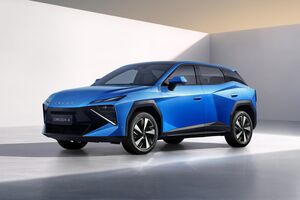
Omoda has confirmed that the new C4 will become the first model from the Chery Group to be built in South Africa, with production set to take place at the company's Rosslyn manufacturing facility in Gauteng.