When car screens become advertising space, owners notice
The row over BMW’s Spider-Man promotion is not really about superheroes. It is about trust, control and the creeping feeling that modern cars are becoming digital platforms first and private possessions second.
Share with friends
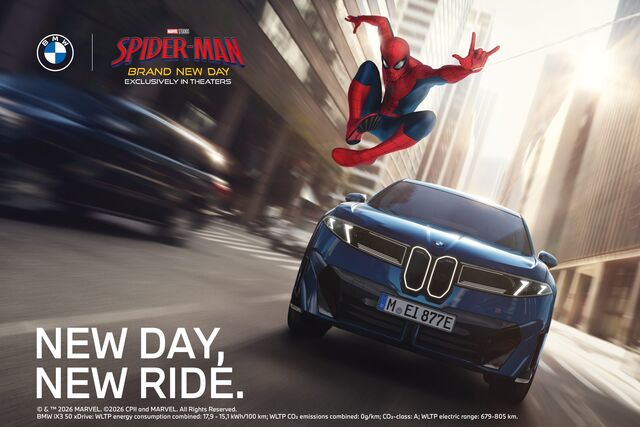
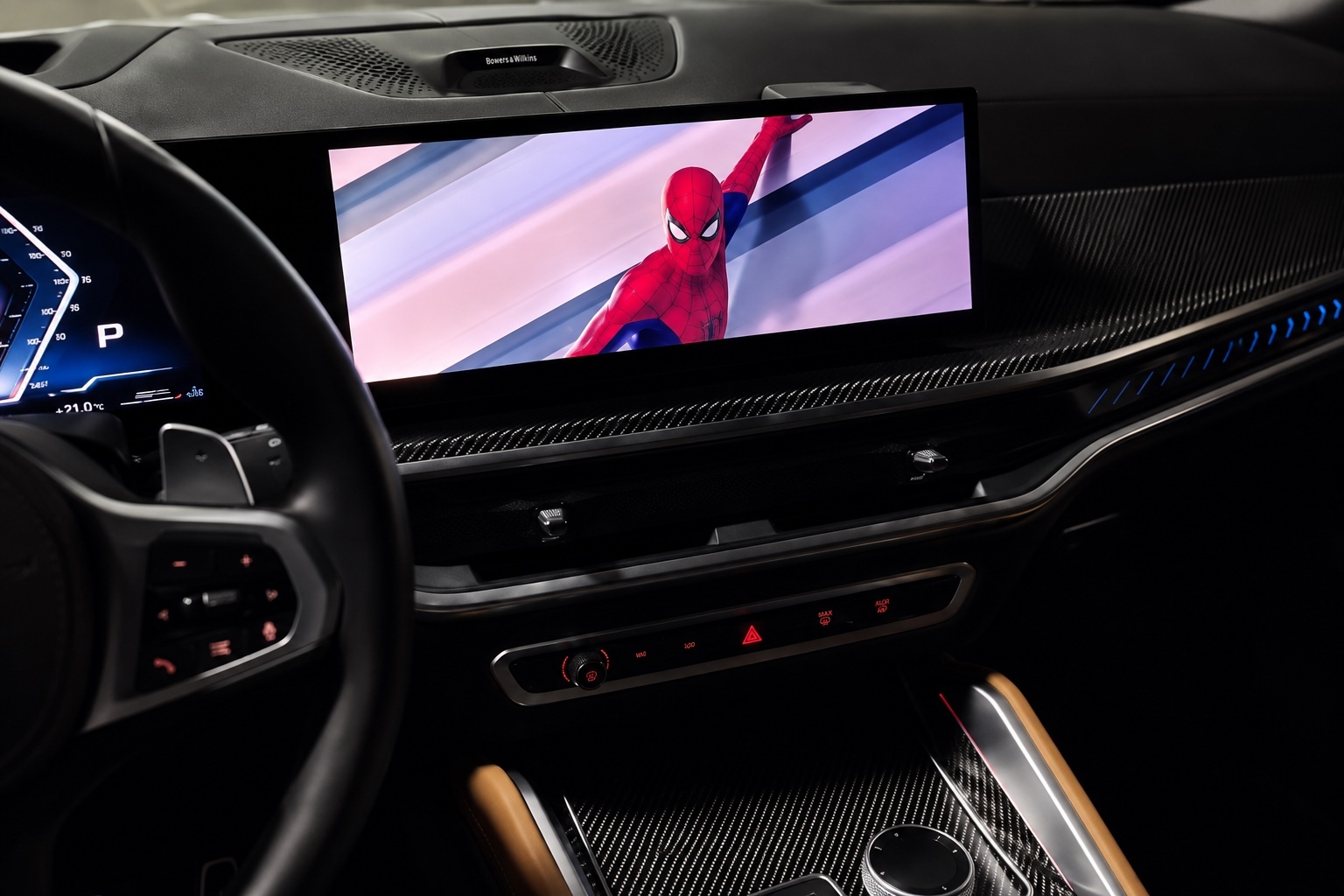
In late July, some BMW drivers discovered a promotional message for Spider-Man: Brand New Day on their infotainment screens. The campaign used BMW’s iDrive Festive App and appeared in compatible vehicles across more than 70 countries. It was linked to cars built after July 2020 running iDrive Operating Systems 7 to X, and was scheduled to run until 10 August 2026. Drivers could reportedly choose to open the full-screen animation, but the initial presence of the banner was enough to provoke criticism.
BMW may have seen the campaign as playful and temporary. From a marketing point of view, it fitted neatly with the company’s wider connection to the film, including vehicle appearances and promotional activity around the new iX3. Yet owners did not necessarily see it that way. To them, the issue was simpler: a message they had not requested appeared on a screen inside a car they had paid for.
That screen is important. In older cars, the dashboard was mainly mechanical and informational. In modern vehicles, it is the gateway to navigation, media, phone integration, charging, climate settings and vehicle functions. It is no longer a decorative add-on. It is the command centre. When a company uses that space for promotion, even briefly, it risks blurring the line between service and intrusion.
Similar as shared by various social platform users.
The timing also made the reaction sharper. BMW has already faced criticism for its approach to digital monetisation, most notably with heated-seat subscriptions in some markets. Although the company later stepped back from that idea, the episode left a lasting impression. Many customers became wary of a future in which hardware is installed in the car, but access is shaped by software, subscriptions or commercial strategy.
The Spider-Man promotion is different from charging extra for a built-in feature. It did not remove functionality, and it appears to have been limited in scope. Still, it raises the same broader question: who really controls the connected car after it leaves the showroom? The owner holds the key, pays the insurance and maintains the vehicle, but the manufacturer can still reach into the cabin through software.
That power can be useful. Over-the-air updates can fix faults, improve security and add features without a trip to the dealer. Drivers have good reason to welcome that side of connectivity. The difficulty comes when the same technology is used for marketing. A tool designed to improve the ownership experience can quickly feel like a channel for selling something else.
This matters especially in the premium market. Luxury buyers are not only paying for performance, design and technology. They are paying for a sense of calm, control and respect. A private cabin should feel insulated from the noise of the outside world, not converted into another screen competing for attention.
BMW’s Spider-Man stunt may fade quickly, but the lesson will remain. Connected cars need clear boundaries. If manufacturers want drivers to embrace software-defined vehicles, they must be careful not to treat every display as commercial real estate. The smartest brands will understand that the most valuable feature in a modern car may be the one owners barely notice: restraint.
Technical excellence took centre stage at Ford South Africa's annual Service Engineering & Operations Skills Contest, where Brendon Jordaan of Eastern Cape Motors in Gqeberha successfully defended his title as the country's top Ford technician.
Ford Motor Company of Southern Africa (Manufacturing) (Pty) Limited has a new voice for its vehicles. Geoff Lourens joined the company as Product Communications Manager, effective 1 October.
South Africa’s broken public transport network has become an engine of economic exclusion, forcing working-class households to spend up to 45% of their monthly income just to get to work.
Technical excellence took centre stage at Ford South Africa's annual Service Engineering & Operations Skills Contest, where Brendon Jordaan of Eastern Cape Motors in Gqeberha successfully defended his title as the country's top Ford technician.
Ford Motor Company of Southern Africa (Manufacturing) (Pty) Limited has a new voice for its vehicles. Geoff Lourens joined the company as Product Communications Manager, effective 1 October.
South Africa’s broken public transport network has become an engine of economic exclusion, forcing working-class households to spend up to 45% of their monthly income just to get to work.