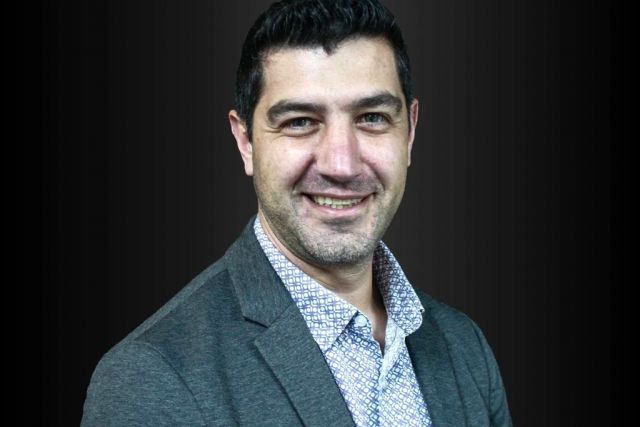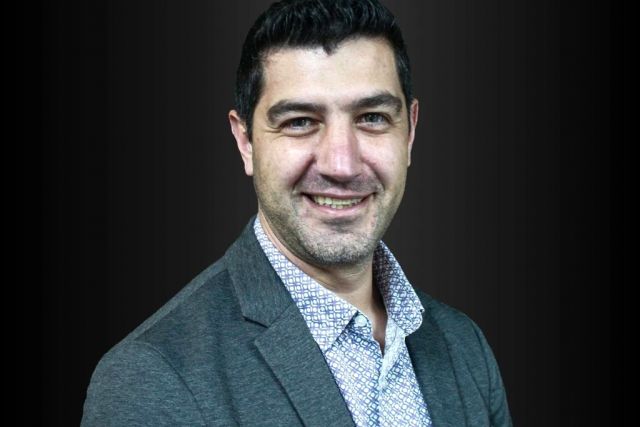
Speaking at the F&I Summit 2026, Motorvaps Executive Head of Sales and Distribution, Francisco Gaie says Value Added Products are becoming increasingly important in helping dealerships navigate a rapidly changing market.
The summit brought together dealership professionals, F&I Managers, Dealer Principals and industry partners to discuss the realities currently shaping the automotive retail environment.
Francisco moved away from corporate jargon during his presentation and focused on the practical role Value Added Products play inside modern dealerships.
“Margins are tighter, customers are more informed, affordability is under strain, and compliance requirements continue to grow. The question dealerships need to ask is how they remain profitable, trusted, and sustainable in this environment,” he explains.
While he acknowledged Value Added Products are not a complete solution on their own, Francisco described them as a critical part of the answer when positioned correctly and integrated properly into dealership operations.
A central theme of his presentation was the idea of the dealership ecosystem. Rather than departments operating independently, Francisco explained that sales, service, parts and F&I all influence each other directly.
“When one department struggles, the impact is felt throughout the business,” he says. “Value Added Products sit directly inside that ecosystem. They connect the point of sale to the long term ownership experience and create opportunities for customer retention, workshop activity, and future profitability.”
Drawing on his own dealership experience managing high volume operations, Francisco says parts departments quickly recognise the value of products such as warranties, service plans and maintenance plans. “They understand something fundamental: Value Added Products directly influence future workshop activity and parts consumption. That is ecosystem thinking.”
Francisco also challenged the traditional way dealerships position these products during the sales process. Too often, products are introduced at the very end of a transaction when customers are mentally exhausted and simply want to conclude the deal.
“The customer is not rejecting the product,” Francisco explains. “They are rejecting the timing.”
Instead, he encouraged dealerships to introduce conversations around ownership risks earlier in the customer journey. According to him, this changes the discussion from selling add-ons to helping customers understand ownership protection.
Another major talking point was the evolving role of the F&I manager. Francisco described the role as far more than an administrative function, saying it now operates at the intersection of finance, emotion and customer trust.
“A strong F&I manager does not simply present products. They translate risk into understanding and convert technical product information into personal relevance for the customer.”
“Customers themselves do not think in terms of product categories such as warranties or tyre cover. Instead, they focus on affordability, uncertainty and avoiding unexpected financial pressure. A warranty is not just a policy document,” he says.
He adds that dealerships relying purely on vehicle margins are increasingly vulnerable to changing market conditions and affordability pressures.
“Value Added Products help stabilise dealership income by creating retention pathways,” Francisco notes. “Customers with warranties, service or maintenance plans are more likely to return to the dealership, and returning customers are far more valuable over time.”
He concludes by saying dealerships that succeed in future will be those that focus on long term customer relationships rather than simple transactions.