Renault R-Space Lab rethinks the family car for life beyond transport
Renault’s R-Space Lab is not intended to preview a specific future model, yet it offers one of the clearest statements of where the brand believes the modern car is heading.
Share with friends
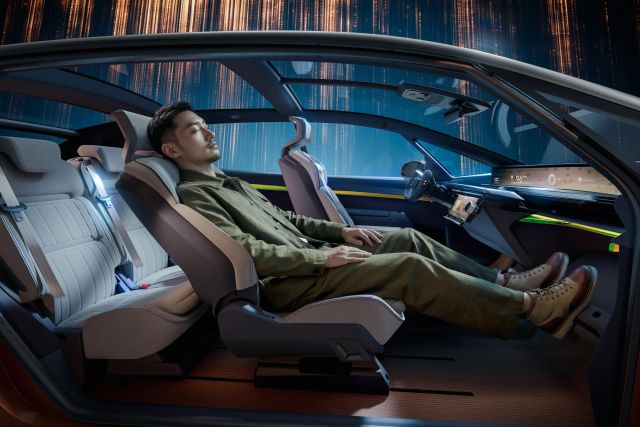
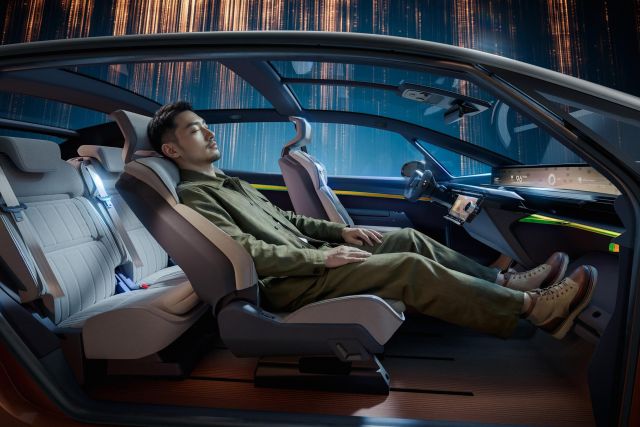
Conceived by Renault Group’s Futurama innovation laboratory, the concept explores the long‑standing idea of voitures à vivre, vehicles designed as adaptable living spaces rather than simple tools for getting from place to place.
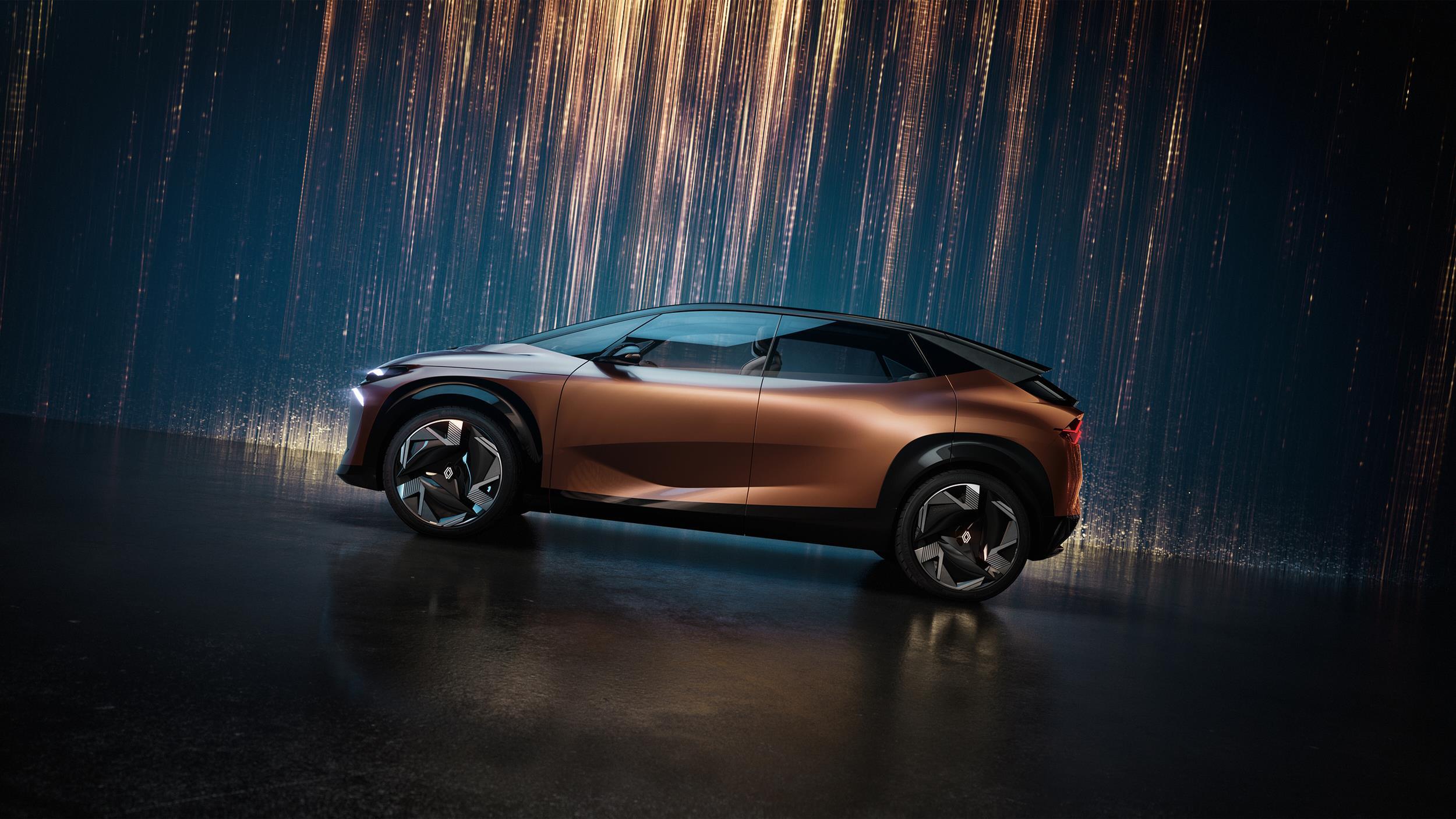
The exterior sets the tone. A clean one-box silhouette prioritises space and visibility over sporty proportions, with a body measuring roughly 4.5 metres in length and just 1.5 metres in height. Slim pillars, frameless doors and a windscreen that blends into a fully glazed roof create an unusually airy atmosphere and blur the boundary between cabin and surroundings. It is a deliberate move to make the interior feel calm, open and larger than expected.
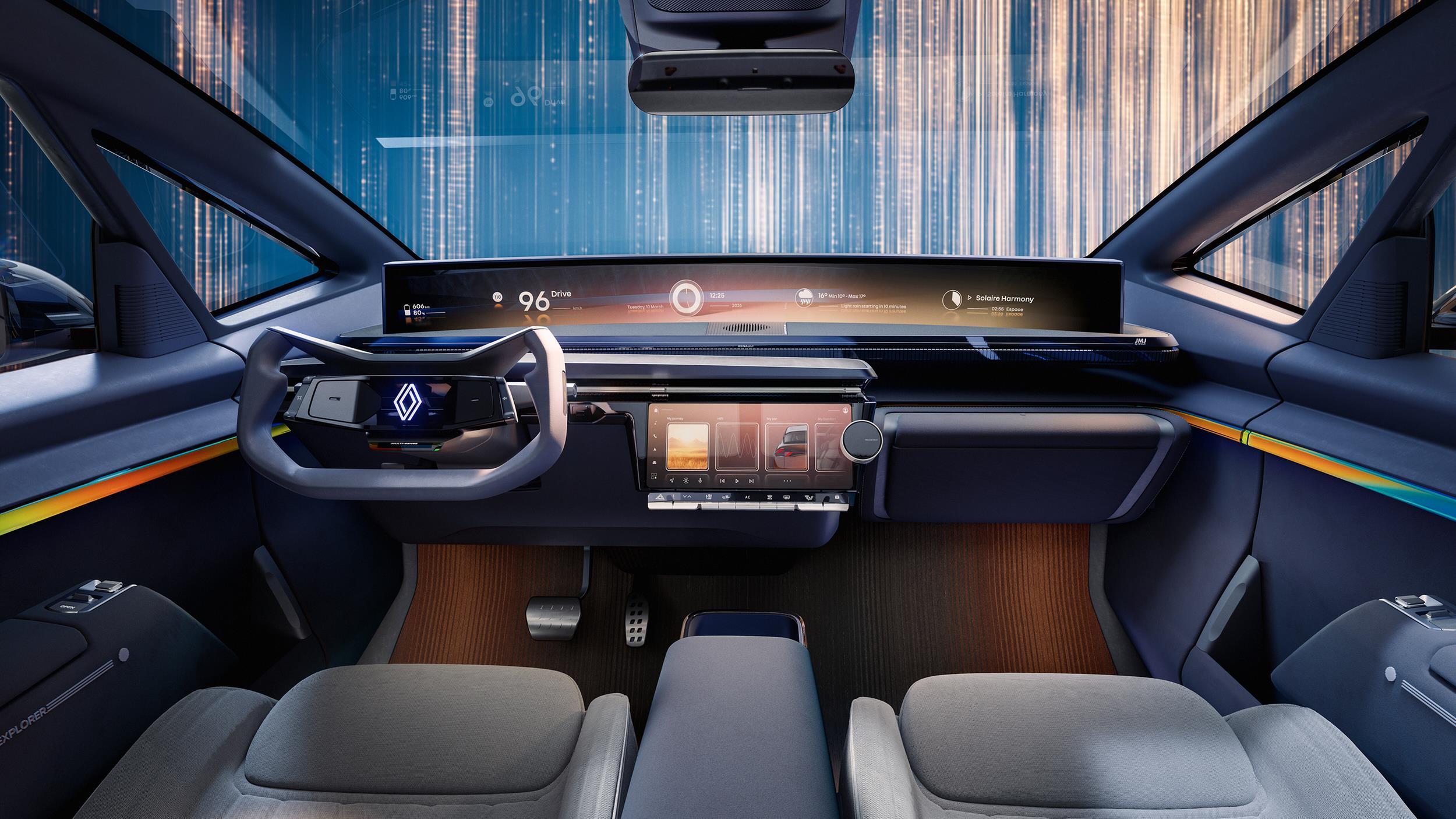
Inside, the focus is on reconfigurability and intuitive digital design. A curved openR panorama screen runs across the full width of the dashboard, bringing together driving information, assistance systems and media in one continuous display. Most functions are controlled via a central touchscreen laid out to feel as familiar as a smartphone, while steer-by-wire technology allows for a compact steering wheel that frees up space and improves forward visibility.
Clever packaging underpins the living space concept. Airbags are built into the seats rather than the dashboard, allowing for a multifunction glovebox that can double as a leg rest. The front passenger seat slides back to engage with rear occupants, and three identical rear seats can recline, fold or flip up to accommodate everything from bikes to pets.
Human-centred safety also plays a key role. Technologies under evaluation include a tactile alcohol detector and in-car artificial intelligence acting as a Safety Coach. Together, they hint at a future where Renault cars behave less like machines and more like supportive partners in daily life.
South Africa’s fast evolving automotive industry faces an urgent challenge in ensuring technical aftersales skills keep pace with increasingly advanced vehicle technology.
South Africa’s electric vehicle (EV) market is at a pivotal moment. Progress has been made in manufacturing, registrations, and charging infrastructure, but the pace and scale of adoption will depend on decisive policy choices and coordinated industry action.
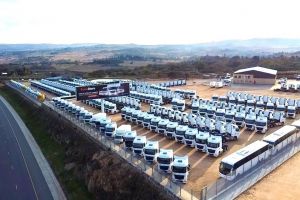
TruckStore, the used-vehicle division of Daimler Truck Southern Africa, has opened a new facility on the West Rand, strengthening its presence in one of Gauteng’s busiest used-truck corridors.
South Africa’s fast evolving automotive industry faces an urgent challenge in ensuring technical aftersales skills keep pace with increasingly advanced vehicle technology.
Isuzu Motors South Africa has begun distributing the latest D-Max from its Gqeberha plant to dealerships across the country, with further shipments planned for more than 30 African markets.
Stellantis is accelerating its push into software defined vehicles through an expanded partnership with Qualcomm Technologies that will bring more advanced driver assistance, connectivity and in car digital systems to its next generation vehicles.