Vehicles are getting smarter and more complex every year
South Africa’s fast evolving automotive industry faces an urgent challenge in ensuring technical aftersales skills keep pace with increasingly advanced vehicle technology.
Share with friends
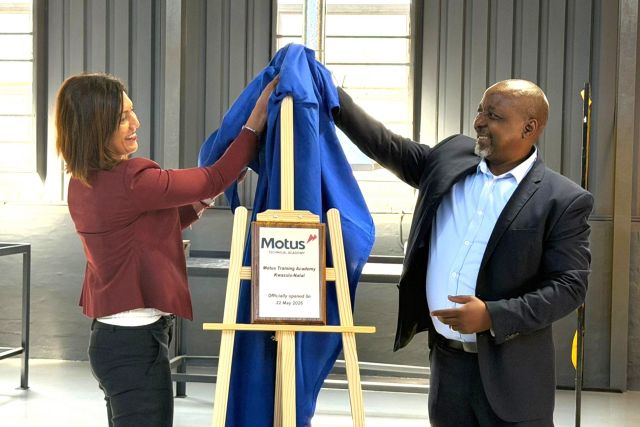
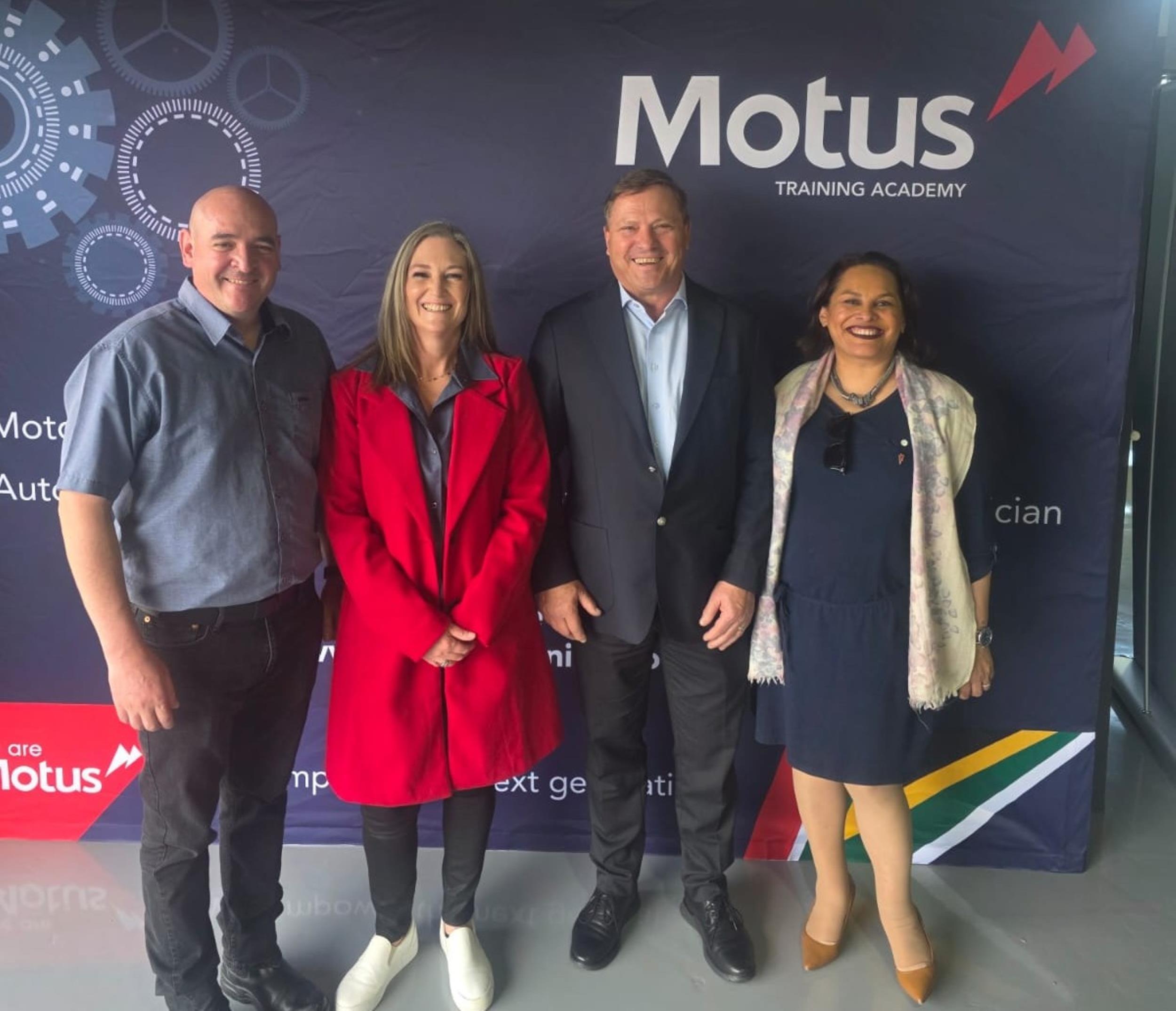
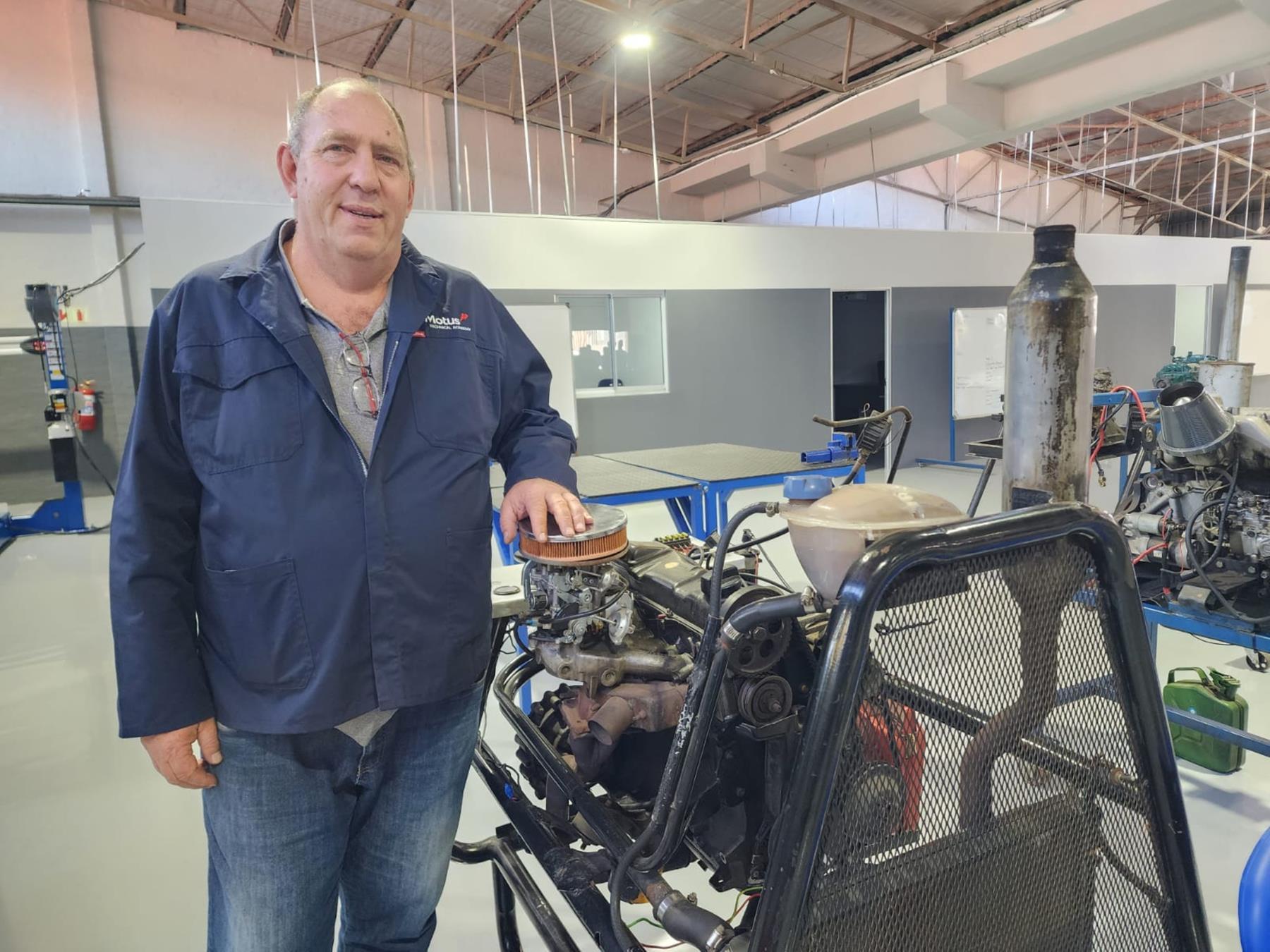
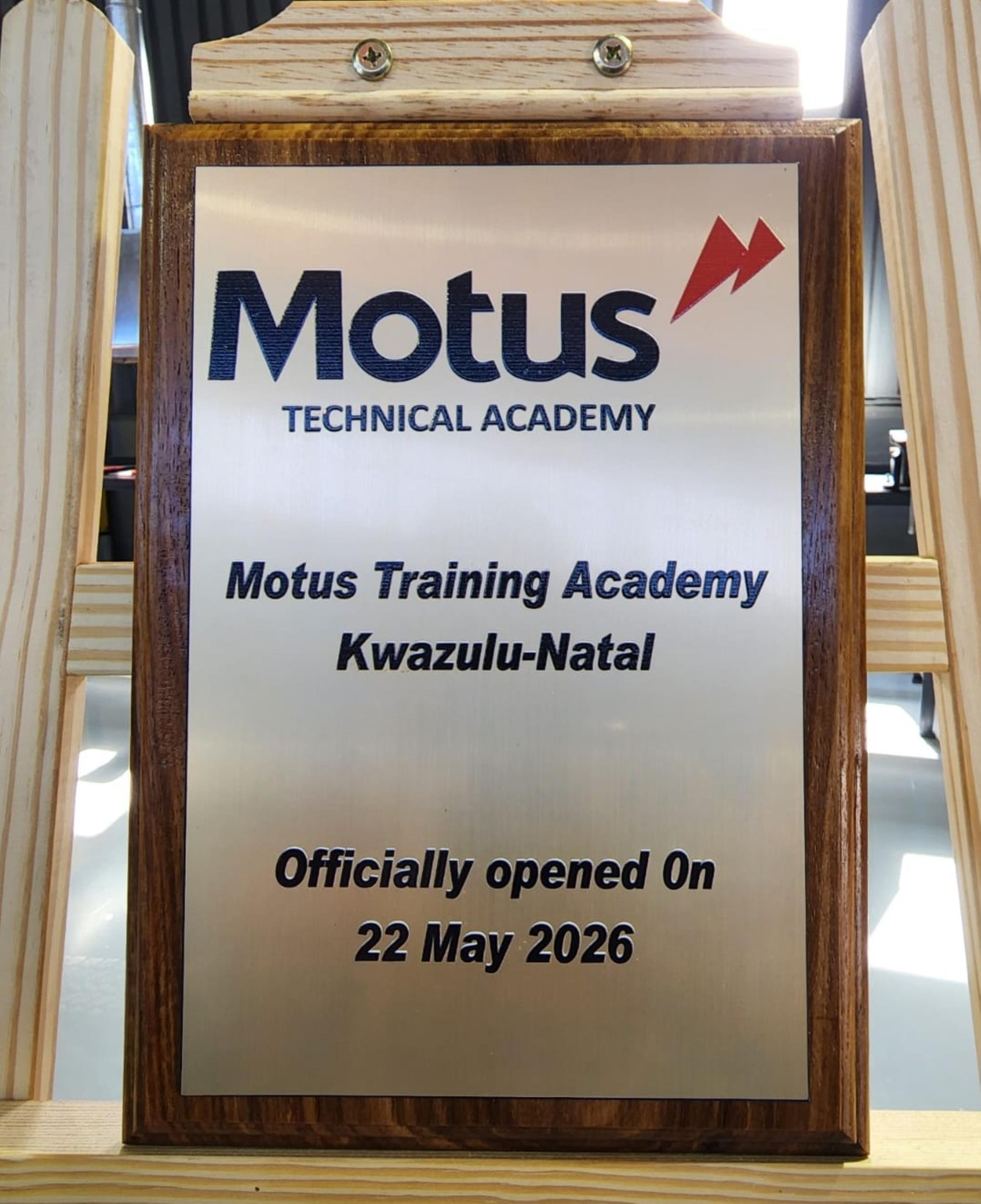
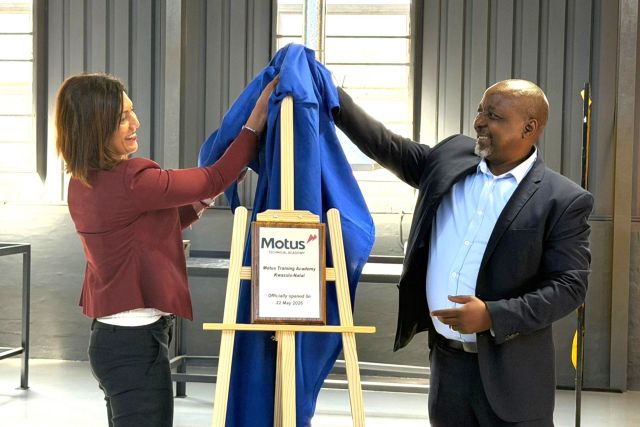
That was the message from Hyundai Automotive South Africa CEO, Stanley Anderson at the launch of the new Motus Training Academy in Pinetown, KwaZulu-Natal. The academy will train around 2 000+ students annually in mechatronics, electric energy vehicle, diagnostics and advanced servicing technologies.
“As the automotive industry evolves at an accelerated pace, the need for highly skilled technicians and artisans has never been greater,” he says. “Academies like this play a critical role in preparing young people for sustainable careers while ensuring the industry remains globally competitive.”
“Modern vehicles are becoming more technologically advanced every year, particularly with the growth of electric mobility, digital diagnostics, connected systems and advanced servicing technologies. The industry must ensure that aftersales skills evolve at the same speed as the innovation entering our market.”
Hyundai Automotive South Africa has significantly expanded its own youth and technical development initiatives in recent years. The company currently supports 338 apprentices across its 97 national dealer network, with women making up nearly a quarter of the programme.
Earlier this month, Hyundai also revealed that its youth employment programme attracted more than 33 000 applications nationally, highlighting demand for workplace opportunities in the automotive sector.
“The future of automotive retail and manufacturing will depend heavily on technical capability and continuous skills development,” Stanley says.
South Africa’s automotive sector contributes more than 5,2% to Gross Domestic Product (GDP). It provides formal employment to around 500 000 people across the broader supply chain, including more than 115 000 highly skilled jobs in direct vehicle and component manufacturing. Meanwhile, Government, through the National Development Plan aims to produce 30 000 artisans annually by 2030.
Charging time remains a worry for many South Africans considering an electric vehicle, who still see it as a disruption rather than a quick stop at a filling station. That view is starting to shift.
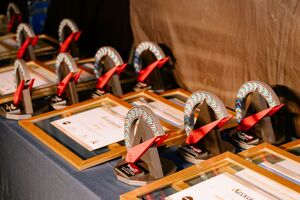
The winners of the 2026 Automotive Business Council | naamsa Accelerator Awards were announced at the recently held Auto Week 2026, which took place in eThekwini, KZN.
When Cobus Coetzee (photo) accepted the opportunity to join the Morgan Group in Upington, he had to weigh up more than a new position. The move meant exchanging the West Coast’s cooler climate and seaside lifestyle for the Northern Cape’s desert heat, while taking responsibility for a multi-franchise operation spread across several premises.
The winners of the 2026 Automotive Business Council | naamsa Accelerator Awards were announced at the recently held Auto Week 2026, which took place in eThekwini, KZN.
With the steep rise in fuel prices since March this year leading to historic record highs following massive increases in October, the government intervention annouched this week, is widely welcomed.
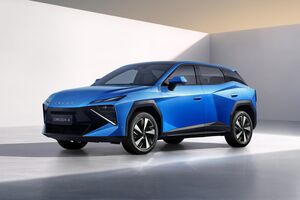
Omoda has confirmed that the new C4 will become the first model from the Chery Group to be built in South Africa, with production set to take place at the company's Rosslyn manufacturing facility in Gauteng.