

TVS powers South Africa’s growing delivery economy
South Africa’s rapidly expanding delivery sector is driving strong demand for affordable, dependable motorcycles that can withstand the demands of daily commercial use.
- Product News
- 20 November 2026
The South African Reserve Bank’s decision to lower interest rates by 25 basis points – bringing rates to their lowest level in more than two years – has been cautiously welcomed by the retail motor sector.

“This rate cut is a positive move at a time when South African consumers are under immense financial pressure,” says Brandon Cohen, Chairperson of the National Automobile Dealers' Association (NADA).
“While it’s not a dramatic kick-start to the economy, it does serve as a much-needed nudge in the right direction.”
NADA believes the reduction in interest rates, although modest, could offer some short-term relief for stretched households – particularly with the fuel levy and other cost increases looming in June.
“Even small savings on monthly bond repayments, credit cards and vehicle finance do add up,” Cohen notes. “They can make a meaningful difference for consumers who are having to make every rand count.”

The automotive industry, which has experienced subdued demand amid a flat economy, may also benefit from the easing of monetary policy.
“Historically, it takes several months before we see the effects of a rate movement reflected in vehicle sales,” Brandon explains. “A rate cut helps to build consumer confidence and creates slightly more room for discretionary spending.”
However, he cautions that interest-rate relief alone won’t be enough to drive a strong recovery.
“Sustained economic strain and high unemployment remain significant barriers to growth in the automotive sector,” he says. “Had the rates held steady, the pressure on already cautious consumers would have been reinforced.”
“Any positive shift is welcome – but the road to recovery will require more than just lower interest rates.”

South Africa’s rapidly expanding delivery sector is driving strong demand for affordable, dependable motorcycles that can withstand the demands of daily commercial use.
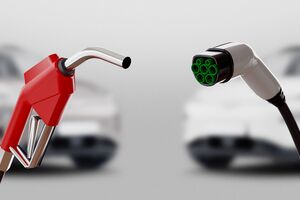
One of the main results of the 2026 Global EV Driver Survey, released by the Global EV Alliance (GEVA) this week, show that South African battery electric vehicle (EV) drivers are among the most satisfied in the world.
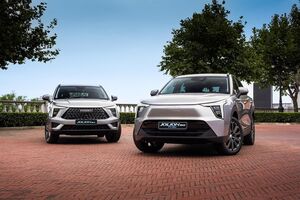
GWM South Africa has broadened its popular Jolion range with the introduction of the all-new Haval Jolion Max. Designed with modern families in mind, the newcomer combines increased interior space, new technology and a wider choice of powertrains, including petrol, hybrid and plug-in hybrid options.
 Advertisement
 Advertisement
I have bad reflexes. I was once run over by a car being pushed by two guys
Woody Allen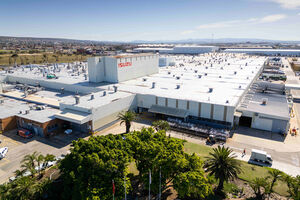
Isuzu Motors South Africa (IMSAf) has achieved a 38% reduction in Scope 1 and Scope 2 CO₂ emissions compared with its 2013 baseline while increasing vehicle production by 21% during the 2025/26 financial year at its Gqeberha manufacturing facility.

Diversifying oil supplies, investing in pipelines and rail infrastructure, improving port operations and expanding inland storage facilities are among the measures needed to reduce South Africa's vulnerability to international fuel supply disruptions.
Combined Motor Holdings (CMH) has appointed Charles Webber as the new Group CEO.