F&I training needs a rethink, dealerships are catching on
The F&I office has always been a key part of the dealership experience, but recently, it has become one of the most pressured and misunderstood roles on the floor.
Share with friends
Between customer expectations, compliance requirements and the need to deliver margin, many F&I managers are expected to perform without the right support.
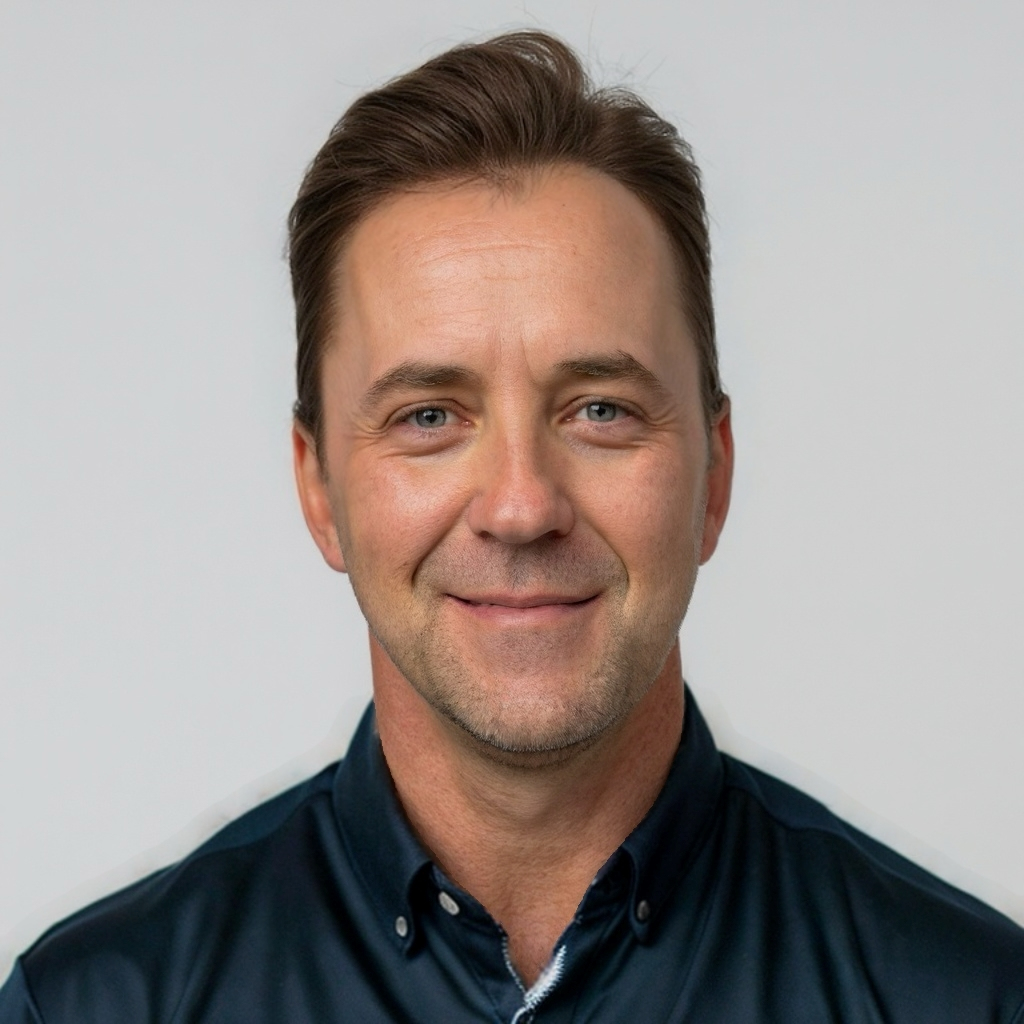
Greig Hains, Director of Octane High Performance Training, believes it's time for a new approach. He says the way we train F&I professionals hasn't evolved fast enough to match the demands of the modern dealership.
“Too often, training is treated like a one-day workshop or a product briefing, but real skill doesn’t come from ticking a box. It comes from ongoing development, coaching and building confidence in real situations,” he says.
Greig Hains.
A shift that’s already happening:
According to Hains, the dealerships with the best results are those that are rethinking their approach to training. Rather than focusing on technical information alone, they’re building practical skills that can be applied directly on the floor.
“It's no longer just about understanding a product. F&I professionals need to know how to explain it clearly, when to position it in the deal and how to adapt to what the customer actually needs,” he explains.
This change has been especially important in dealerships where the sales process is becoming more digital or where clients are more informed before they even arrive. The role of the F&I professional is now about building trust and protecting second gross without putting pressure on the client.
Training the whole team:
Another common mistake, Hains says, is training F&I in isolation. Sales teams, team leaders and even administrators play a role in shaping the client’s journey.
“Some of the best-performing dealerships we work with train their entire team on the basics of finance, service plans and value-added products. When everyone understands how these products work, there’s alignment across the dealership,” he says.
Real training for real dealerships:
At Octane, training is delivered in short, focused modules that can be applied immediately. It begins with foundational knowledge and builds into deeper product and sales strategies, with options for leadership development as well.
“It has to work in the real world. F&I managers are often juggling clients, paperwork and targets all at once. Training needs to be easy for them to access, relevant to their day, and respectful of their time,” he states.
Octane's programme also supports dealerships with compliance alignment, helping teams understand what’s expected under the National Credit Act, the FAIS framework and upcoming changes through the Conduct of Financial Institutions (COFI) Bill.
Looking forward:
As dealerships face tighter margins and growing customer expectations, the F&I office remains one of the most important contributors to profitability and client experience.
“When dealerships invest in the right training culture, we see better performance, higher product penetration and stronger customer relationships,” says Hains.
“If your training hasn’t changed in years, but the market has, there’s a good chance your team is feeling the pressure. It might be time to take a closer look at how you’re supporting them.”
About Octane High Performance training:
Octane High Performance Training is a modular training programme designed specifically for the motor industry. It helps dealerships build confident, capable F&I teams through real-world learning, practical skill-building and a deep understanding of compliance and customer engagement.
Charging time remains a worry for many South Africans considering an electric vehicle, who still see it as a disruption rather than a quick stop at a filling station. That view is starting to shift.
The winners of the 2026 Automotive Business Council | naamsa Accelerator Awards were announced at the recently held Auto Week 2026, which took place in eThekwini, KZN.
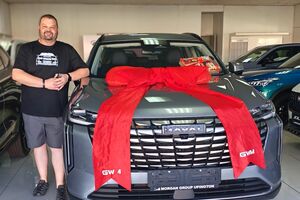
When Cobus Coetzee (photo) accepted the opportunity to join the Morgan Group in Upington, he had to weigh up more than a new position. The move meant exchanging the West Coast’s cooler climate and seaside lifestyle for the Northern Cape’s desert heat, while taking responsibility for a multi-franchise operation spread across several premises.
The winners of the 2026 Automotive Business Council | naamsa Accelerator Awards were announced at the recently held Auto Week 2026, which took place in eThekwini, KZN.
With the steep rise in fuel prices since March this year leading to historic record highs following massive increases in October, the government intervention annouched this week, is widely welcomed.
Omoda has confirmed that the new C4 will become the first model from the Chery Group to be built in South Africa, with production set to take place at the company's Rosslyn manufacturing facility in Gauteng.