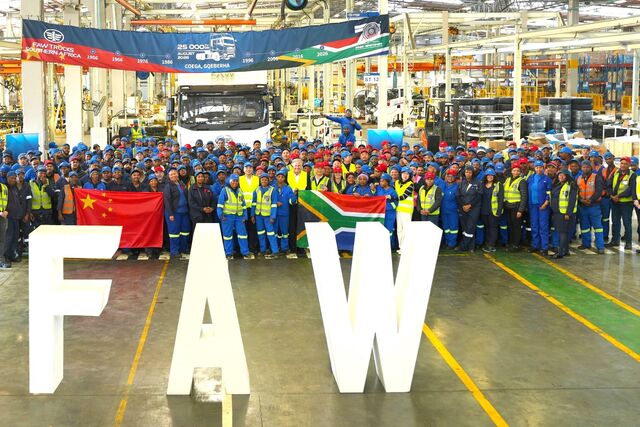
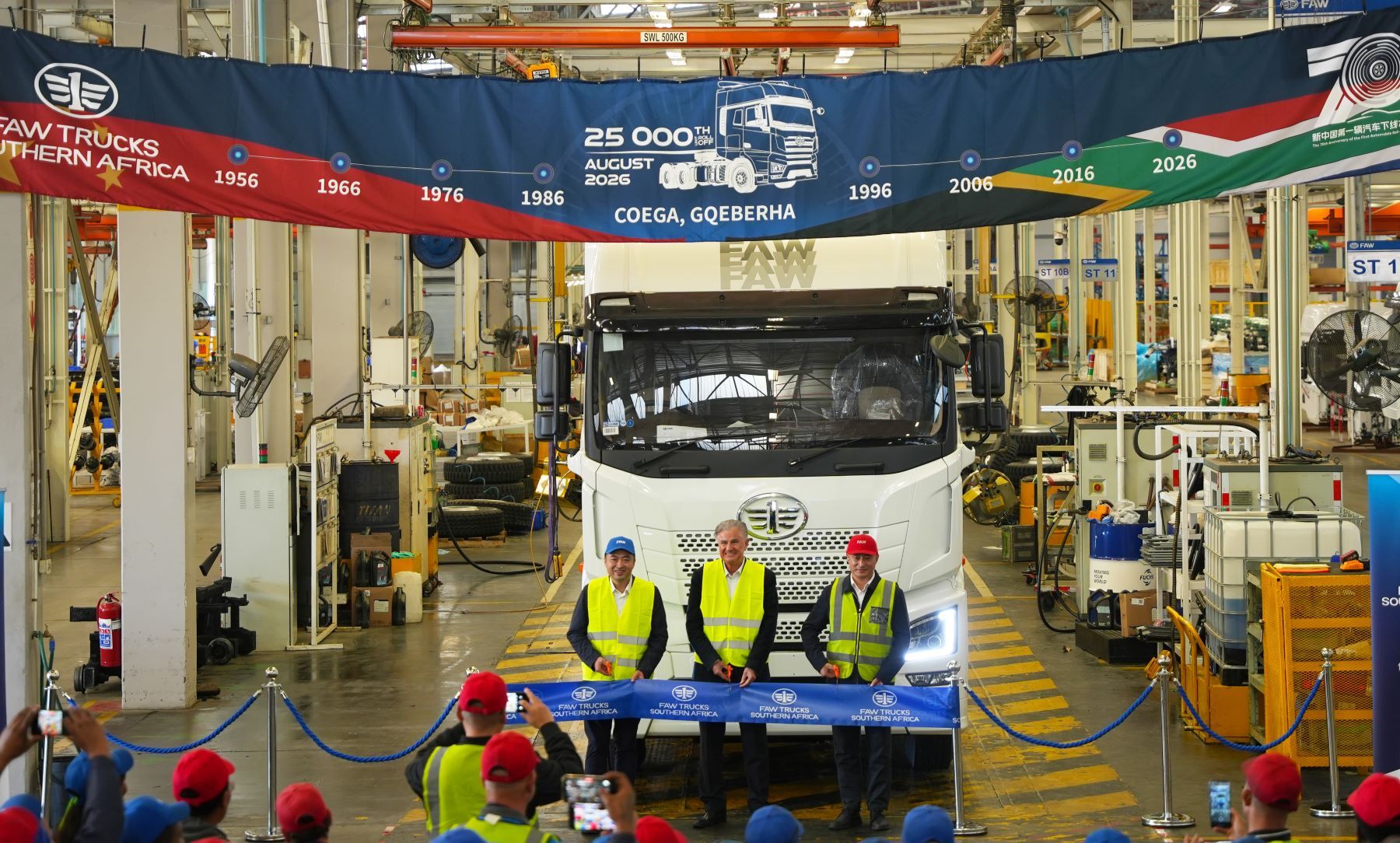
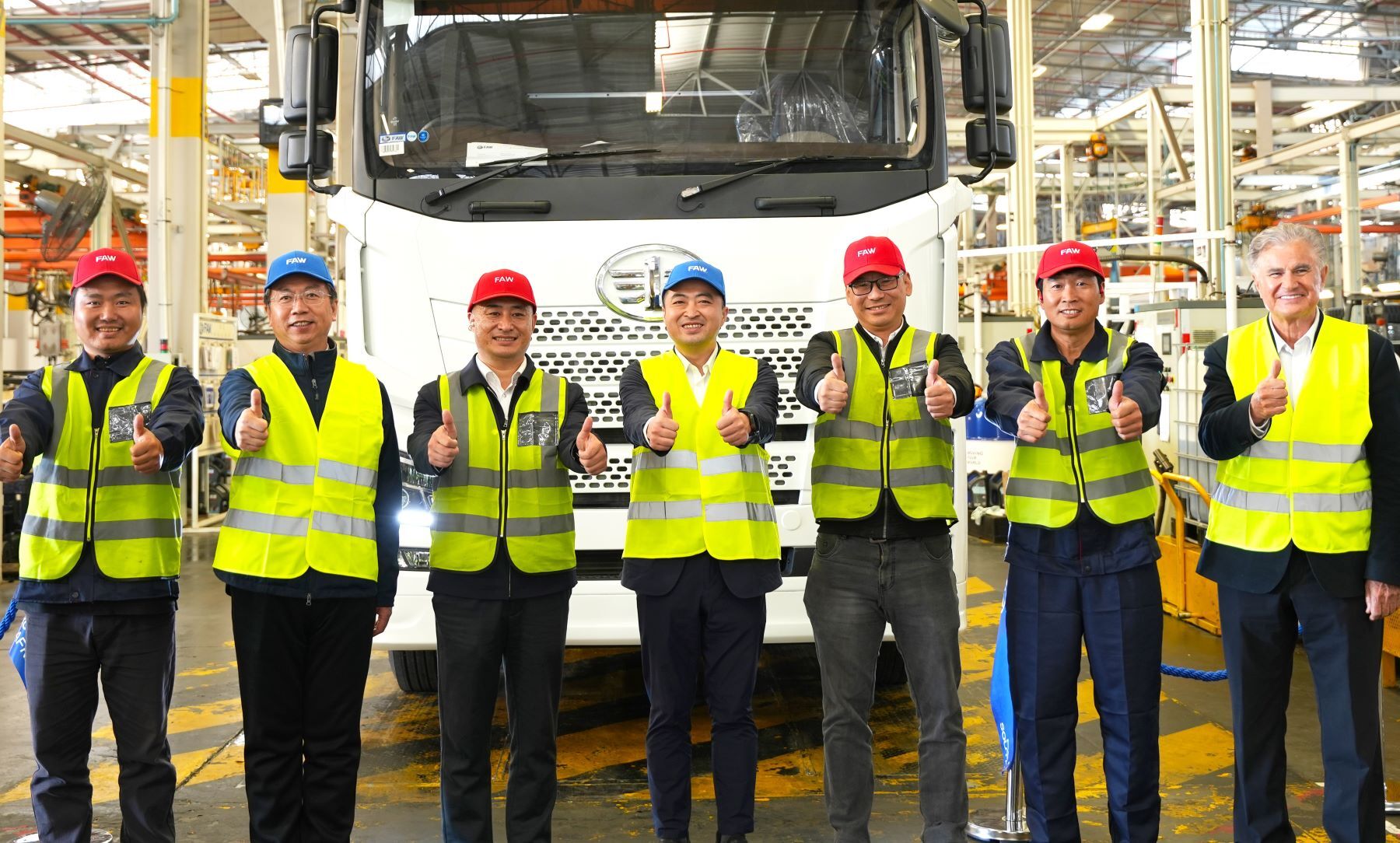
Eastern Cape plant marks its 25 000th locally manufactured vehicle
The year 1994 is remembered for political change in South Africa, but it also marked the start of a new chapter in commercial vehicle manufacturing. In July 2014, the first FAW 15.180FL freight carrier produced locally rolled off the assembly line in the Coega Special Economic Zone.
Share with friends
Twelve years later, in August 2026, the 25 000th unit left the extended plant in Nelson Mandela Bay. The journey between those two milestones reflects steady growth in local capability, China‑Africa investment and the adaptation of products to Southern African long‑haul conditions.
For FAW Trucks Southern Africa, the 25 000th Coega‑built unit is more than a production figure. It represents three decades of product development, twelve years of local assembly, and a dealer and aftersales network that has expanded alongside a customer base ranging from early adopters to major fleet operators.
Growth trajectory:
The plant’s output has accelerated markedly in recent years. By 2014, 1 000 units had been produced. Two years later, the figure reached 2 000, and by July 2019 it stood at 5 000. The pace quickened: 10 000 units were achieved in November 2023, 15 000 in April 2024, 20 000 in July 2025, and 25 000 in June 2026. The last 5 000 units were manufactured in under a year, reflecting growing market confidence.
Fleet operators in South Africa purchase vehicles based on total cost of ownership rather than price alone. Fuel efficiency, parts availability, uptime, support coverage and residual value are decisive factors. FAW has focused on these aspects, refining its models to meet the demands of long‑haul freight. This has resulted in increased demand and stronger market acceptance, the manufacturer claims.
Heavy‑duty range:
The heavy end of the range has been central to this growth. The JH6 28.500FT established FAW as a contender in the extra‑heavy segment. Operators of the JH6 500FT and 550FT have reported positive results in durability, cost competitiveness, support and fuel efficiency.
In March 2026, FAW introduced the J7 28.550FT, a 12.52‑litre, 407 kW truck tractor with a ZF 12‑speed automated manual transmission, 1 200 litres of fuel capacity and warranty cover of up to 36 months or 600 000 km. The 25 000th unit therefore coincides with the start of a new product cycle.
Local investment:
The Coega facility opened in 2014 at a cost of R600 million, funded by the China FAW Group Corporation and the China‑Africa Development Fund. It remains one of the largest Chinese industrial investments in South Africa. The 30 000 m² plant includes a body shop, paint shop and training centre, and has trained about 2 500 people to date.
In November 2024, FAW committed a further R200 million to expand production lines, enlarge storage, digitise processes and upgrade training facilities, with the aim of raising annual capacity from 5 000 units to 8 000 by 2028.
The plant contributes to local employment, skills development and supplier networks in Nelson Mandela Bay, while also serving export markets across SADC and the Indian Ocean islands. The dealer network now extends from Lusaka to Maputo and further afield.
Meaning of the milestone:
For customers, 25 000 units provide a track record of durability and quality. For dealers, it ensures dependable local supply and shorter lead times. For employees in Gqeberha, it represents skilled work in the manufacturing sector. For South Africa, it is an example of sustained industrial growth, according to FAW. For FAW globally, it confirms the South African operation as a strategic hub, contributing to the company’s wider milestone of 70 000 trucks produced worldwide.
Charging time remains a worry for many South Africans considering an electric vehicle, who still see it as a disruption rather than a quick stop at a filling station. That view is starting to shift.
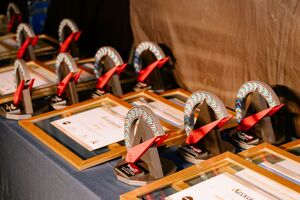
The winners of the 2026 Automotive Business Council | naamsa Accelerator Awards were announced at the recently held Auto Week 2026, which took place in eThekwini, KZN.
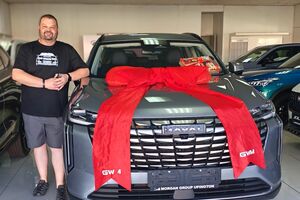
When Cobus Coetzee (photo) accepted the opportunity to join the Morgan Group in Upington, he had to weigh up more than a new position. The move meant exchanging the West Coast’s cooler climate and seaside lifestyle for the Northern Cape’s desert heat, while taking responsibility for a multi-franchise operation spread across several premises.
The winners of the 2026 Automotive Business Council | naamsa Accelerator Awards were announced at the recently held Auto Week 2026, which took place in eThekwini, KZN.
With the steep rise in fuel prices since March this year leading to historic record highs following massive increases in October, the government intervention annouched this week, is widely welcomed.
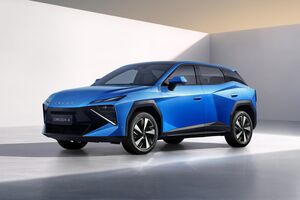
Omoda has confirmed that the new C4 will become the first model from the Chery Group to be built in South Africa, with production set to take place at the company's Rosslyn manufacturing facility in Gauteng.