SA urged to prepare workforce for automotive industry transition
South Africa's transition from internal combustion engine vehicles to new energy vehicles could place an estimated 8 200 direct jobs at risk over the next decade unless government, industry and labour take coordinated action.
Share with friends
This is according to a new study by the National Association of Automotive Component and Allied Manufacturers (NAACAM) and the International Labour Organization (ILO).
The research examines the employment impact of the country's move towards new energy vehicles between 2025 and 2035 and identifies both the risks and opportunities facing South Africa's automotive component manufacturing sector.
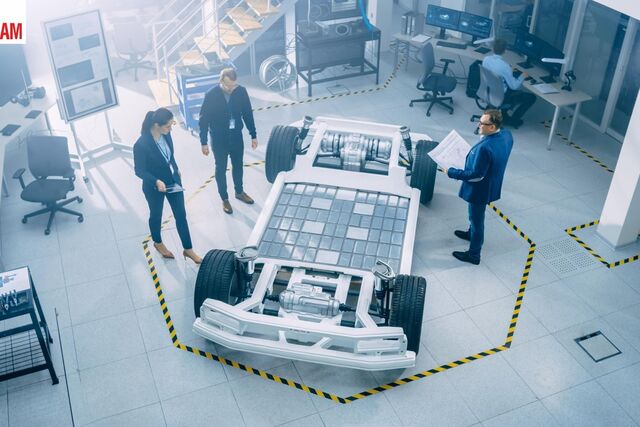
According to the study, while the transition could lead to significant job losses under a severe scenario, the right industrial policies and investment incentives could also create around 3 370 direct jobs. These opportunities are linked to the localisation of selected new energy vehicle components, including high voltage wire harnesses, thermal management systems and hydrogen fuel cells.
The report says the transition represents one of the most significant industrial shifts the country's automotive sector has faced in decades.
"Whether that transition results in industrial growth or manufacturing decline will depend on the policy choices and investments made today."
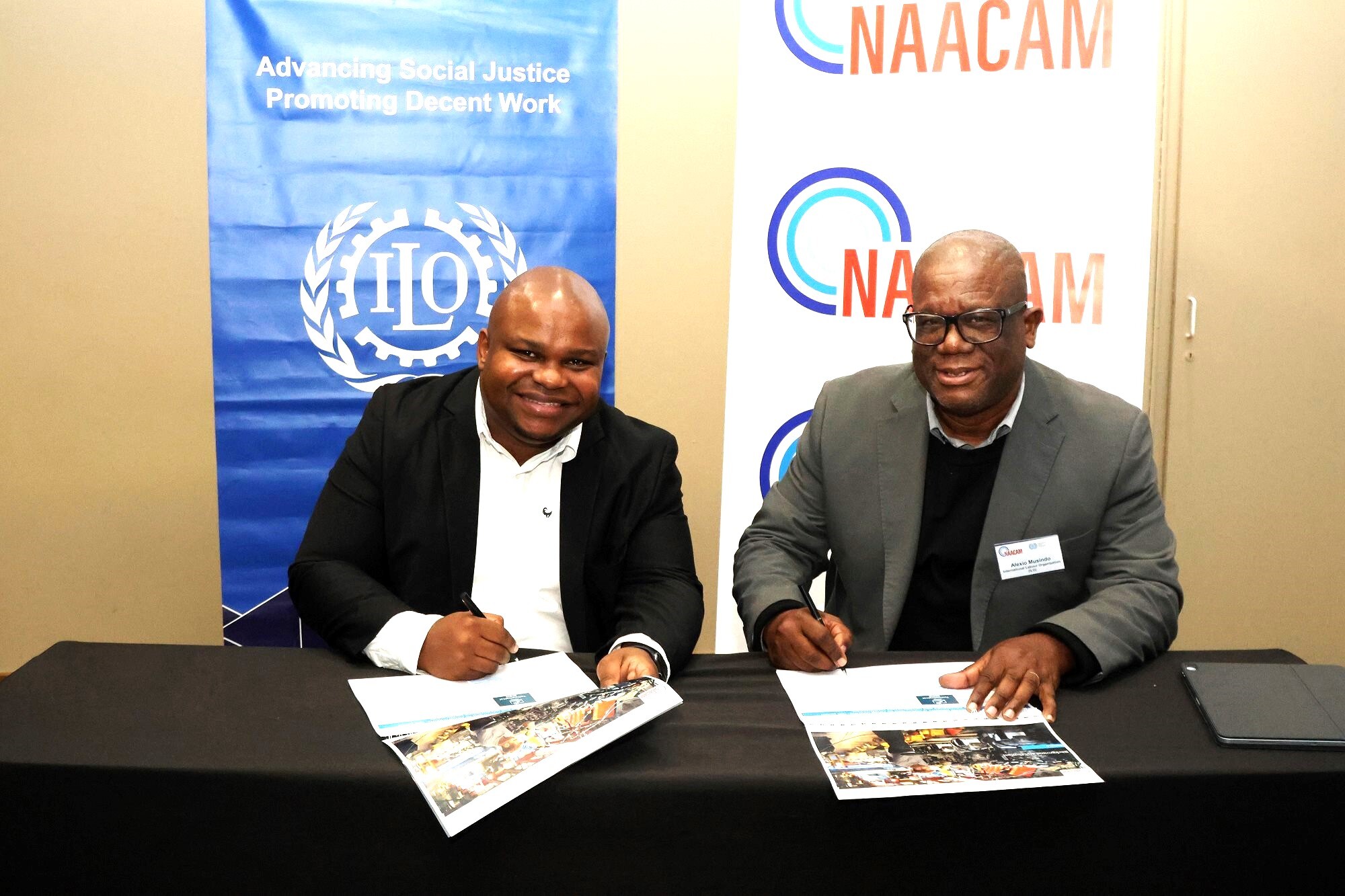
Ndu Chala (Chief Operations Officer at NAACAM) with Alexio Musindo (ILO Director for Botswana, Eswatini, Lesotho and South Africa and leader of the Decent Work Team for Eastern and Southern Africa), following the launch of the NAACAM-ILO study examining the employment impacts of South Africa's transition to new energy vehicles (NEVs). The research highlights both the risks and opportunities for the country's automotive component manufacturing sector.
The research also highlights the growing importance of preparing the workforce for future vehicle manufacturing technologies. It notes that many of the skills currently used in internal combustion engine component production will remain relevant but will increasingly need to be complemented by expertise in robotics, artificial intelligence, advanced manufacturing, green production techniques and specialised new energy vehicle technologies.
The study concludes that South Africa's current skills development ecosystem is only at a basic level of readiness and requires significant investment to meet future industry demand.
It also finds that South Africa already has manufacturing capability that could be adapted to produce several priority new energy vehicle components. However, it says stronger demand and supply side incentives, together with accelerated investment in skills development and production capability, will be required to realise this potential.
Stakeholder consultations found that many local component manufacturers are not yet planning to diversify into new energy vehicle component production, citing policy uncertainty, logistical challenges and limited investment incentives as key obstacles.
The report recommends six priority actions to support the transition. These include introducing incentives to encourage local adoption of new energy vehicles, strengthening support for component manufacturing investment, conducting workforce skills audits, expanding accredited training programmes, strengthening the technical education pipeline and providing income support and reskilling opportunities for workers displaced during the transition.
The study was informed by consultations with component manufacturers, vehicle manufacturers, organised labour, government, industry associations, training providers and community stakeholders.
NAACAM says South Africa has an important opportunity to participate in the global transition to cleaner mobility, but becoming a competitive producer of new energy vehicle components will require a coordinated effort to ensure the country's skills base is ready to support the shift.
Few can claim a bond with Mazda as deep as the Plitt family's. For more than 60 years, Mazda has been part of the family's story through Mazda Vereeniging, the oldest Mazda dealership in South Africa and a longstanding standalone representative of the brand.
Peugeot has expanded its Landtrek line-up with the addition of a new turbodiesel-powered model aimed at buyers looking for increased performance, greater towing capability and updated technology. The latest derivatives join the range from October 2026 and introduce a significant powertrain upgrade for the bakkie.
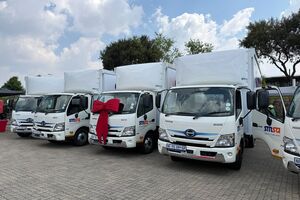
SMSA Africa Logistics Group has added five Hino 300 diesel electric hybrid trucks with van bodies to its fleet, following a two-year trial of three such trucks in its delivery operation.
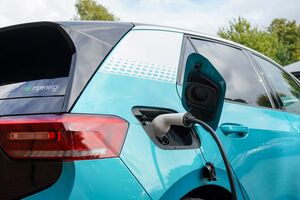
South Africa's new energy vehicle market is becoming increasingly diverse, with plug in hybrid electric vehicles (PHEVs) and fully electric vehicles gaining ground while traditional hybrids remain the largest category.
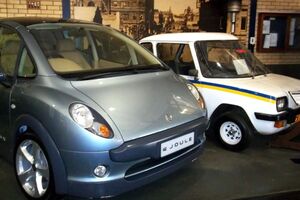
As South Africans celebrate their rich heritage, it is also worth reflecting on a lesser-known chapter of the country's history: its long connection with electric vehicles (EVs).