
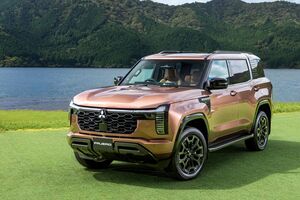
New Mitsubishi Pajero is ready to reclaim its flagship status
The Mitsubishi Pajero is preparing for a new chapter, with an all-new generation set to return as the brand's flagship SUV.
- Product News
- 22 November 2026
Electric vehicles (EVs) outsold petrol‑only cars in the European Union (EU) for the first time in December, marking a symbolic milestone in the bloc’s transition towards cleaner transportation.
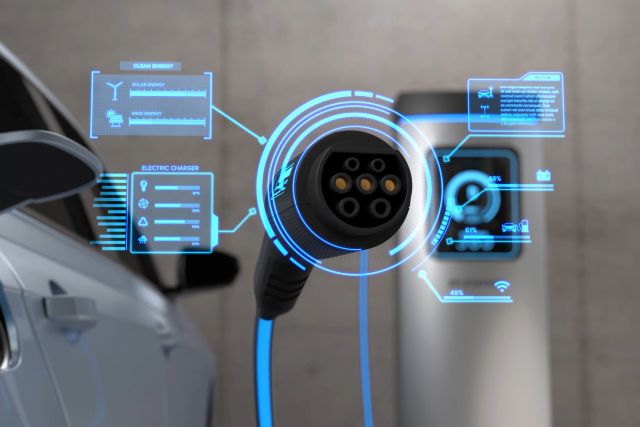
New figures from ACEA show that fully electric models captured 22.6% of new registrations, narrowly surpassing petrol cars at 22.5%, while hybrids remained the dominant force with a commanding 44% share.
The shift comes as EU lawmakers debate softening planned emissions regulations, a move that would give combustion‑engine cars a longer stay on the market. Industry observers warn, however, that December’s result reflects more than consumer preference alone.
Analyst Matthias Schmidt noted that declining petrol numbers partly stem from certain models being reclassified as “mild hybrids”, a category that still centres on petrol engines but offers only marginal emissions benefits. He believes electric vehicles may still need around five years to genuinely outpace combustion engines across all European markets.
Across the wider region, including the United Kingdom (UK) and Norway, car sales recorded their sixth consecutive month of year‑on‑year growth. The competitive landscape is also shifting rapidly, with Chinese manufacturers such as BYD, Changan and Geely expanding aggressively, challenging established European marques. Volkswagen and BMW continue to introduce new electric models as they face mounting pressure from foreign rivals and the profitability challenges of the EV market.
The EU’s December proposal to abandon its effective 2035 ban on combustion‑engine cars underscores these tensions. Yet sector specialists remain upbeat about electric vehicle uptake. Chris Heron of E‑Mobility Europe highlighted the arrival of more affordable European-made EVs alongside renewed government incentives, pointing to growing public enthusiasm and confident projections for further expansion into 2026.
Performance among individual carmakers varied: Volkswagen and Stellantis posted healthy registration increases, Renault slipped slightly, while Tesla saw a significant decline. BYD, meanwhile, recorded a dramatic surge as it tightened its grip on the European market.
Overall, Europe’s December registrations showed strong gains for electric, plug‑in hybrid and hybrid models, which together accounted for two‑thirds of new cars, a clear sign that the continent’s transition to cleaner motoring is continuing to gather momentum.
The Mitsubishi Pajero is preparing for a new chapter, with an all-new generation set to return as the brand's flagship SUV.
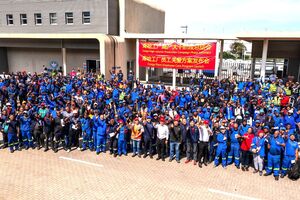
Behind every vehicle that rolls off a production line is a workforce whose skill, commitment and determination make it possible.

For many South Africans, the idea of owning an electric vehicle (EV) is appealing, but questions about charging, electricity costs, range and the practicalities of everyday use can make the decision difficult.
 Advertisement
 Advertisement
You can't buy happiness but you can buy cars and that's kind of the same thing.
Unknown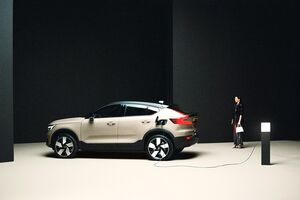
South Africa’s petrol price remains a concern for motorists, with inland 95-octane petrol staying above R30 a litre after the Department of Mineral and Petroleum Resources’ November adjustment.
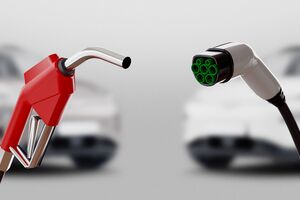
One of the main results of the 2026 Global EV Driver Survey, released by the Global EV Alliance (GEVA) this week, show that South African battery electric vehicle (EV) drivers are among the most satisfied in the world.
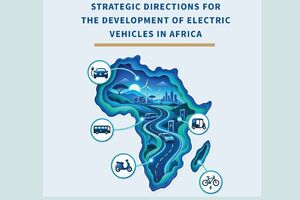
Energy security, electrification, grid infrastructure and sustainable transport take centre stage at COP31 in Antalya, Türkiye, as the climate conference devotes a full day to energy and transport. Africa enters that conversation with a plan of its own: the African Union’s (AU) Continental Framework on Electric Mobility (eMobility).