While these factors play a role in South Africa as well, the price of fuel is one of the biggest driving forces here. Are EVs really more efficient though?
The CEO of MasterDrive, Eugene Herbert, says based on a Yale Climate Connections report, internal combustion engines (ICEs) are more inefficient than EVs because of the energy lost in converting fuel into power. “ICE vehicles lose between 74% and 85% of their original energy in their fuel. It is consumed by heat produced in the engine, pumps, cooling systems and mechanical friction.
“By comparison, EVs do not need to convert energy from one form into another, so they are more efficient. They still lose energy during the charging process, for cooling, in the power steering and in the drivetrain and auxiliary components, which accounts for a 31% to 35% energy loss but regenerative braking returns about 22% of this. Thus, comparatively, EVs lose approximately 13% of their original energy.”
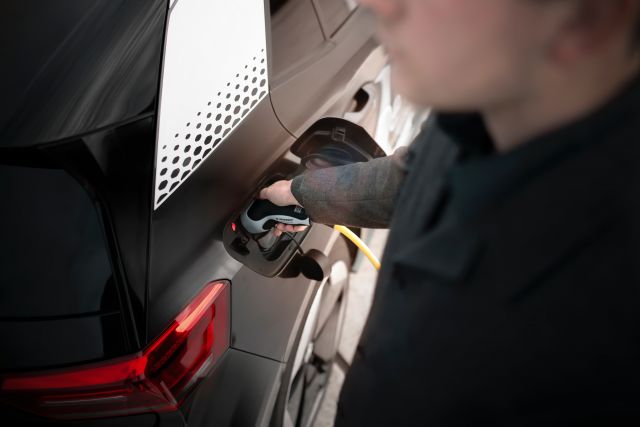
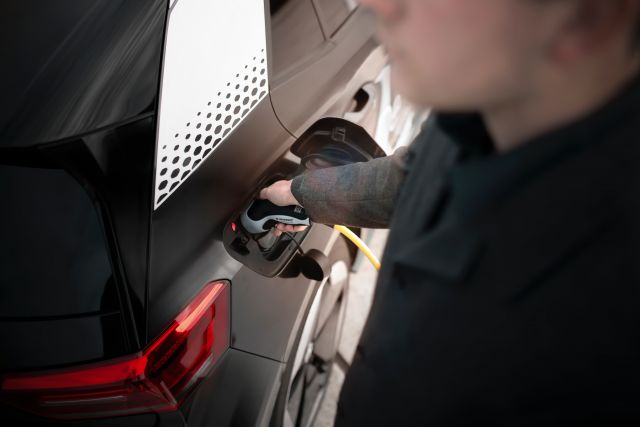
While studies and theories make a strong argument, what do we discover if we break this down into a more relatable comparison? “Using South Africa’s most affordable fully electric vehicle, the MINI Cooper SE, it costs approximately R177 to fully charge (depending on the cost of the kWh) which gives you a range of about 217 km.
“With the MINI Cooper S, which has a slightly higher power output and claimed fuel consumption of 6 L/100 km, it costs approximately R283 to travel 217km. Assuming the real-world fuel consumption is slightly higher than the claimed figure and depending on how the vehicle is driven, it is safe to assume that the cost is somewhat higher than this. Thus, again, the EV performs more efficiently. Comparisons between other vehicles show there are variations but ultimately, EVs are more efficient.”
Despite other concerns, for example that the environmental impact is not as low as propounded, there are definite benefits for a driver’s pocket. “EVs have many more efficiency benefits for consumers as well. In congested traffic it uses virtually no power, but regeneration of power is limited. EVs thrive with drivers who alternate between higher speeds and frequent braking.
“MasterDrive has, in anticipation of widespread use of EVs as fuel prices continued to rise unabated and the efficiency benefits presented, developed fleet policies and training programmes to enable fleets to make the transition.
Ultimately, the proof is in the ‘petrol’. “It thus far shows that there are efficiency benefits to EVs that ICE vehicles struggle to compete with. Once EVs have price parity with ICE vehicles in South Africa, this will be even better. Consequently, the answer is yes, EVs are more efficient,” Eugene says.