New Navara with Triton underpinnings has hit the road in Australia
Nissan’s new Navara bakkie has been unveiled in Australia, and not in the cards for South Africa.
Share with friends
What is it?
The new Navara is based on the new Mitsubishi Triton bakkie. It is part of the two manufacturers’ sharing strategy as both, together with Renault, make up the Renault-Nissan-Mitsubishi Alliance.
This partnership was formed in 1999 and expanded in 2016 when Mitsubishi joined to improve competitiveness, share costs and leverage each other's technologies, as is the case now with the new Navara bakkie.
The model is scheduled to go on sale in Australia and New Zealand at the end of the first quarter of 2026.
Exterior:
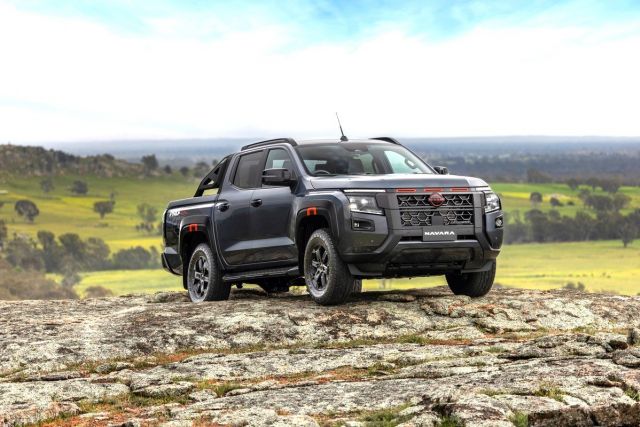
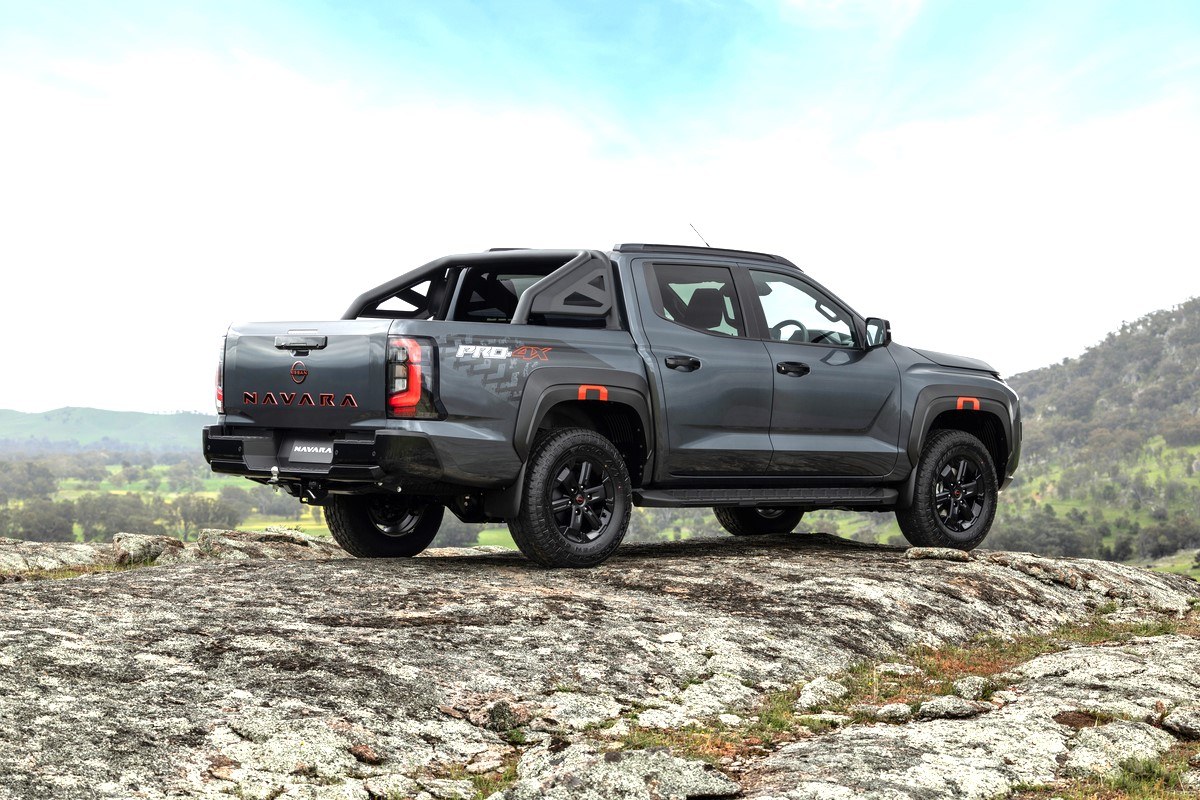
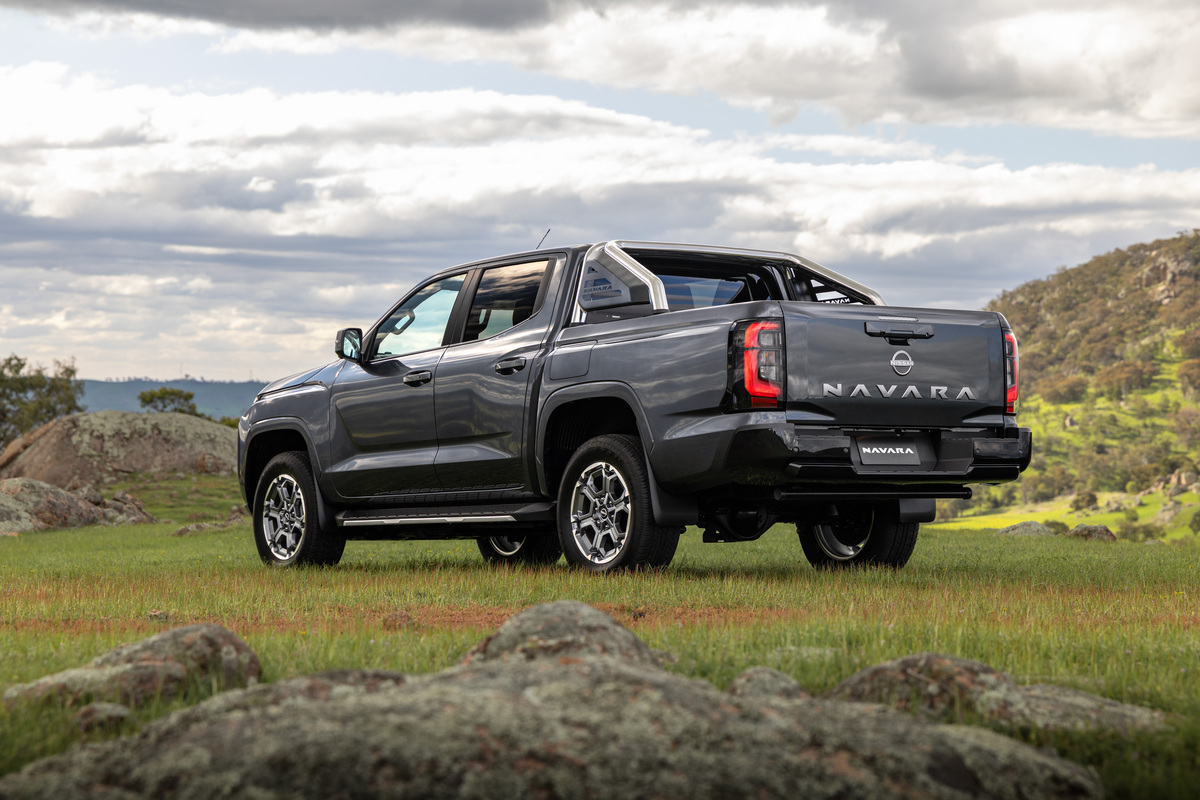
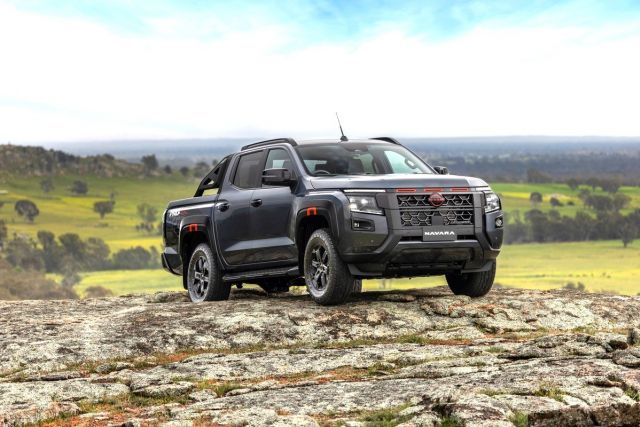
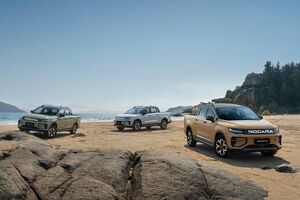
The exterior design draws inspiration from Nissan’s pickup truck lineage but is also unmistakable in its profile as a reworked version of the Triton.
The Nissan signature V-motion grille gives the front fascia a bold and unique presence, while the three-part intake openings outlined in orange pay homage to the first-generation model. The C-shaped headlamps connect seamlessly with the grille, creating a tough yet refined and advanced appearance.
Interior:
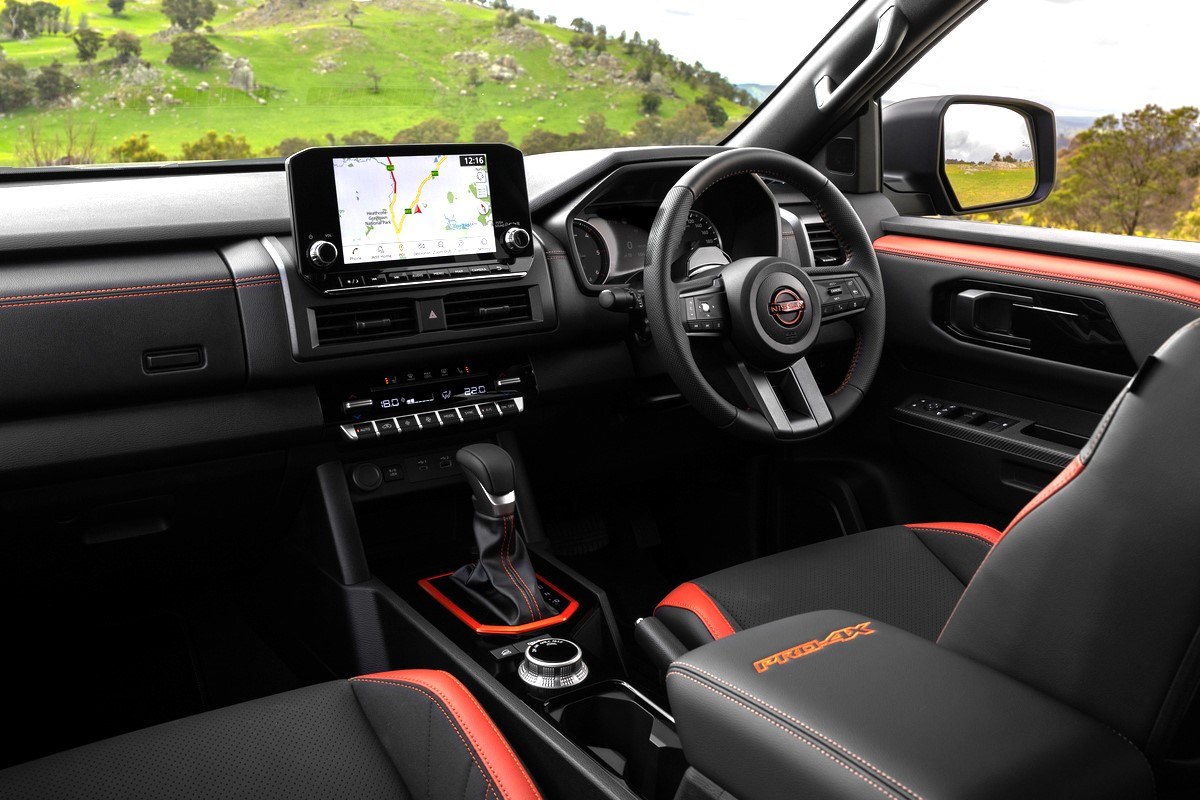
Inside, the cabin offers a spacious and comfortable environment. A 7-inch colour TFT meter is used for the instrument cluster, and the dashboard features a high-function 9-inch infotainment system that supports wireless Apple CarPlay® and Android Auto as standard.
Engine:
The new model is equipped with a 2.4-litre turbodiesel engine, an updated version of Mitsubishi’s powertrain, with an output of 150kW and torque of 470Nm, paired with a six-speed automatic transmission.
A newly adopted electric power steering (EPS) system enhances manoeuvrability and enables better handling performance. Power is delivered to the road via a Super 4WD system, a Mitsubishi strongpoint.
Driver-Assistance Technologies:
The new Navara supports the driver with a wide range of advanced driver-assistance systems, including Intelligent Cruise Control, Lane Departure Warning (LDW), an emergency lane-keeping system that assists steering to help avoid danger, and the Intelligent Speed Limiter, which automatically recognises speed-limit signs and alerts the driver.
With a solid foundation in the parts division of a dealership, and having worked his way up through the ranks across several departments, Hyde Park Toyota's new Dealer Principal says he is ready for the challenge ahead.
Mitsubishi Motors has revived the Pajero name with the launch of the fifth generation Pajero Cross Country. The new model does not simply replace the previous Pajero that disappeared from the market in 2021. Its relationship with the Pajero Sport is equally important, particularly for markets such as South Africa.
Range Rover, long regarded as the original luxury SUV, has introduced its first electric model. The vehicle is built at the Solihull plant in the UK, where Range Rover production has taken place since 1970.
Mitsubishi Motors has revived the Pajero name with the launch of the fifth generation Pajero Cross Country. The new model does not simply replace the previous Pajero that disappeared from the market in 2021. Its relationship with the Pajero Sport is equally important, particularly for markets such as South Africa.
Audi South Africa has introduced the new Q5 range, comprising the third-generation Q5 SUV, second-generation Q5 Sportback, and the performance-focused SQ5 SUV and SQ5 Sportback. The range is built on Audi's Premium Platform Combustion and brings a new generation of petrol and diesel engines to the nameplate.