Wayve, Uber and Nissan announce collaboration on Robotaxis
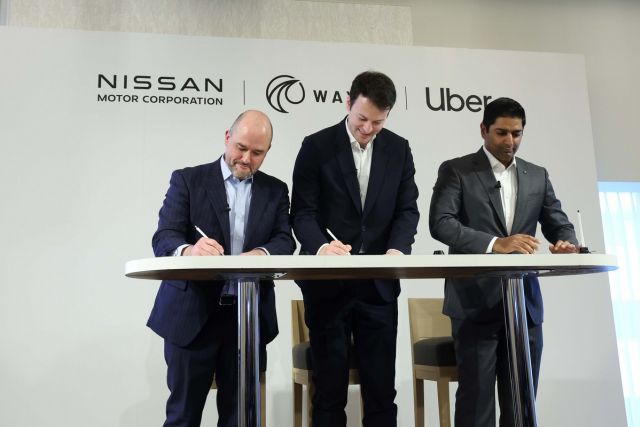
Wayve, Uber and Nissan announced the signing of a memorandum of understanding to collaborate on the development of robotaxis and commence activities to realize the deployment of robotaxi services.
Share with friends
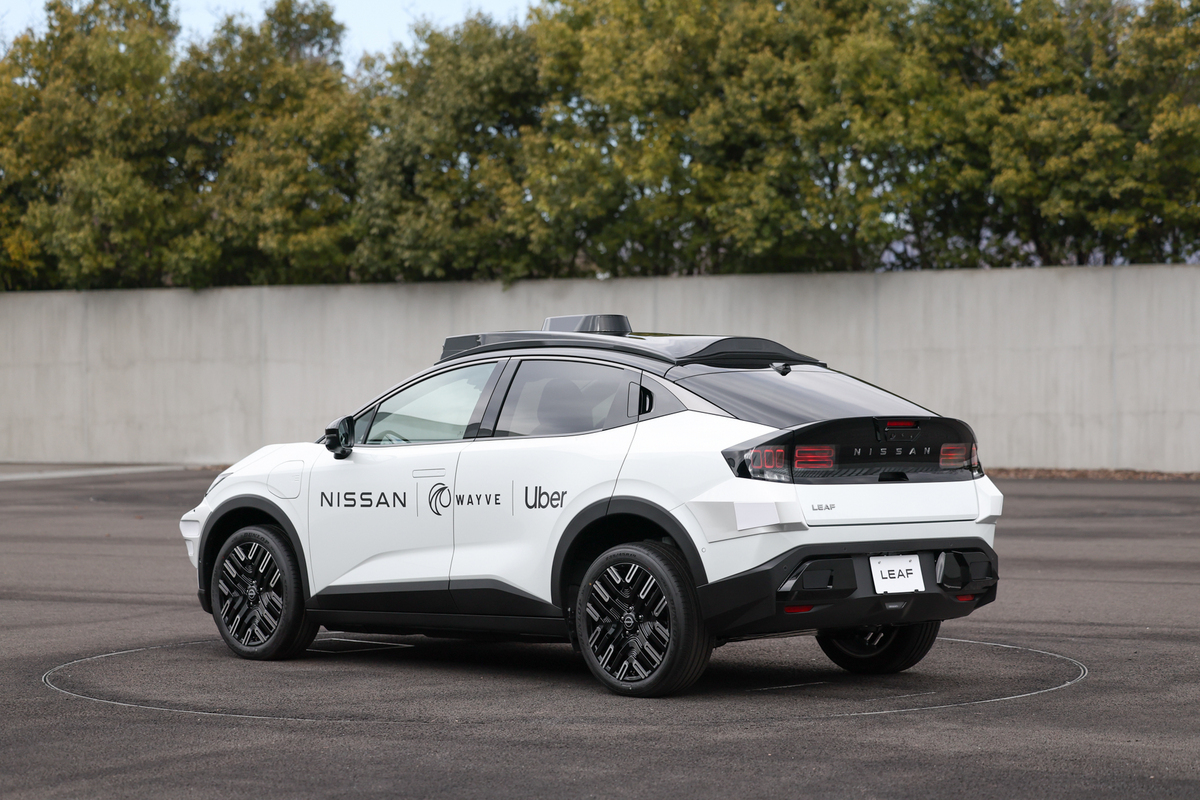
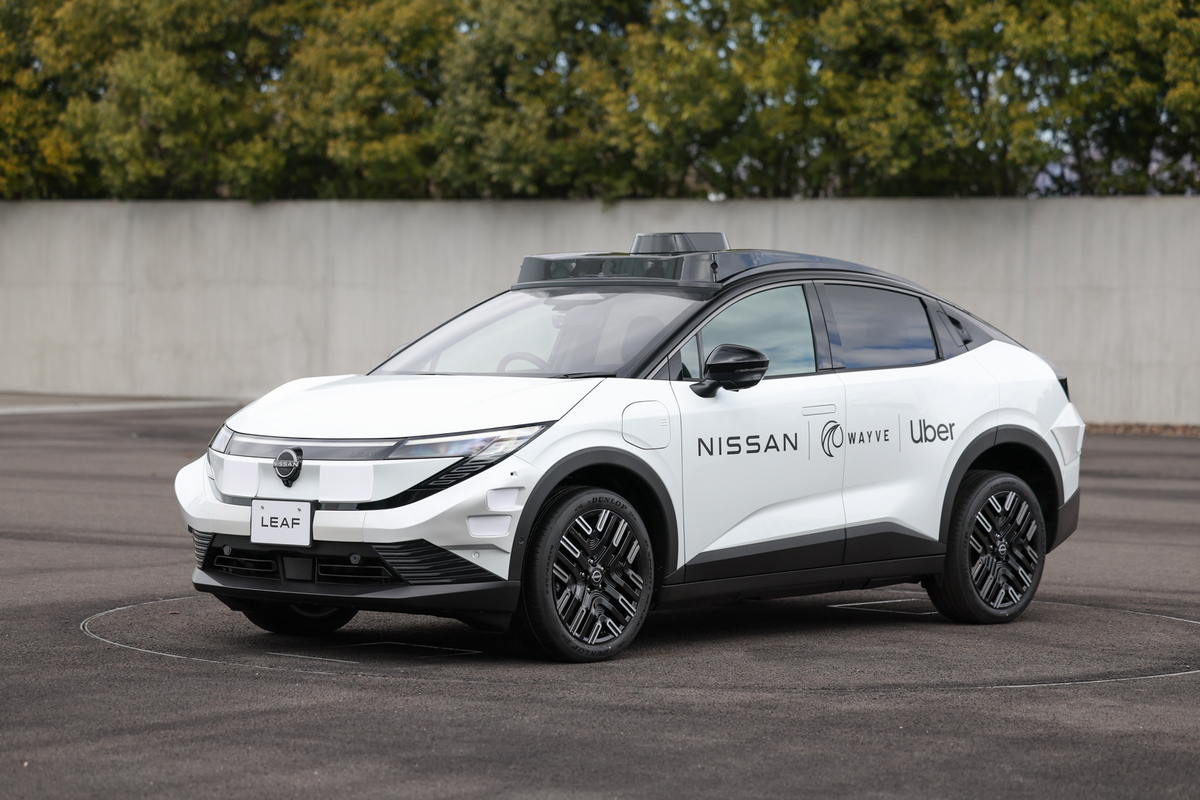
The parties will begin preparations for a pilot deployment in Tokyo by late 2026, introducing the Nissan LEAF powered by the Wayve AI Driver, available to riders through Uber.
This marks Uber’s first autonomous vehicle partnership in Japan and the next milestone in Wayve and Uber’s global robotaxi rollout, which includes planned services across more than ten cities worldwide, including London.
Under this scheme, the goal is to integrate Wayve’s end-to-end artificial intelligence (AI) autonomous driving system into Nissan’s base vehicle, which can accommodate the Wayve AI Driver and connect to Uber’s ride hailing platform, matching robotaxis with individuals seeking transportation.
During the initial phase, the vehicles will operate on the Uber network with a trained safety operator in the car, allowing riders to experience a robotaxi service as part of their everyday journeys.
Wayve, Uber and Nissan aim to deploy their state of the art, safe and reliable robotaxi service in Tokyo, one of the world’s most challenging markets with its dense traffic patterns, complex road layouts and high safety standards.
The Wayve AI Driver is designed to learn from real-world data and generalize across new roads and cities without the use of an HD map. This enables rapid expansion into global markets and supports deployment in dynamic urban environments like Tokyo.
Uber intends to launch the service through a licensed taxi partner in Japan, working in close alignment with relevant authorities, and is currently in the process of selecting its partners.
As part of the announcement, the companies are providing a first look at the Robotaxi prototype based on the Nissan LEAF.
The announcement reinforces a shared ambition to scale safe, intelligent autonomous mobility globally by combining Wayve's AI technology, Nissan’s cutting-edge vehicles and Uber’s network, the partners aim to bring autonomous mobility to more cities.
Charging time remains a worry for many South Africans considering an electric vehicle, who still see it as a disruption rather than a quick stop at a filling station. That view is starting to shift.
The winners of the 2026 Automotive Business Council | naamsa Accelerator Awards were announced at the recently held Auto Week 2026, which took place in eThekwini, KZN.
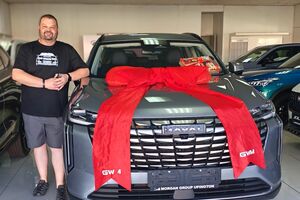
When Cobus Coetzee (photo) accepted the opportunity to join the Morgan Group in Upington, he had to weigh up more than a new position. The move meant exchanging the West Coast’s cooler climate and seaside lifestyle for the Northern Cape’s desert heat, while taking responsibility for a multi-franchise operation spread across several premises.
The winners of the 2026 Automotive Business Council | naamsa Accelerator Awards were announced at the recently held Auto Week 2026, which took place in eThekwini, KZN.
With the steep rise in fuel prices since March this year leading to historic record highs following massive increases in October, the government intervention annouched this week, is widely welcomed.
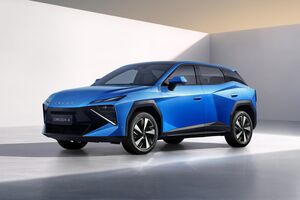
Omoda has confirmed that the new C4 will become the first model from the Chery Group to be built in South Africa, with production set to take place at the company's Rosslyn manufacturing facility in Gauteng.