The Mazda2 has been updated with a number of changes to its interior and exterior while the powertrains and spec levels remain unchanged. This follows on the heel of an updating of the bigger Mazda3 range recently.
Share with friends
What’s new?
Exterior:
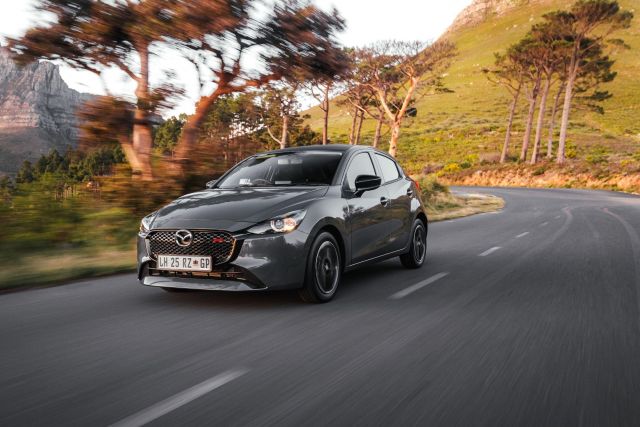
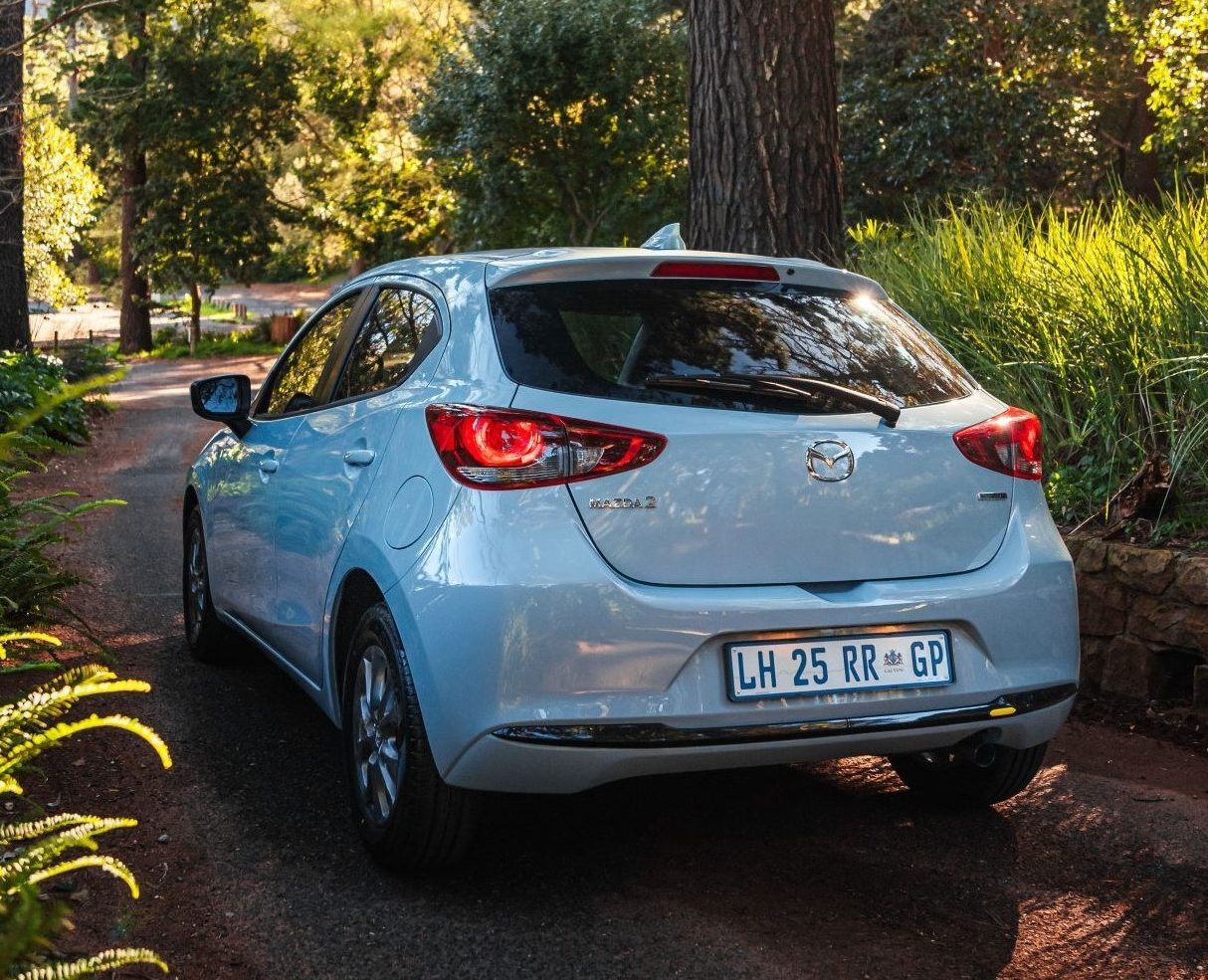
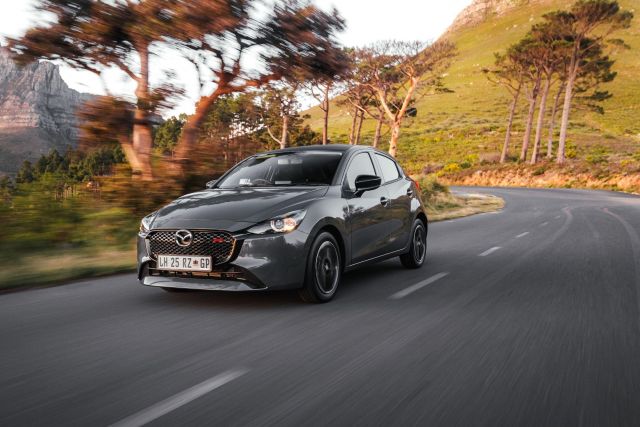
On the outside, the Mazda2 has received some minor styling changes. The Mazda2 Active now has a solid black bumper while the Dynamic derivative now sports a solid colour-coded grille with a yellow insert.
The Mazda2 Individual now has a Honeycomb grille with a red insert as well as a roof wrap that further personalises this derivative. In addition, the Individual has new wheels: Black Metallic with Machining.
Furthermore, Mazda2 buyers now have two new exterior colours to choose from: Air Stream Blue and Aero Grey.
Interior:
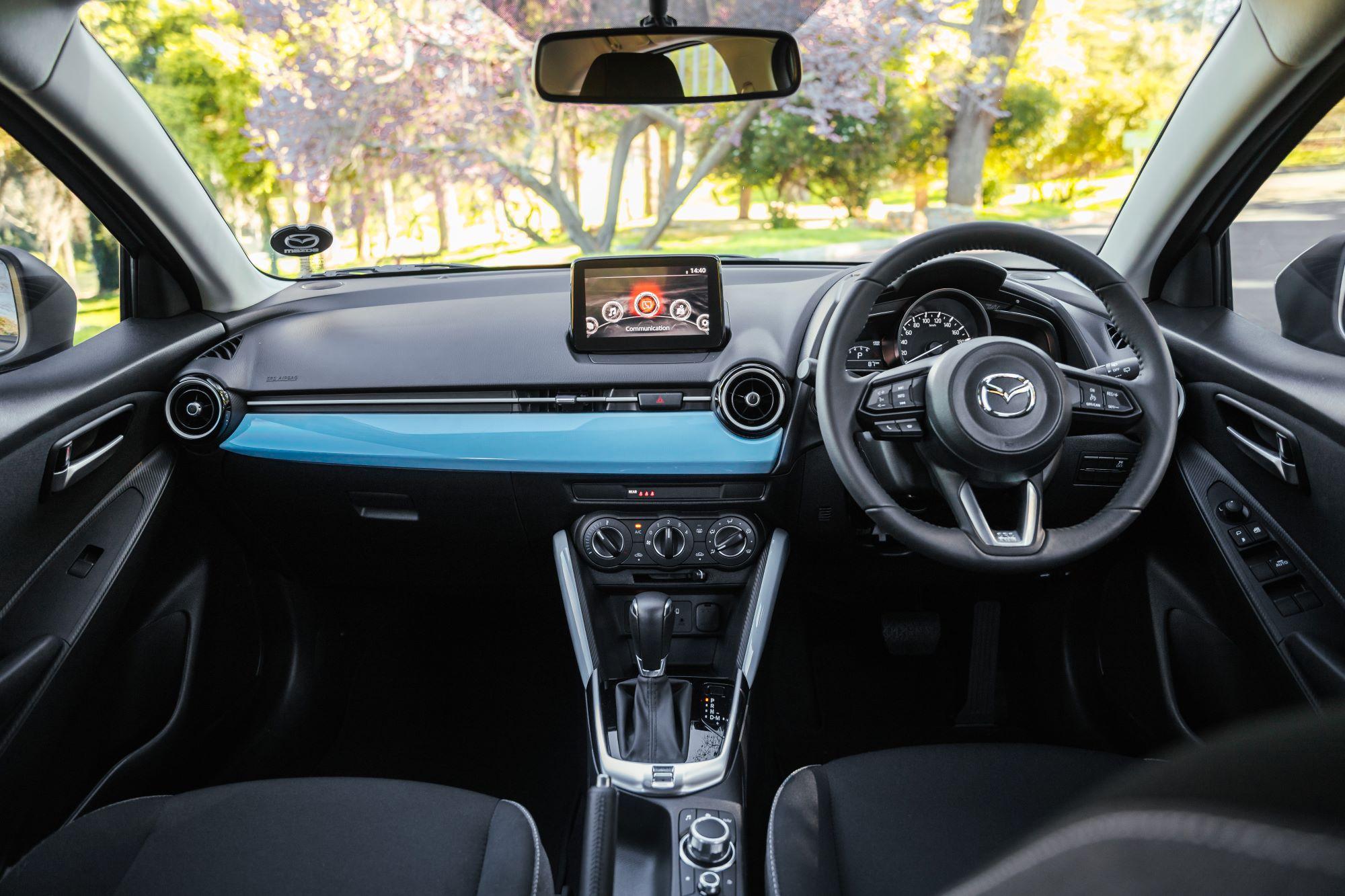
Depending on the exterior colour, the Mazda2 Dynamic has a new selection of interior trim:
White interior trim to go with exterior colours of Snowflake White Pearl, Soul Red Crystal, Polymetal Grey, and Platinum Quartz.
Black interior trim to go with exterior colours of Deep Crystal Blue, Machine Grey, Aero Grey, and Arctic White.
Mint interior trim to go with the Air Stream Blue exterior.
The Mazda2 Individual now comes with interior trim that includes red stitching on seats and red bezels throughout.
Engine:
All models use the 1.5 litre petrol engine with 85 kW and torque of 148 Nm with a choice between a six-speed manual or automatic transmission.
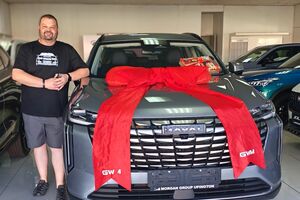
When Cobus Coetzee (photo) accepted the opportunity to join the Morgan Group in Upington, he had to weigh up more than a new position. The move meant exchanging the West Coast’s cooler climate and seaside lifestyle for the Northern Cape’s desert heat, while taking responsibility for a multi-franchise operation spread across several premises.
With the steep rise in fuel prices since March this year leading to historic record highs following massive increases in October, the government intervention annouched this week, is widely welcomed.
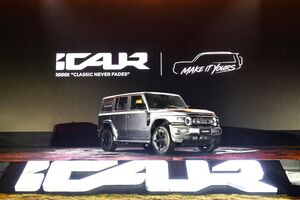
The iCAUR V-Series family has grown with the arrival of the new V25, unveiled at the 2026 iCAUR International User Summit in Wuhu, China. As the brand continues its international expansion, the V25 is expected to play a key role in attracting buyers seeking a rugged-looking SUV with modern electric technology.
The iCAUR V-Series family has grown with the arrival of the new V25, unveiled at the 2026 iCAUR International User Summit in Wuhu, China. As the brand continues its international expansion, the V25 is expected to play a key role in attracting buyers seeking a rugged-looking SUV with modern electric technology.
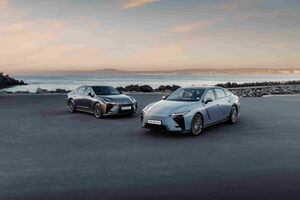
Lexus has introduced the all-new ES to South Africa, bringing a larger footprint, more advanced technology and a choice of hybrid or fully electric power. The eighth-generation model also arrives with a redesigned cabin, fresh styling and expanded levels of comfort and safety.
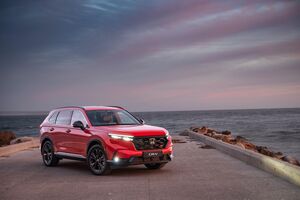
Honda has expanded its local SUV line-up with the introduction of the CR-V RS e:HEV AWD. The newcomer brings hybrid power to the CR-V range while adding updated styling, additional technology and a revised cabin layout.