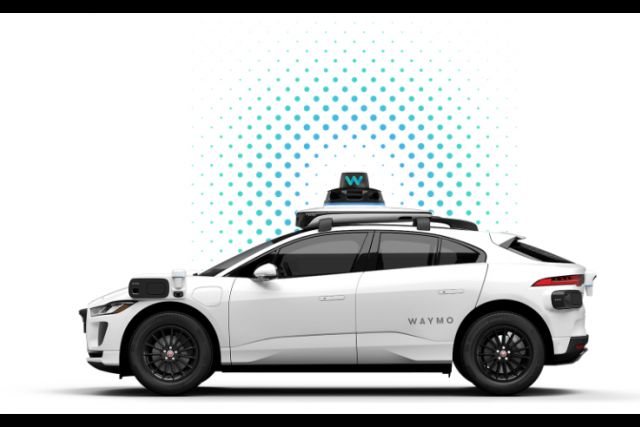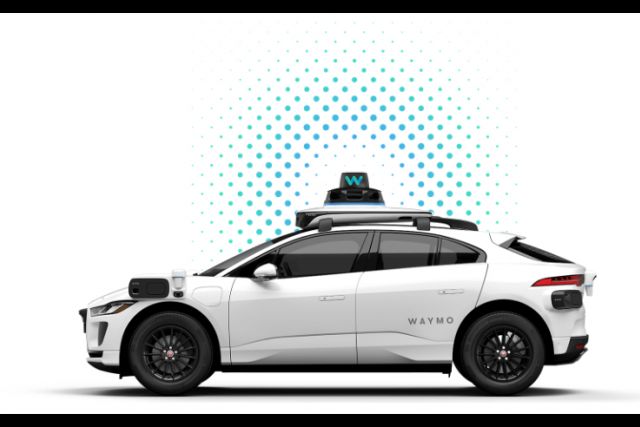
This landmark development places the Alphabet-owned company well ahead of rivals such as Tesla, Zoox and Nuro, who remain in earlier stages of testing.
The roll-out begins in San Francisco, Phoenix and Los Angeles, where a select group of passengers will soon experience faster journeys thanks to motorway routing. Wider availability will follow in the coming months.
According to co-CEO Dmitri Dolgov, mastering motorway driving without human intervention is among the most complex challenges in autonomy. “It’s simple to learn but incredibly difficult to perfect at scale,” he remarked, noting that Google’s original self-driving initiative began experimenting on highways over 15 years ago.
This enhancement significantly expands Waymo’s operational footprint in California. The company will now link Bay Area cities more efficiently, extending coverage to San Jose and creating a unified service zone of roughly 260 square miles. For the first time, travellers can also book rides to and from San Jose International Airport, complementing the airport transfers Waymo has offered in Phoenix since late 2022.
Waymo’s motorway capability follows extensive trials with employees and invited guests over the past year. The firm intends to introduce this feature gradually across additional cities, building on its existing presence in Austin and Atlanta through a partnership with Uber. Future deployments are planned for Detroit, Las Vegas, Dallas, San Diego, Miami and Washington DC.
Safety remains a cornerstone of Waymo’s approach. Internal data suggests its autonomous system reduces serious injury crashes by 91% compared to human drivers. “Motorway collisions often stem from fatigue, distraction or aggression,” explains Jacopo Sannazzaro, a project manager at Waymo. “Our technology never tires, never loses concentration and never acts on emotion.” The company has already logged 100 million rider-only miles without a safety driver and operates a fleet exceeding 2 500 vehicles.
Competitors are striving to close the gap. Tesla began robotaxi trials in Austin earlier this year, initially with safety drivers. Elon Musk has indicated that Tesla aims to remove these monitors by year-end, though he stressed caution to avoid high-profile incidents. The automaker hopes to launch services in up to ten cities, including Nevada, Florida and Arizona, and is seeking regulatory approval for full autonomy in California. At present, Tesla’s Bay Area ride-hailing offering still relies on human drivers despite its “robotaxi” branding.
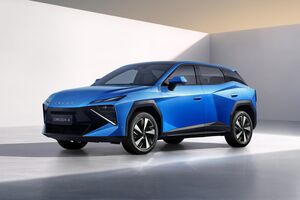
Other challengers include Zoox, which commenced a pilot scheme in Las Vegas in September, and Nuro, which has partnered with Uber and Lucid Motors to introduce a robotaxi service in San Francisco next year. Yet, with its motorway breakthrough and proven safety record, Waymo appears firmly positioned to lead the next phase of autonomous mobility.