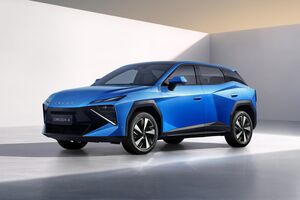
Against this backdrop, Olaf Lies, the premier of Lower Saxony and a key shareholder in the company, has urged Volkswagen to consider producing models currently developed in China in Germany. He believes this could help stabilise employment and capacity utilisation at German plants.
Lower Saxony’s proposal:
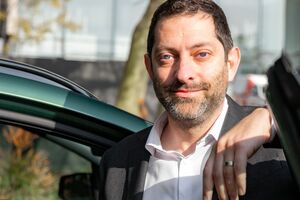
Speaking to German news agency DPA, Olaf says that if they produce vehicles locally that are currently made in China, they could stabilise capacity utilisation of their plants. “This would also create the opportunity for new development and innovation at our locations. To me, it’s about stabilising employment and capacity utilisation at our plants, instead of watching others build new plants outside of Germany.”
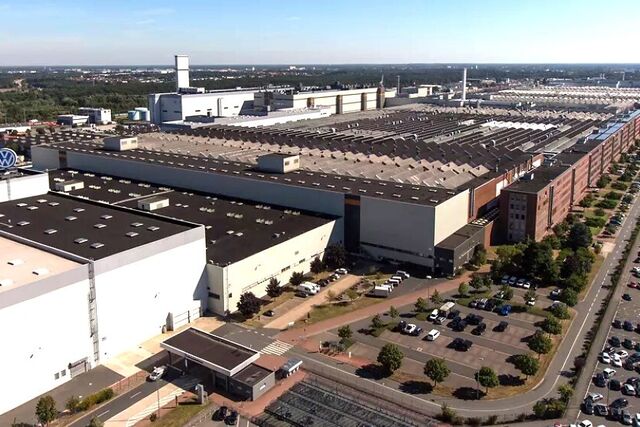
Lower Saxony holds a 20% voting stake in Volkswagen and hosts five of its six western German assembly plants. Olaf, a member of the Social Democrats, floated the idea after visiting China in April, where he observed the rapid rise of local electric vehicle manufacturers. His comments come as Volkswagen considers shutting four German factories and cutting up to 100 000 jobs, a move described as potentially the largest restructuring in automotive industry history.
Looming job cuts:
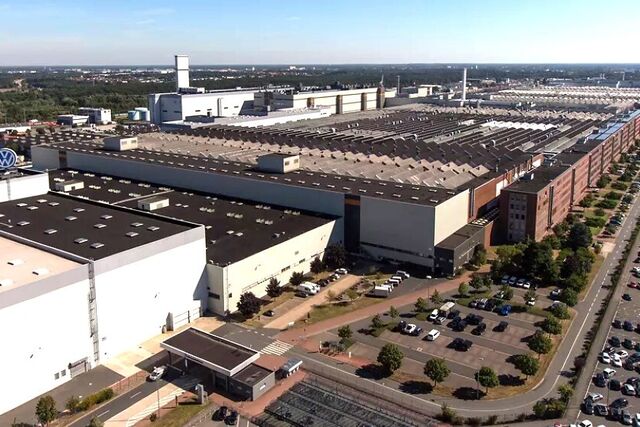
According to sources cited by Reuters, Volkswagen’s supervisory board has been informed of plans to close plants in Hanover, Zwickau, Emden and Audi’s Neckarsulm site. More than 45 000 jobs would be at risk, adding to 50 000 cuts already planned. In absolute terms, laying off 100 000 workers and closing four assembly plants would surpass even the drastic restructuring seen at General Motors during its 2009 bankruptcy.
Volkswagen Chief Executive Oliver Blume presented the proposals to senior executives earlier this week. The plans include reducing investment by about 15% to just over €130 billion over the next five years and spinning off the core VW brand and parts operations into separate entities. However, unions and the state of Lower Saxony have vowed to resist. IG Metall and Volkswagen’s works council issued a joint statement: “Should such plans go ahead we would do everything in our power to prevent them.”
Investor concerns:
Volkswagen shares fell to 16‑year lows last week, reflecting investor scepticism. Ingo Speich of shareholder Deka told Reuters that the high costs are merely a symptom, not the cause. “They do not address the root cause, which is weak sales. VW must bring attractive products to market that are in high demand; that would put an end to the debate over costs.”
This sentiment underscores the challenge facing Volkswagen: cutting costs alone will not resolve the deeper issue of declining consumer interest in its vehicles, particularly in China, where its market share has eroded dramatically.
Pressure from China:
Volkswagen has long been the leading foreign automaker in China, but its dominance has been shattered. BYD overtook Volkswagen in 2024, and by 2025 the German giant had slipped to third place behind Geely. Non‑Chinese automakers’ market share fell to 32% in 2025 from 57% in 2020, according to AlixPartners.
Independent analyst Matthias Schmidt comments that the VW Group has suffered from years of neglect in readjusting workforce numbers due to the stranglehold the regional government and trade unions have on the company. “The market reality is hitting the German giant hardest.”
Chinese automakers are not only expanding in their domestic market but also aggressively entering Europe. BYD, Chery, SAIC and Leapmotor doubled their combined European market share through May compared with a year earlier, according to the European Automobile Manufacturers' Association (ACEA). This intensifies the pressure on Volkswagen, which is struggling to maintain relevance both at home and abroad.
Porsche’s strategic shift:
In a related development, Volkswagen’s subsidiary Porsche is reportedly considering shifting production of its Cayenne SUV from Slovakia to its Leipzig plant in Germany. The move, reported by Frankfurter Allgemeine Zeitung, would boost capacity utilisation and reflects a broader effort to consolidate production within Germany.
This aligns with Olaf’s proposal to bring more production back to German soil, though it remains uncertain whether Volkswagen’s leadership will embrace such a strategy in the face of global competition and financial strain.