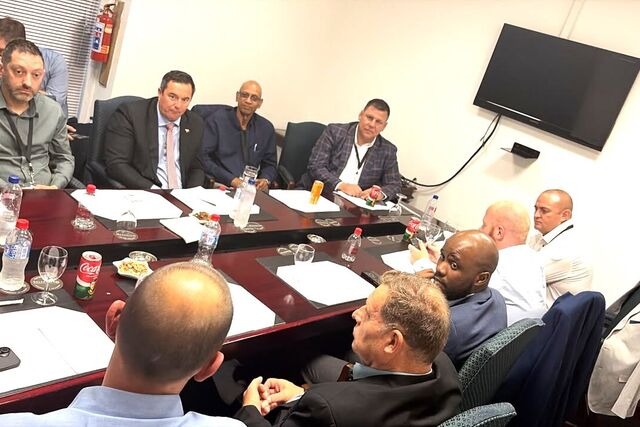
The engagement formed part of an ongoing effort to strengthen cooperation between industry stakeholders and policymakers as the sector navigates issues ranging from regulation and skills development to funding and consumer protection.
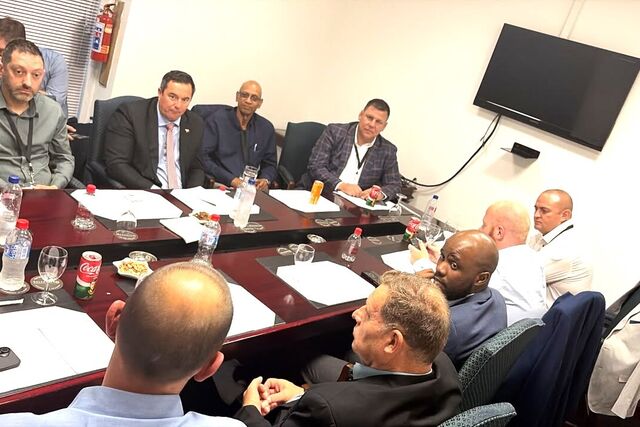
The roundtable discussion was facilitated by RMI Chief Operating Officer Henk Ferreira and followed Deputy Minister of Trade, Industry and Competition John Steenhuisen’s address at the event.
Representatives from the RMI’s seven affiliated associations joined international industry guests in a wide-ranging discussion focused on the future of South Africa’s automotive aftermarket sector and the opportunities available through continued collaboration.
The importance of the aftermarket economy was a central theme throughout the discussions. Participants noted that the sector employs more than 300 000 people and supports a broad range of businesses extending far beyond vehicle manufacturing. These include dealerships, parts distributors, independent workshops, tyre retailers, body repairers, petroleum retailers and numerous supporting service providers.
A key topic was the regulatory environment and how it can better support consumers while promoting fair and sustainable competition. Industry representatives highlighted towing services as an area where clearer regulations could enhance transparency, improve consumer choice and create a more level playing field for operators.
The management of end-of-life vehicles also received considerable attention. Stakeholders discussed the development of South Africa’s ELV policy framework and examined ways in which existing policy initiatives could be better aligned. Improved vehicle traceability and recycling processes were identified as opportunities to strengthen environmental outcomes while reducing the risk of illicit parts finding their way back into the supply chain.
Concerns surrounding illicit imports of tyres, automotive components and related equipment were also raised. Participants stressed the importance of product testing, standards compliance and effective importer controls. Further engagement with the South African Bureau of Standards was identified as a possible avenue to expand testing capacity and improve consumer protection.
The discussion also highlighted operational challenges faced by businesses servicing government fleets under the RT46 contract. Extended payment periods were raised as a concern, particularly given the impact delayed payments can have on cash flow and the ability of service providers to continue supporting essential public sector vehicle operations.
Skills development emerged as another major focus area. Industry representatives emphasised the need to increase the number of qualified artisans entering the sector and to strengthen technical career pathways for young people. Existing apprenticeship programmes and Recognition of Prior Learning initiatives were presented as examples of how industry is already investing in workforce development.
Participants also explored opportunities for manufacturers, importers and international partners to contribute more actively towards technical training. German industry representatives indicated a willingness to share training materials and curricula that could support local skills development initiatives.