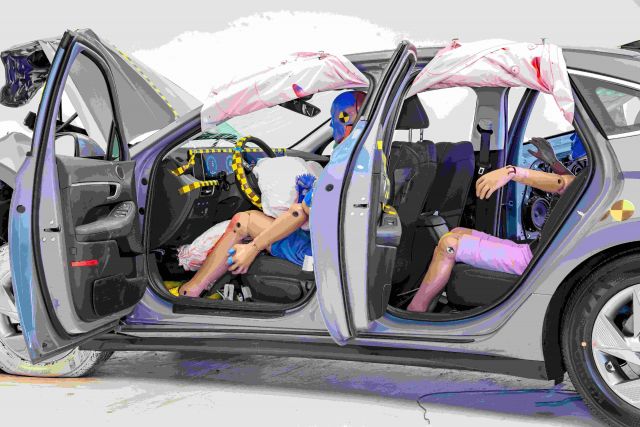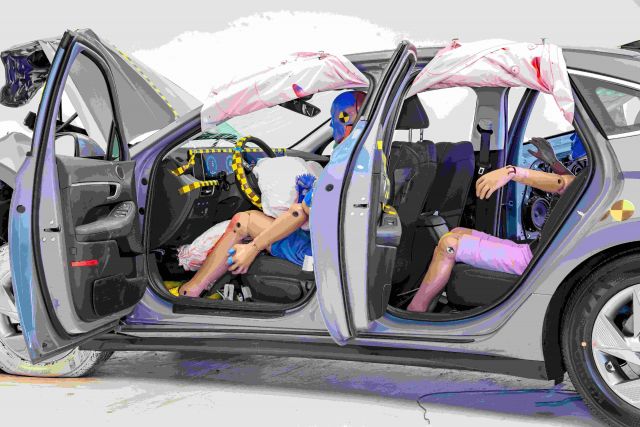
These independent testing bodies provide star ratings that not only inform consumers but also drive manufacturers to incorporate advanced safety technologies into their designs.
The Global NCAP Landscape
Euro NCAP
remains the gold standard for vehicle safety assessment, with its protocols serving as benchmarks worldwide. Major European manufacturers including Volkswagen, Mercedes-Benz, BMW, and Opel must meet these demanding standards, ensuring vehicles sold in South Africa benefit from elevated safety specifications.
Asian Markets contribute significantly to global automotive safety standards. Australia and New Zealand's ANCAP has aligned closely with Euro NCAP protocols since 2018, whilst Japan's JNCAP continues setting benchmarks for advanced safety technologies, testing brands like Toyota and Lexus that are popular in the South African market.
India's newly launched Bharat NCAP (BNCAP) is particularly relevant for South African dealers, as it tests vehicles from manufacturers like Mahindra, Tata, and Suzuki—brands with significant presence in our market. Meanwhile, South Korea's KNCAP maintains some of the world's most stringent testing protocols, often exceeding even Euro NCAP standards.
The Americas
operate dual systems: the US National Highway Traffic Safety Administration (NHTSA) provides official government ratings, whilst the Insurance Institute for Highway Safety (IIHS) conducts independent testing that influences American automotive design. Brands like Jeep undergo rigorous testing by these organisations.
Regional Programmes
ASEAN NCAP covers Southeast Asian markets, testing brands like Proton, whilst Latin NCAP serves Caribbean and Latin American markets, having previously assessed vehicles like the Fiat 500 and VW Amarok that are sold locally.
Global NCAP's Africa Programme is particularly significant for South African dealers, as it addresses unique challenges in emerging markets. Recently, the Mahindra XUV300 received a five-star rating and is now considered one of the safest vehicles in Africa, alongside models like the Suzuki Baleno and Renault Kwid.
Implications for South African Dealers
Understanding these global NCAP programmes provides valuable insight into the safety technologies featured in vehicles on your showroom floor. Vehicles designed to meet stringent NCAP requirements typically feature advanced high-strength steels, sophisticated crumple zones, and integrated safety systems that enhance their appeal to safety-conscious South African consumers.
The influence of NCAPs extends beyond initial vehicle design, affecting everything from insurance ratings to consumer confidence. As these programmes continue evolving and harmonising their standards, South African dealers benefit from improved vehicle safety credentials across their entire inventory.
This global network represents a collaborative effort to improve vehicle safety worldwide, with each programme contributing unique insights that ultimately benefit consumers and industry professionals alike.
For an in-depth article visit our sister publication here.