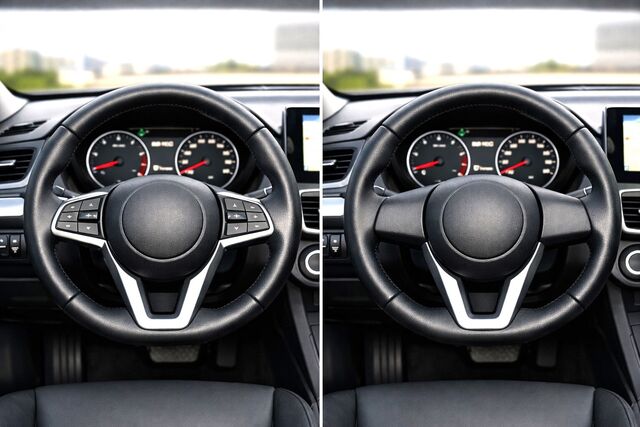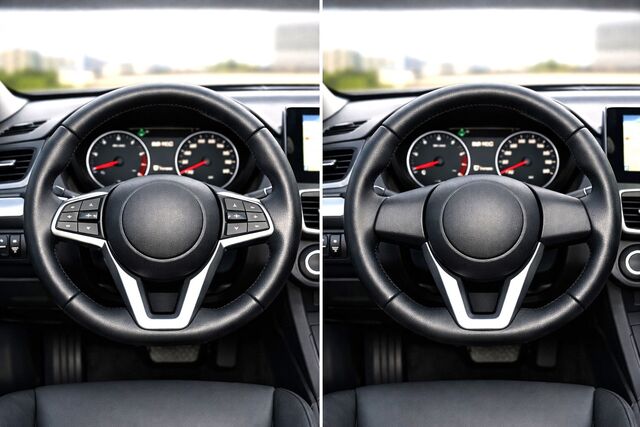
Across the industry, Features on Demand, or FoD, is reshaping the relationship between motorists and manufacturers. In simple terms, the car arrives with much of the hardware already fitted, while certain functions are unlocked later through software, sometimes for a one off fee and sometimes through a subscription. It is a model borrowed from consumer technology, but it is now becoming central to the business case for the software defined vehicle.
The commercial appeal is hard to ignore. Carmakers face rising costs in electrification, connectivity, compliance, and software development, while investors increasingly expect income beyond the showroom sale. FoD offers exactly that.
Market analysts now describe the category as covering everything from navigation and infotainment to comfort, safety, remote services, and driver assistance. They also point to a fairly settled group of front running brands, with Audi, BMW, Mercedes-Benz, Tesla, Porsche, Volkswagen, Skoda, Ford, and Toyota all repeatedly identified as active participants. That matters because it shows FoD is no longer a niche experiment. It is becoming an established route to recurring revenue.
If one company set the tone, it was Tesla. Long before the rest of the market caught up, Tesla trained buyers to expect their vehicles to gain features over time through over the air updates. In that sense, Tesla made software a visible part of ownership rather than a hidden technical layer.
BMW and Mercedes-Benz followed with more formal digital storefronts and upgrade ecosystems. BMW has emphasised remote software upgrades and post purchase activation through ConnectedDrive, while Mercedes-Benz has expanded digital extras through its own app based environment. Audi has arguably gone furthest in packaging FoD as a flexible retail proposition, especially in Europe, where buyers can unlock selected features for a month, several years, or for the life of the car.
Yet scale does not guarantee acceptance. The strongest resistance appears when customers believe they are being charged twice for something that already sits inside the vehicle. BMW learned that the hard way when its heated seat subscription became a lightning rod for criticism.
The backlash did not kill FoD, but it did sharpen the rules. Motorists are more open to paying for software that clearly evolves, depends on live data, or adds meaningful convenience over time. They are far less enthusiastic about recurring fees for basic comfort features that feel like they should have been included from day one.
That leaves FoD at a fascinating crossroads. The technology makes perfect sense for manufacturers that want to standardise production, reduce complexity across trims, and keep improving vehicles long after delivery. It may also suit drivers who prefer flexibility over paying for every option upfront. But success will depend on restraint. The brands that are biggest in FoD today, notably Tesla, BMW, Mercedes-Benz, and Audi, have proved that customers will pay for digital upgrades when the value is obvious.
The next phase will test whether mass market names such as Ford, Toyota, and Volkswagen can bring the same model to a wider audience without undermining trust. FoD is no longer a futuristic talking point. It is a live commercial strategy, and the brands that handle it with the most care are likely to gain the most from it.
Photo: AI Generated.