Suzuki is focused on providing its customers with an unrivalled experience on coastal and inland waterways.
Share with friends
As this requires a healthy and unpolluted environment, the brand is spearheading its “Suzuki Clean Ocean Project”, which aims to contribute towards cleaner oceans and rivers in countries around the globe. It’s a programme made up of three core commitments, each designed to make a unique impact.
Clean-Up the World Campaign:
Held annually since 2010, more than 9 000 people from 44 global Suzuki distributors have volunteered their time to help clean waterways in their vicinity. Members of the public have also joined in, bringing the total number of participants as of December 2023 to 17 002.
Reduce Plastic Packaging:
In order to be more considerate towards the planet, Suzuki Marine is making efforts to not only gather plastic waste but also reduce plastic packaging from its products. Migrating to eco-friendly packaging materials such as paper saves over five tons of plastic per annum.
Collect Marine Micro-Plastic Waste:
Since July 2022, Suzuki Marine has fitted its Micro-Plastic Collecting Device (MPC) to a number of its popular outboard motors as standard equipment. This innovative filtration device allows for the reliable collection of micro-plastics by simply operating the engine.
Recently, Suzuki Marine South Africa collaborated with two non-profit organisations – Hennops Revival and Deep Water Movement – to conduct a ‘Clean-Up the World Campaign’ at the Hennops River in Centurion, Pretoria.
One of the biggest rivers in Gauteng, the Hennops, is also one of the province's most polluted as increasing urbanisation sees its banks and waters constantly under threat from litter and other forms of hazardous waste.
“Water is one of the most critical resource issues of our and our children’s lifetime, so we at Suzuki are proud to have assisted Hennops Revival and Deep Water Movement in cleansing a river right here on our doorstep,” says Tanja Maes, Marine Manager at Suzuki Auto South Africa.
“Leading up to this event, our target was to fill 50 trash bags,” Tanja says. “I’m happy to report we exceeded this number by a fair margin. After two hours of hard work, our crew of selfless volunteers collected 241 bags; a figure that translates to just over 490 kilogrammes of trash.
“The disposal of this waste was overseen by Hennops Revival and Deep Water Movement as they are familiar with the correct and lawful procedures required to separate harmful medical waste from everyday recyclable trash before it is delivered to the registered landfill.”
Suzuki’s Jimy was on standby to assist with removing the trash.
South Africa’s petrol price remains a concern for motorists, with inland 95-octane petrol staying above R30 a litre after the Department of Mineral and Petroleum Resources’ November adjustment.
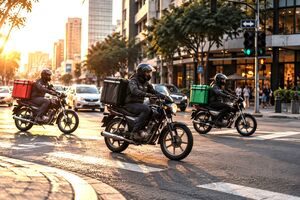
South Africa’s rapidly expanding delivery sector is driving strong demand for affordable, dependable motorcycles that can withstand the demands of daily commercial use.
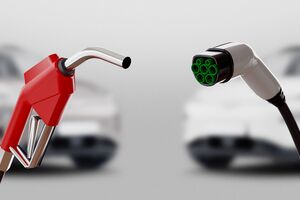
One of the main results of the 2026 Global EV Driver Survey, released by the Global EV Alliance (GEVA) this week, show that South African battery electric vehicle (EV) drivers are among the most satisfied in the world.
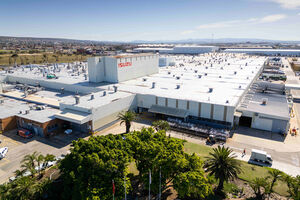
Isuzu Motors South Africa (IMSAf) has achieved a 38% reduction in Scope 1 and Scope 2 CO₂ emissions compared with its 2013 baseline while increasing vehicle production by 21% during the 2025/26 financial year at its Gqeberha manufacturing facility.
Diversifying oil supplies, investing in pipelines and rail infrastructure, improving port operations and expanding inland storage facilities are among the measures needed to reduce South Africa's vulnerability to international fuel supply disruptions.