

TVS powers South Africa’s growing delivery economy
South Africa’s rapidly expanding delivery sector is driving strong demand for affordable, dependable motorcycles that can withstand the demands of daily commercial use.
- Product News
- 20 November 2026
Rising new vehicle sales in South Africa continue to confound industry commentators and many people actively involved in the automotive industry.
This is the reaction of Brandon Cohen, National Chairperson of the National Automobile Dealers Association (NADA), after studying the retail figures for May distributed today by naamsa | The Automotive Business Council.
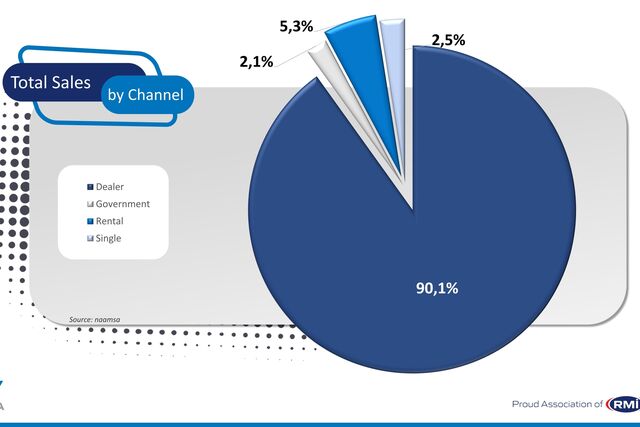
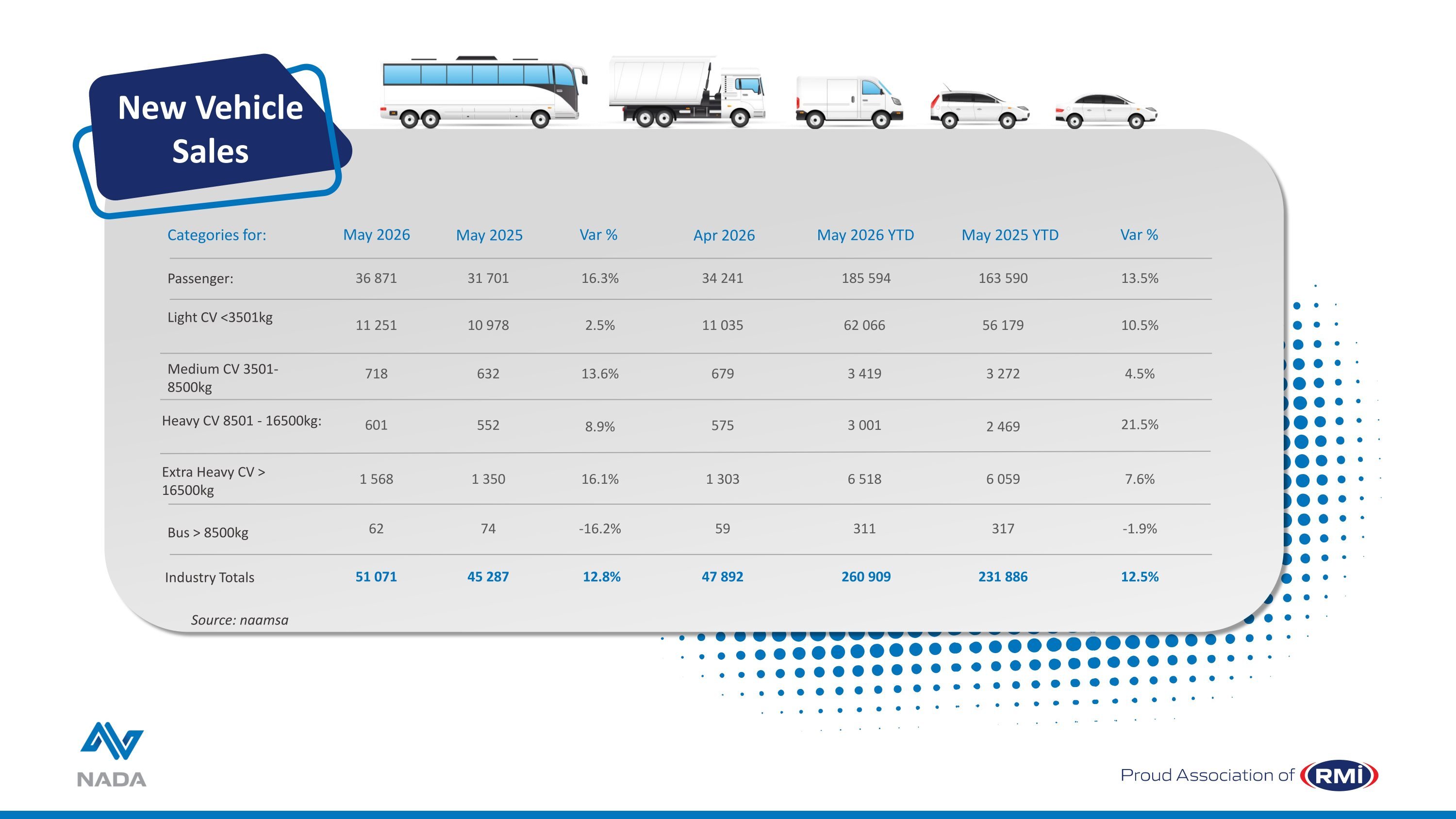
May sales reached 51 071 units; the highest monthly total recorded since May 2013 and represented a 12.8% increase over May 2025. Importantly, 90.1% of these sales flowed through South Africa's retail dealer network, underlining the continued strength of consumer demand.
The positive momentum extends beyond a single month. Total industry sales for the first five months of 2026 reached 260 909 units, 12.5% ahead of the corresponding period in 2025, with all major vehicle segments recording growth.
"Given the recent interest rate increase, ongoing cost-of-living pressures and concerns around consumer affordability, many expected vehicle demand to come under greater pressure. Instead, the market continues to show surprising resilience, supported by replacement demand and consumers' ongoing need for personal mobility," Brandon says.
"Customers are spending more time evaluating options, comparing finance offers and considering total cost of ownership before committing to a purchase. Dealers are having to work harder to convert enquiries into sales, but the demand is still there," he says.
Passenger vehicle sales led the market's performance, increasing 16.3% year-on-year to 36 987 units.
Light commercial vehicle sales improved by 2.5% to 11 251 units, while the medium and heavy commercial vehicle segments also recorded encouraging growth, reflecting ongoing activity in key sectors of the economy.
"Fuel prices and running costs remain important considerations for buyers, particularly in the volume segments of the market. Affordability is increasingly influencing purchasing decisions, with consumers paying closer attention to fuel efficiency, maintenance costs and overall value," Brandon adds.
Ryan Seele, an executive member of NADA, says dealers were also seeing growing interest in alternative propulsion technologies.
"We are seeing a noticeable increase in discussions around hybrid and electric vehicles. Consumers are asking more informed questions about fuel savings, operating costs and long-term ownership benefits. While new energy vehicles still account for a relatively small portion of overall sales, awareness and consideration levels have increased significantly."
Rayn noted that demand remained strongest below the R500 000 price point, where affordability considerations are most acute.
"At the same time, the premium segment has remained surprisingly resilient, supported largely by cash buyers who are less exposed to interest rate movements and financing costs."
Brandon concludes by saying the challenge for the remainder of the year will be whether consumers can continue to absorb higher financing costs and rising living expenses.
South Africa’s rapidly expanding delivery sector is driving strong demand for affordable, dependable motorcycles that can withstand the demands of daily commercial use.
One of the main results of the 2026 Global EV Driver Survey, released by the Global EV Alliance (GEVA) this week, show that South African battery electric vehicle (EV) drivers are among the most satisfied in the world.
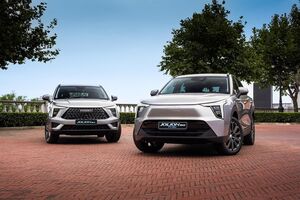
GWM South Africa has broadened its popular Jolion range with the introduction of the all-new Haval Jolion Max. Designed with modern families in mind, the newcomer combines increased interior space, new technology and a wider choice of powertrains, including petrol, hybrid and plug-in hybrid options.
 Advertisement
 Advertisement
Have you ever noticed that anybody driving slower than you is an idiot, and anyone going faster than you is a maniac?
George Carlin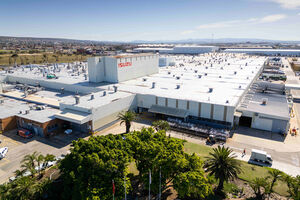
Isuzu Motors South Africa (IMSAf) has achieved a 38% reduction in Scope 1 and Scope 2 CO₂ emissions compared with its 2013 baseline while increasing vehicle production by 21% during the 2025/26 financial year at its Gqeberha manufacturing facility.

Diversifying oil supplies, investing in pipelines and rail infrastructure, improving port operations and expanding inland storage facilities are among the measures needed to reduce South Africa's vulnerability to international fuel supply disruptions.

Combined Motor Holdings (CMH) has appointed Charles Webber as the new Group CEO.