

Hatfield Motor Group takes top honours at Audi Dealer Awards
Audi South Africa honoured the outstanding achievements of its national dealer network at the annual Audi Vorsprung Awards.
- Dealer News
- 28 April 2026
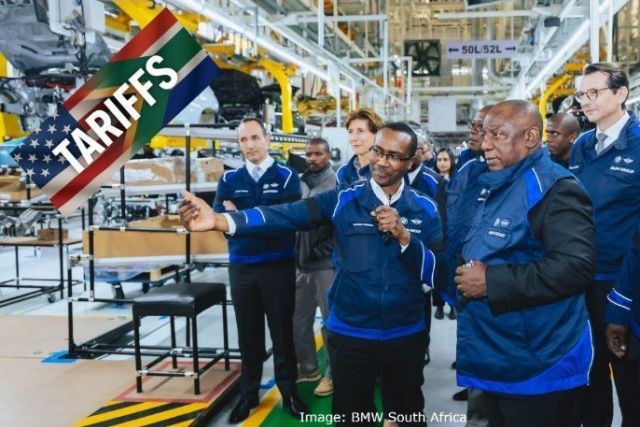
President Cyril Ramaphosa has expressed strong confidence in South Africa's automotive industry, stating it is making crucial investments to build resilience and lead the transition to green mobility despite mounting global pressures.
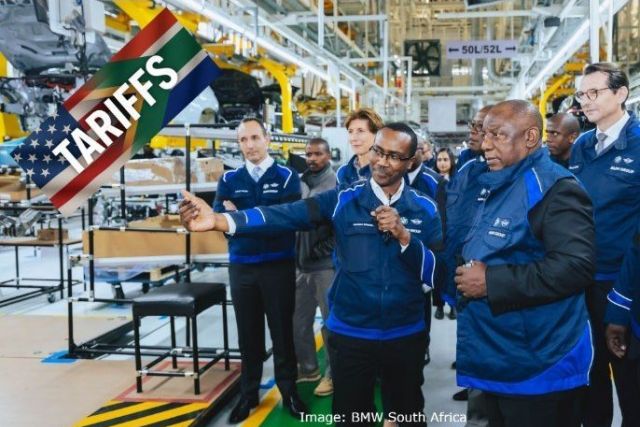
In his weekly newsletter this week, Ramaphosa emphasized protecting existing automotive jobs as paramount, particularly with looming US tariffs threatening the sector. He stressed the urgent need to diversify export markets, committing to work with industry players to expand their continental presence and leverage existing trade relationships within the Southern African Development Community (SADC) region.
The sector's economic impact is substantial, supporting more than 115 000 direct manufacturing jobs and over 500 000 positions across the value chain, while contributing approximately 5.3% to the country's GDP. Currently, exports account for around two-thirds of local vehicle production.
However, Ramaphosa acknowledged significant challenges ahead, including new emissions regulations in key markets like the European Union and fresh USA tariffs. The global shift from internal combustion engines toward hybrid and electric vehicles has made green mobility increasingly critical for manufacturers.
The recent launch of BMW's new X3 plug-in hybrid at the company's Rosslyn plant in Tshwane highlighted this transition. South Africa serves as the exclusive global production site for this model, representing what Ramaphosa called "a welcome signal to investors that South Africa remains a favourable place to do business."
Audi South Africa honoured the outstanding achievements of its national dealer network at the annual Audi Vorsprung Awards.
South Africa is experiencing its fastest shift yet towards electric mobility, driven not by environmental policy but by sheer economics.
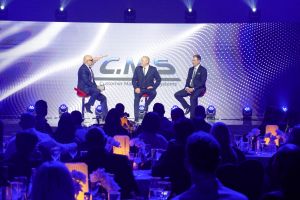
CMS Systems is celebrating 25 years in business, marking a significant milestone for a company that has become a central player in automotive retail technology.
 Advertisement
Advertisement
Advertisement
You can't buy happiness but you can buy cars and that's kind of the same thing.
Unknown
CMS Systems is celebrating 25 years in business, marking a significant milestone for a company that has become a central player in automotive retail technology.
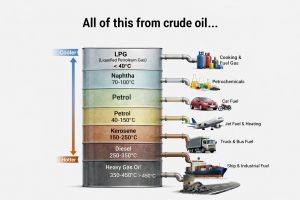
Oil prices jumped on Wednesday after Iran's seizure of container ships in the strait.
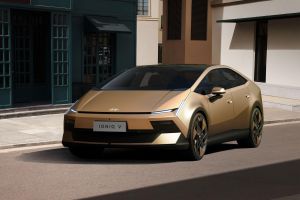
Hyundai Motor is preparing an aggressive comeback in China, unveiling plans to launch 20 new vehicles over the next five years as it tries to rebuild its position in the world’s largest car market.