Speaking at a Johannesburg seminar this week, Zane Dangor, the director-general of South Africa's Department of International Relations and Cooperation, disclosed that US officials have made it clear that Black Economic Empowerment (BEE) policies are "high on the agenda" in bilateral discussions.
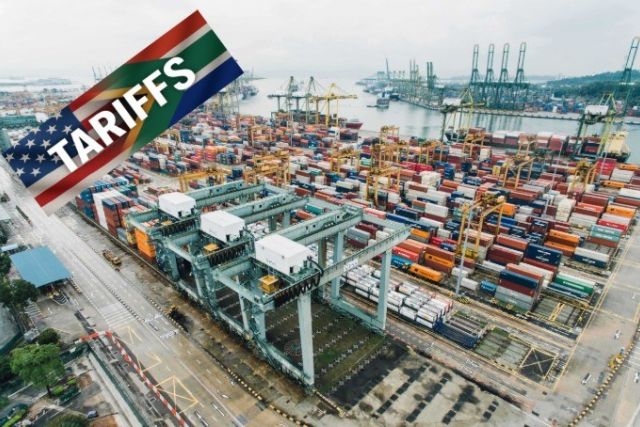
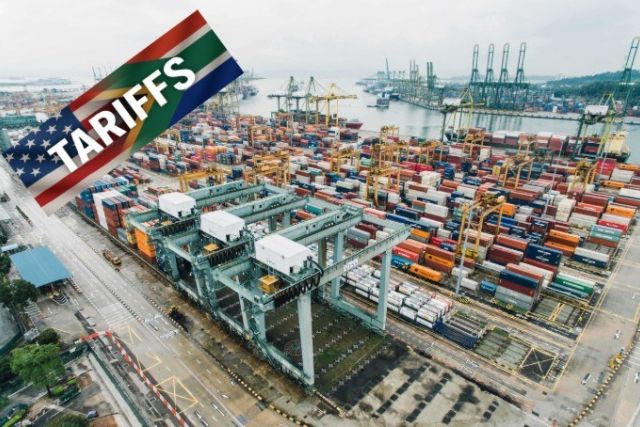
The revelation comes as South Africa races against time to avoid punitive 30% tariffs on its exports to America. While countries like Japan and the European Union have successfully negotiated trade arrangements with the Trump administration, South Africa's attempts have stalled amid broader diplomatic tensions.
The timing is critical for South Africa's economy. As the country's second-largest trading partner after China, the US represents a crucial market. The South African Reserve Bank has warned that the proposed tariffs could eliminate approximately 100 000 jobs, with agriculture and automotive manufacturing bearing the brunt of the impact.
Central to the dispute are South Africa's BEE laws, which require companies to demonstrate progress in hiring and promoting Black employees and, in some sectors, mandate Black shareholding for licensing purposes. These policies, which are designed to address centuries of systemic racial exclusion, have drawn criticism from Trump, who has characterised them as discriminatory.
"What worries us is demanding from us curtailment of sovereignty on certain issues to get this deal," Zane stated, though he declined to provide specifics, citing confidentiality agreements.
The diplomatic relationship between Pretoria and Washington has grown increasingly strained beyond trade issues. South Africa's decision to pursue a genocide case against Israel at the International Court of Justice has drawn sharp opposition from both Israel and the United States, further complicating bilateral relations.
Despite the challenges, South Africa's trade ministry indicated on Tuesday that negotiations remained active. The government has presented a comprehensive package to US negotiators, including commitments to purchase American liquefied natural gas, streamline poultry import procedures and invest $3.3 billion in US mining and other industries.
In return, South Africa seeks tariff exemptions for strategic sectors, including shipbuilding and counter-seasonal agricultural products that complement rather than compete with American production.
The Office of the US Trade Representative has not responded to requests for comment on the ongoing negotiations.
As the tariff deadline approaches, South Africa finds itself caught between protecting policies it views as essential for addressing historical inequities and securing economic relationships vital to its future prosperity. The outcome may set important precedents for how domestic social policies intersect with international trade relationships in an increasingly interconnected global economy.