The investment covers several areas of the assembly operation and comes as manufacturers continue to modernise production facilities to meet changing market requirements and growing technological demands. The upgrades are focused on increasing operational flexibility, improving quality control and preparing the plant for future vehicle programmes, Isuzu states.
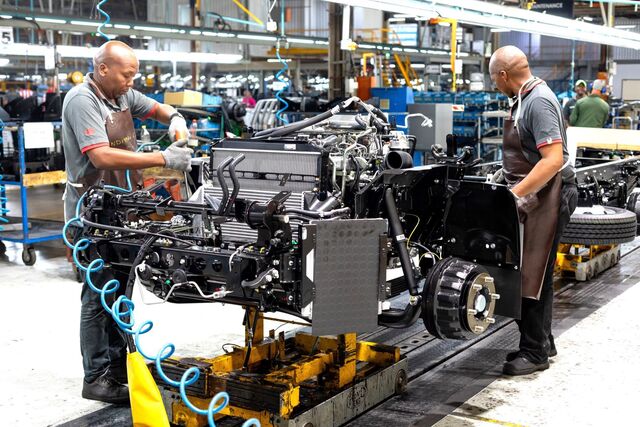
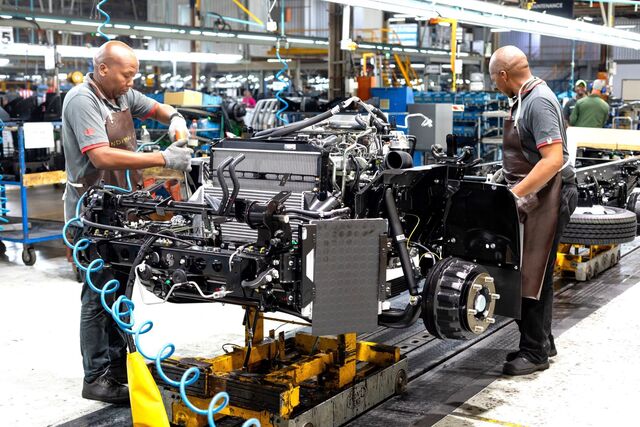
A key element of the project is the enhancement of the chassis and engine sub-assembly areas, together with improvements to the cab marriage process. The chassis line has been extended to accommodate additional workstations, creating room for added production content and more complex assembly requirements.
Revised production layouts and updated tooling have also been introduced as part of the programme. These changes are intended to improve workflow efficiency while enabling the facility to handle a broader range of commercial vehicle applications.
Technology and process upgrades form another major component of the investment. New manufacturing systems have been implemented to improve visibility throughout the production process, while strengthened digital traceability measures allow greater monitoring of vehicles as they move through the assembly line.
The company has also introduced updated tooling and production methods aimed at supporting consistent build quality and reducing inefficiencies within daily operations. The improvements are designed to provide more detailed tracking of manufacturing activities and support quality assurance procedures.
Employee safety and ergonomics were a significant focus during the planning and implementation of the upgrades. New equipment includes lift-assist devices, a fuel-tank gripper, electronic torque tools and a cab-marriage hoist. These additions are intended to reduce physical strain associated with assembly work and improve the handling of components throughout the production process.
Changes have also been made to workstation design, lighting systems and production workflows. Together, these measures are aimed at creating a safer and more practical working environment while improving overall operational efficiency.
The investment further incorporates energy-efficient tools, motors and equipment intended to reduce resource consumption within the manufacturing operation. Workflow improvements have also been introduced to support more efficient use of materials and energy across the facility.
The upgrade programme involved collaboration between employees and engineering teams from across the business, with the various enhancements designed to support both current production requirements and future developments in commercial vehicle manufacturing.