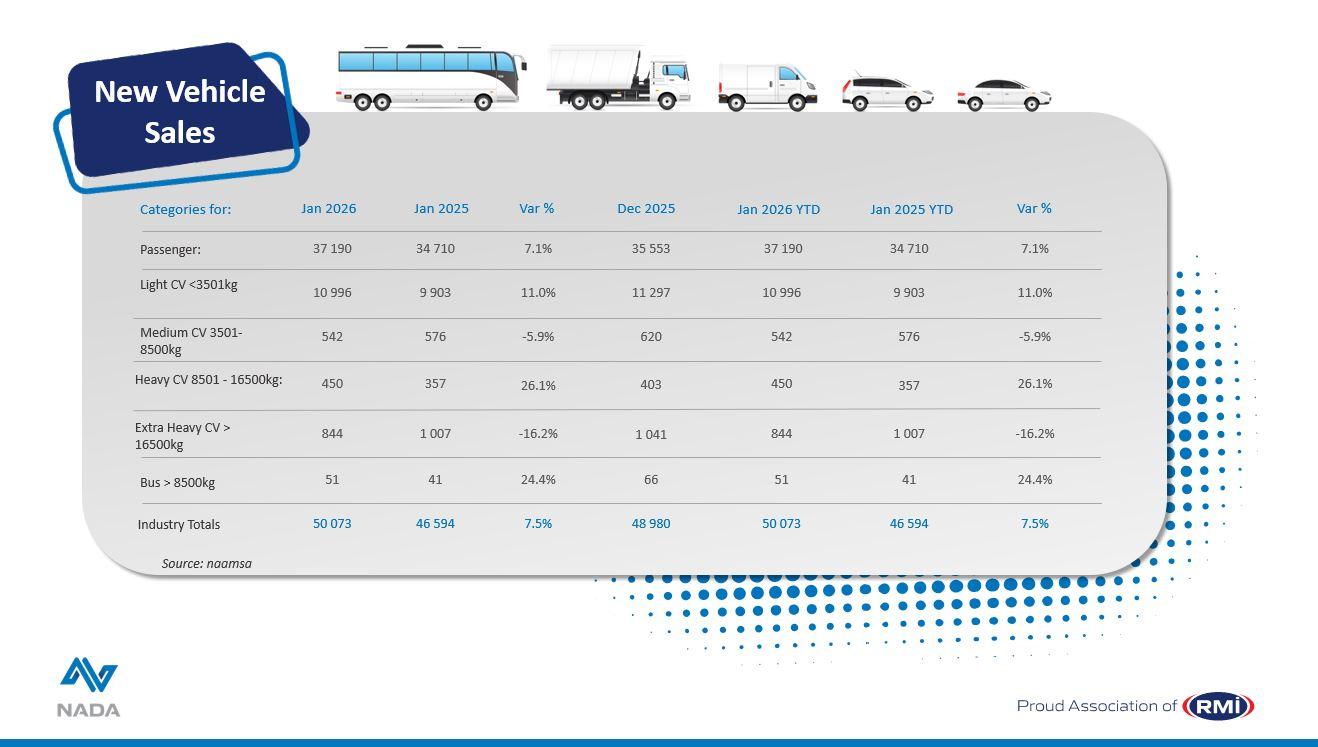
The new car buying trend has continued unabated into the new year, with January figures reflecting a 7.5% increase in total vehicle sales and passenger car volumes rising by 7.1%.
Share with friends
“This is a welcome and encouraging sign for the local motor industry at a time when both the domestic and global economies remain in a state of flux,” says Ryan Seele, executive committee member of the National Automobile Dealers’ Association (NADA), following the release of the latest monthly sales figures by naamsa | The Automotive Business Council.
Ryan notes that January sales figures are traditionally slightly distorted, as many vehicle purchases are concluded in December for delivery in the new year, often supported by year-end incentives from original equipment manufacturers (OEMs).
“While 2025 exceeded most expectations, January has continued with a strong set of numbers, which suggests that these results reflect genuine market momentum rather than a seasonal anomaly,” he says. “January typically sees a moderation in volumes, but this year has clearly proven different.”
He adds that demand continues to be concentrated in the sub-R400 000 price bracket, reinforcing the importance of affordability in the current economic environment. “At the same time, there are still significant waiting lists for some of the more sought-after luxury vehicles, which points to sustained demand across select higher-end segments of the market.”
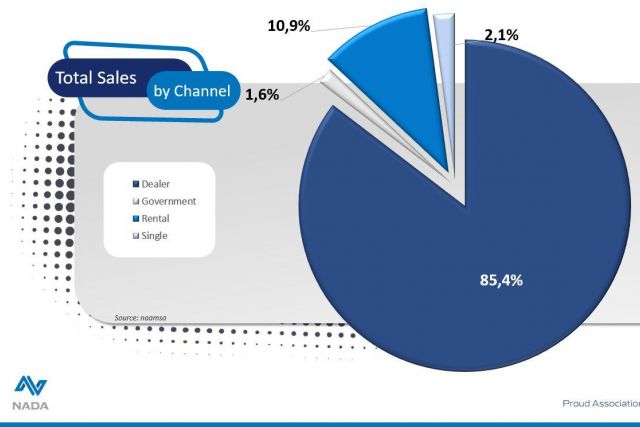
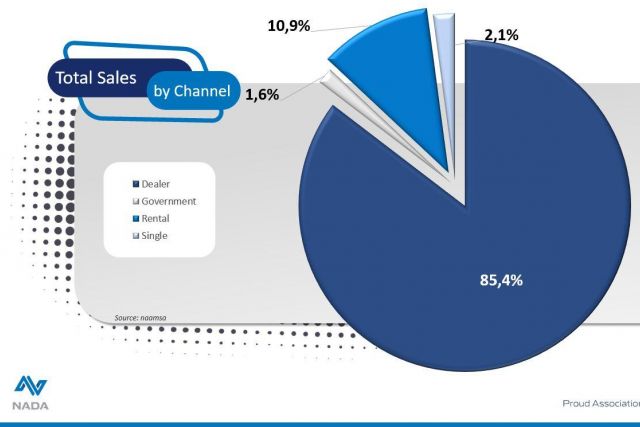
Retail sales channels delivered a solid performance in January, accounting for 85.4% of total vehicle sales. Deliveries to rental companies also recorded growth, contributing 10.9% of overall sales and 13.3% of the passenger car segment.
Total vehicle sales reached 50 073 units in January, representing an increase of nearly 3 500 vehicles, or 7.5%, compared with January 2025. Passenger car sales totalled 37 190 units, reflecting a year-on-year improvement of 7.1%.
Commenting on the interest rate environment, NADA noted that while interest rates were left unchanged by the South African Reserve Bank, stability in borrowing costs continues to provide a degree of certainty for consumers and businesses alike. The organisation reiterated that future interest rate relief would further support vehicle sales.
Additional encouragement for consumers comes in the form of a fuel price reduction effective from 3 February, which is expected to provide some relief to household budgets, ease transport and logistics costs, and contribute positively to overall mobility and vehicle usage levels.
Nissan is reshaping its future by cutting back the number of models it sells globally and putting more focus on electric and hybrid technology as it works to recover from years of financial and operational pressure.
Toyota Motor Corporation and Isuzu Motors are stepping up plans to bring hydrogen power into Japan’s light‑duty truck market, confirming a jointly developed fuel cell model scheduled for production in the 2027 financial year.
Nissan is reshaping its future by cutting back the number of models it sells globally and putting more focus on electric and hybrid technology as it works to recover from years of financial and operational pressure.
Chinese EV newcomer iCAUR is putting its promise of personalisation to the test in South Africa, with the brand now using an influencer-led design competition to show local buyers just how far they can tailor their vehicles to suit their own tastes.