The project aims to deliver Japan’s first mass‑produced hydrogen light truck, targeting fleets that demand high vehicle uptime and long daily operating hours.
The new truck will be built around Isuzu’s ELF EV platform, which entered the market in 2023, paired with Toyota’s latest third‑generation fuel cell system. Rather than focusing on private buyers, the partners are designing the vehicle specifically for commercial use, where reliability, durability and fast refuelling are critical.
Urban and regional delivery work has been identified as the core use case. In Japan, light trucks are often used for supermarket and convenience store supply runs, with many fitted with refrigerated or frozen bodies. These vehicles typically operate for extended periods and may cover substantial distances each day. Under these conditions, long battery charging times can limit productivity, making hydrogen an attractive alternative.
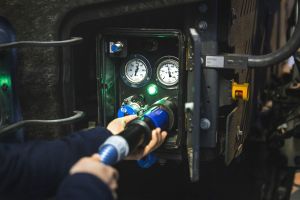
Toyota’s third‑generation fuel cell system has been engineered with commercial vehicles in mind. According to the company, the new stack offers durability on par with diesel engines, around 20 per cent better fuel efficiency than earlier designs, and markedly lower production costs. These improvements are intended to close the gap between fuel cell vehicles and conventional trucks in terms of total operating cost.
Affordability remains a challenge for hydrogen technology, and both partners are addressing it from different angles. Isuzu is working to reduce the cost of the vehicle itself by simplifying structures and improving manufacturing efficiency, while Toyota is focused on cutting the cost of fuel cell production through design changes and higher volumes.
The programme fits neatly with Japan’s wider hydrogen strategy. National and local governments are rolling out subsidies for fuel cell trucks and buses and designating priority regions where refuelling infrastructure and fleet deployment will be concentrated. The goal is to create early demand, reduce fuel costs and support the expansion of hydrogen stations across key logistics corridors.
For Toyota, the truck reinforces its long‑standing belief in a multi‑pathway route to carbon neutrality, where battery electric, hybrid and hydrogen technologies each have a role. For Isuzu, it adds a new zero‑emission option for commercial customers facing growing pressure to decarbonise operations without sacrificing efficiency.