Much of the focus is usually placed on major technologies such as artificial intelligence, central computers, vehicle software platforms and automated driving. However, according to a recent SBD Automotive analysis (an American based global team of specialists in automotive technology), one of the most practical tests of this shift may be found in a very familiar situation: parking.
Parking is a daily challenge for many drivers. Busy shopping centres, narrow streets, tight garages and crowded office car parks can make even short trips stressful. For this reason, parking technology offers carmakers a clear opportunity to show customers how software can make driving easier in real life.
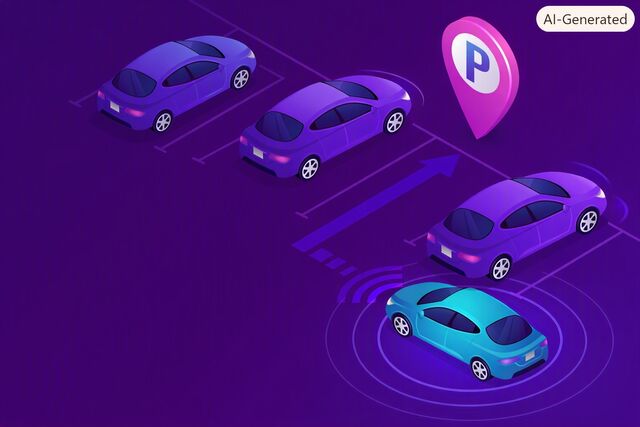
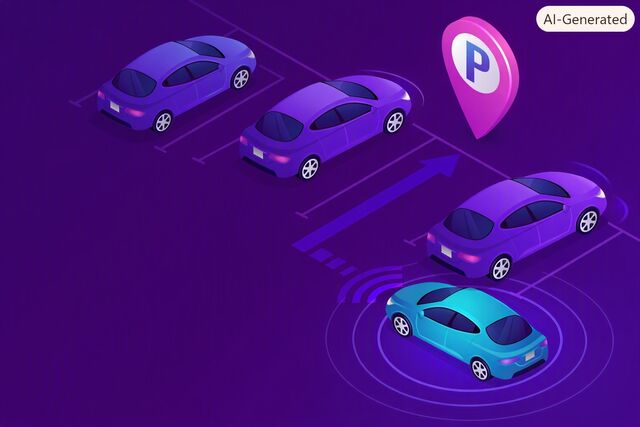
Many cars already offer helpful parking features. Park assist can guide a vehicle into a space, while remote parking allows the driver to move the car from outside using a key or smartphone. Some brands are also testing automated valet parking, where the vehicle can move through a car park with limited driver input. These systems are useful, but most still need close supervision. They often work best in simple or controlled environments and may struggle when conditions change.
This is why developments in China are especially interesting. Several Chinese carmakers and technology companies are treating parking not just as a driver assistance feature, but as a software-based capability that can keep improving. Through sensors, AI, connectivity and over-the-air updates, the vehicle can learn more, react better and take on a larger part of the parking task.
Huawei ADS and AITO have shown how automated valet parking can work in a more complete way. A driver can stop at a drop-off area, get out of the car and allow the vehicle to find a parking space by itself. Later, the car can be called back. This changes the experience from helping the driver park to allowing the driver to hand over the job.
NIO is also pushing this idea forward with remote parking and memory parking. Remote parking allows the driver to park or retrieve the car using a smartphone. Memory parking lets the vehicle learn familiar routes, such as the path through a home garage or workplace car park, and repeat them automatically. These features make parking feel less like a single function and more like part of a wider intelligent driving experience.
New vehicle designs are helping too. Four-wheel steering and advanced electric vehicle platforms allow cars to move in ways that traditional vehicles cannot. Some can make very precise low-speed movements or even shift sideways into difficult spaces. These features may look impressive, but they also solve real problems in tight urban areas.
For carmakers, advanced parking is a useful proving ground for the software-defined vehicle. It brings together perception, planning, vehicle control, cloud services and software updates in a low-speed environment. That makes it easier to test and improve than high-speed automated driving.
Parking could also become a source of new revenue through paid upgrades, connected services, charging support and payment features. More importantly, customers can see and feel the