Dealer principals were not surprised that Finance Minister Tito Mboweni did not even mention a call by the auto trade to lower taxes on new vehicles in his 2020 medium-Term Budget Policy Statement.
Share with friends
Instead DPs and Sales Managers are braced for government to extract even more revenue from long-suffering motorists.
Naamsa in September sent a proposal to government to show how lowering taxes on cars to 35% and 38% could lead to over 28,000 new sales, some 4,000 new jobs in the auto trade and additional revenue for the fiscus.
But instead of less taxes, Mboweni warned both the general fuel levy and RAF tax could be raised in 2021 to recoup the losses government inflicted on SA’s economy with some of the strictest lockdown measures in the world. The General Fuel and Road Accident Fund levies currently add some 40% to every litre of fuel sold. With all the levies and duties on fuel added, a motorist pays roughly R300 in taxes on every 50 liters of fuel.
This after government had in May quietly increased the tax on double cab bakkies and both increased and extended the CO2
emissions tax on small cars, causing price increases on these two popular segments at the height of lockdown. The emissions tax on SA’s top-selling passenger car, the VW Polo Vivo, more than doubled from just over R3,400 in May to around R7,200 in April.
Currently, the total taxes on a new car add up to 18,5% for an entry-level vehicle and shoots up to almost half the vehicle’s asking price (45%) for cars with a selling price over R850 000.
Naamsa chief executive Mikel Mabasa stated that removing the carbon dioxide emissions tax and reducing the ad valorem levy — a tax on items considered a luxury in Mzansi — could boost new vehicle sales by almost 28,400.
Naamsa’s presentation showed changes just two taxes on vehicles could create some 4,000 jobs across the industry. Removing the sales tax would result in an additional R1 billion for treasury, while the reduction in the ad valorem tax would have a neutral impact, as higher sales would offset the lower rate of tax per vehicle.
‘High taxes always create a demand for contraband’
Discussing car sales on Moneyweb, head Strategy and Business Analytics at Absa Vehicle Finance Consumer Henry Both pointed out another danger raised by Naamsa after radio host Ryk van Niekerk pointed out high taxes always create a demand for contraband, which in South Africa means people driving “grey imports” from neighbouring countries.
Botha agreed that this is a big worry. Naamsa estimates that 30 000 used vehicles are illegally imported to South Africa a year, with current estimates that some 300 000 of South Africa’s 12,7 million cars are these “gray imports”.
This 2005, automatic 2,5-litre Nissan Elgrand V has 86,000 km on its odo and is for sale at about R70,000 in Mbabane, Swaziland, a price that makes this minivan very attractive for over-taxed drivers over the border.
Botha said while cars arrive at bonded warehouses in Durban and Cape Town destined for export to the rest of Africa, many vehicles remain behind. “I hope it is something our government and police will do something about. These cars are just dumped in SA and can have a big shock on our job numbers,” Botha said.
He said half a dozen taxes were levied on each new car, including 15% Vat, import duties, ad valorem tax, the tyre levy, the CO2
emissions levy and more recently an export levy, which has Naamsa hot under the collar.
In their report, Mabasa stressed that no other country adds an export levy and this could potentially lead to fewer vehicle exports from South Africa, which will negatively impact on the industry foreign exchange earnings and trade balance.
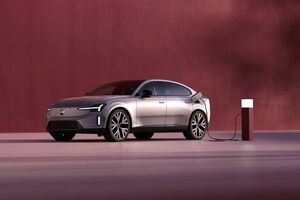
Charging time remains a worry for many South Africans considering an electric vehicle, who still see it as a disruption rather than a quick stop at a filling station. That view is starting to shift.
The winners of the 2026 Automotive Business Council | naamsa Accelerator Awards were announced at the recently held Auto Week 2026, which took place in eThekwini, KZN.
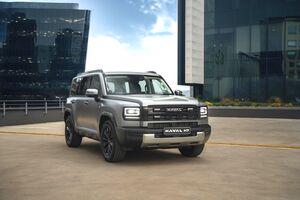
GWM has expanded its local SUV line-up with the introduction of the all-new Haval H7. Replacing the outgoing model, the newcomer blends boxy styling, advanced technology and a choice of petrol, hybrid and plug-in hybrid powertrains, giving buyers a versatile family SUV with genuine all-terrain credentials.
The winners of the 2026 Automotive Business Council | naamsa Accelerator Awards were announced at the recently held Auto Week 2026, which took place in eThekwini, KZN.
With the steep rise in fuel prices since March this year leading to historic record highs following massive increases in October, the government intervention annouched this week, is widely welcomed.
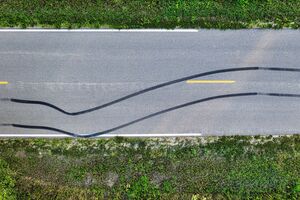
Most motorists will go their entire driving lives without deliberately pushing their vehicle to the limits of adhesion. Yet a sudden downpour, a patch of gravel, standing water or simply carrying too much speed into a bend can quickly expose the limits of a vehicle's grip.