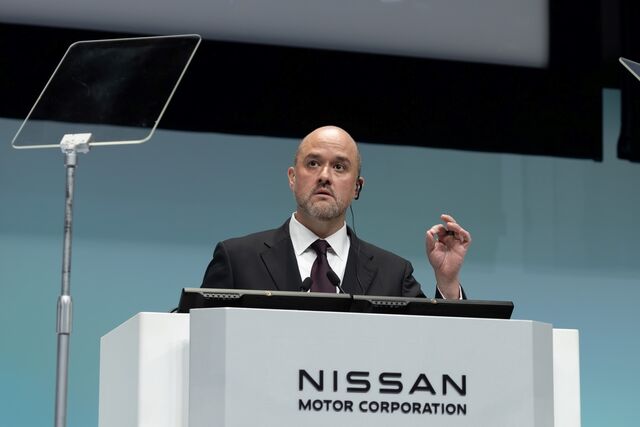
Ivan, who became chief executive in April 2025, has made the US central to his revival strategy. Nissan’s market share there is just above six per cent, down from around nine per cent a decade ago. The 47‑year‑old Mexican national has been frank in his assessment that Nissan lost direction in the US by chasing volume at the expense of quality and brand image.
For much of the past decade, Nissan relied on steep discounts to boost sales, a tactic that dealers say damaged resale values. The company also sold aggressively to rental fleets, which Espinosa believes cheapened the brand. “Before, it was like, okay, we want volume, volume, volume. This is not a good way of operating a car company,” he told Reuters, adding that he intends to largely avoid the rental market.
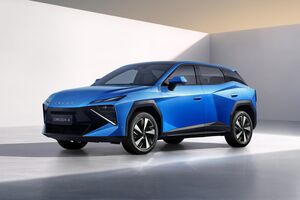
He is now focused on healthier growth, emphasising vehicle quality. Nissan recently performed strongly in a JD Power survey of new vehicle owners, and the company is preparing a wave of new models to support its rebound. Among them is a hybrid version of the Rogue compact SUV, Nissan’s top seller, due later this year. Espinosa admits the company missed an opportunity in hybrids, which have surged in popularity amid higher fuel prices linked to the Iran war.
The product plan also includes rugged SUVs built on truck‑like frames, with the return of the Xterra, a model last sold in the US in the mid‑2010s. Espinosa sees such vehicles as a way to reconnect with customers seeking durability and capability.
The US push forms part of a broader revival programme. Nissan is cutting its global manufacturing footprint and workforce by 15 per cent to control costs. It is also exploring partnerships to advance vehicle technologies, following the collapse of merger talks with Honda.
Ivan’s approach signals a shift from chasing sheer volume to rebuilding Nissan’s reputation and competitiveness in the American market.