

TVS powers South Africa’s growing delivery economy
South Africa’s rapidly expanding delivery sector is driving strong demand for affordable, dependable motorcycles that can withstand the demands of daily commercial use.
- Product News
- 20 November 2026
While the decision to keep the repo rate unchanged offers a degree of short-term stability, if current global events continue for the long term, the prospects for a prolonged high-interest rate environment will place significant pressure on consumer affordability and, in turn, vehicle retail activity.

So says the National Automobile Dealers’ Association (NADA) about the South African Reserve Bank’s (SARB) decision to keep the rate unchanged, reflecting a cautious stance in an environment of ongoing economic and geopolitical uncertainty.
Encouragingly, dealers are seeing sustained levels of engagement in the market. Prospective buyers are submitting finance applications and demonstrating clear intent to purchase.
While many had previously delayed final commitments amid uncertainty around interest rates, the decision to hold is expected to provide the clarity needed for consumers to start moving ahead with purchases.
“There is evident appetite in the market, and this decision may help unlock some of it,” says Brandon Cohen, NADA Chairperson. “Consumers have done the groundwork and, with greater certainty on rates in the near term, we expect more of them to proceed with their purchase decisions.”
Looking ahead, NADA expects interest rates to remain on hold in the near term. The timing of any potential rate movements will depend on improved clarity around global factors, particularly oil prices and supply availability and geopolitical developments. While a meaningful easing in these risks could reopen the window for rate reductions, the threshold for cuts has, for now, become significantly elevated.
The association emphasises that South Africa’s dealer network continues to demonstrate resilience despite constrained trading conditions. Greater economic certainty and eventual monetary easing will be critical in unlocking pent-up demand and supporting growth in vehicle sales.

South Africa’s rapidly expanding delivery sector is driving strong demand for affordable, dependable motorcycles that can withstand the demands of daily commercial use.
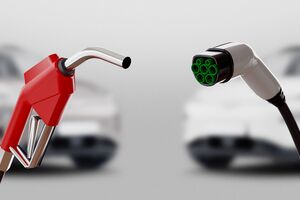
One of the main results of the 2026 Global EV Driver Survey, released by the Global EV Alliance (GEVA) this week, show that South African battery electric vehicle (EV) drivers are among the most satisfied in the world.
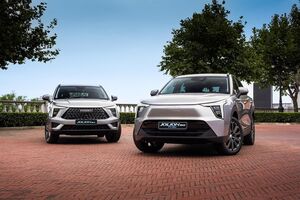
GWM South Africa has broadened its popular Jolion range with the introduction of the all-new Haval Jolion Max. Designed with modern families in mind, the newcomer combines increased interior space, new technology and a wider choice of powertrains, including petrol, hybrid and plug-in hybrid options.
 Advertisement
I have bad reflexes. I was once run over by a car being pushed by two guys
Woody Allen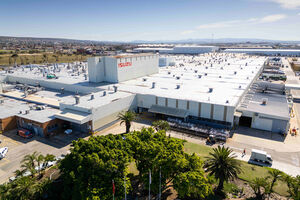
Isuzu Motors South Africa (IMSAf) has achieved a 38% reduction in Scope 1 and Scope 2 CO₂ emissions compared with its 2013 baseline while increasing vehicle production by 21% during the 2025/26 financial year at its Gqeberha manufacturing facility.

Diversifying oil supplies, investing in pipelines and rail infrastructure, improving port operations and expanding inland storage facilities are among the measures needed to reduce South Africa's vulnerability to international fuel supply disruptions.

Combined Motor Holdings (CMH) has appointed Charles Webber as the new Group CEO.