A new model might take four or five years to move from concept to showroom, passing through layers of engineering validation, supplier negotiation and executive review. That rhythm now looks increasingly out of step with a market shaped by electric vehicles, software updates and aggressive Chinese competition.
Nissan’s decision to halve its development cycle is therefore not simply an internal reform but part of a wider rethinking of how cars are created. Chief Executive Ivan Espinosa wants future Nissan models to be developed in around 30 months, rather than the roughly 55 months required by some recent programmes. The next-generation Skyline, due before the end of 2026, is expected to demonstrate the new system after being completed in just 26 months.
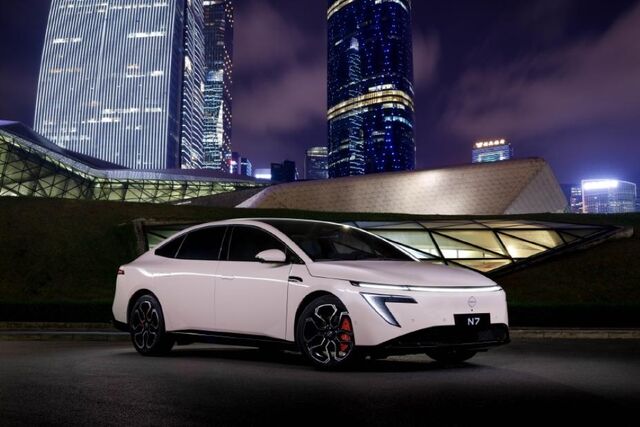
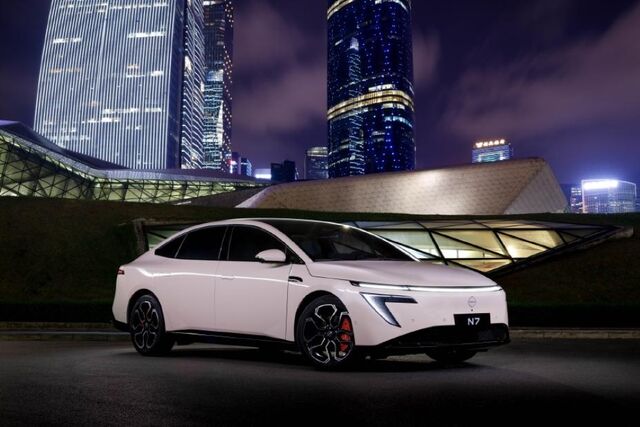
The clearest influence is China. Nissan’s joint venture with Dongfeng delivered the Dongfeng Nissan N7 electric vehicle in about two years, giving the Japanese company a direct example of what faster working methods can achieve. Ivan has recognised China as a benchmark for technology, cost control and development time. That is a significant shift for an established Japanese manufacturer, because it shows that speed is no longer being dismissed as a shortcut. It is being treated as a competitive capability.
The tools behind this shift are digital. Artificial intelligence, simulation and virtual testing can reduce reliance on repeated physical prototypes, while allowing engineers to test designs earlier and make decisions with more confidence. Platform sharing also plays a major role. Nissan plans to base 80% of global sales on three vehicle families, using common chassis and components to reduce duplication. In theory, this allows engineers to spend less time reinventing the structure beneath the car and more time refining the features customers actually notice.
Nissan is not alone. Stellantis plans to simplify its range around the STLA One modular platform from 2027, targeting cost savings and broader component sharing. Volkswagen is trying to reduce development time from about 50 months to 36, while Renault managed to develop the Twingo E-Tech in only 21 months. Across the industry, the same lesson is emerging: a car that takes five years to develop can arrive feeling dated, particularly when Chinese rivals can update technology and features far more quickly.
The risk is that speed becomes an excuse for cutting corners. Nissan must show that shorter timelines can still deliver reliability, safety and brand character. If it manages that balance, the next Skyline could represent more than a faster product launch. It could mark a new operating model for one of Japan’s most important carmakers.