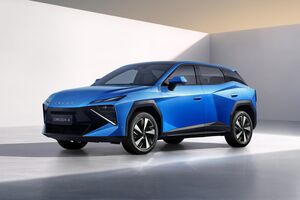
Hyundai Motor is preparing an aggressive comeback in China, unveiling plans to launch 20 new vehicles over the next five years as it tries to rebuild its position in the world’s largest car market.
Share with friends
The South Korean manufacturer, alongside affiliate Kia, remains one of the world’s biggest carmaking groups by sales, but its presence in China has weakened sharply in recent years as local electric vehicle brands such as BYD and Xpeng surged ahead with faster innovation and stronger pricing.
Speaking at the 2026 Beijing Auto Show, Hyundai described the strategy as its most ambitious product expansion in China to date. The programme will be delivered with joint venture partner Beijing Automotive Group and centres on a strong localisation drive aimed at better matching Chinese consumer expectations.
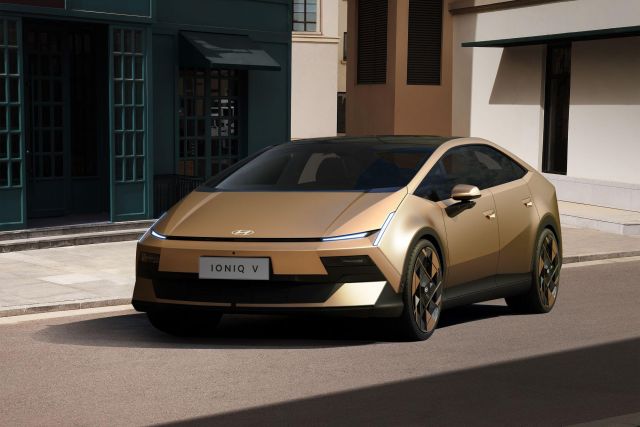
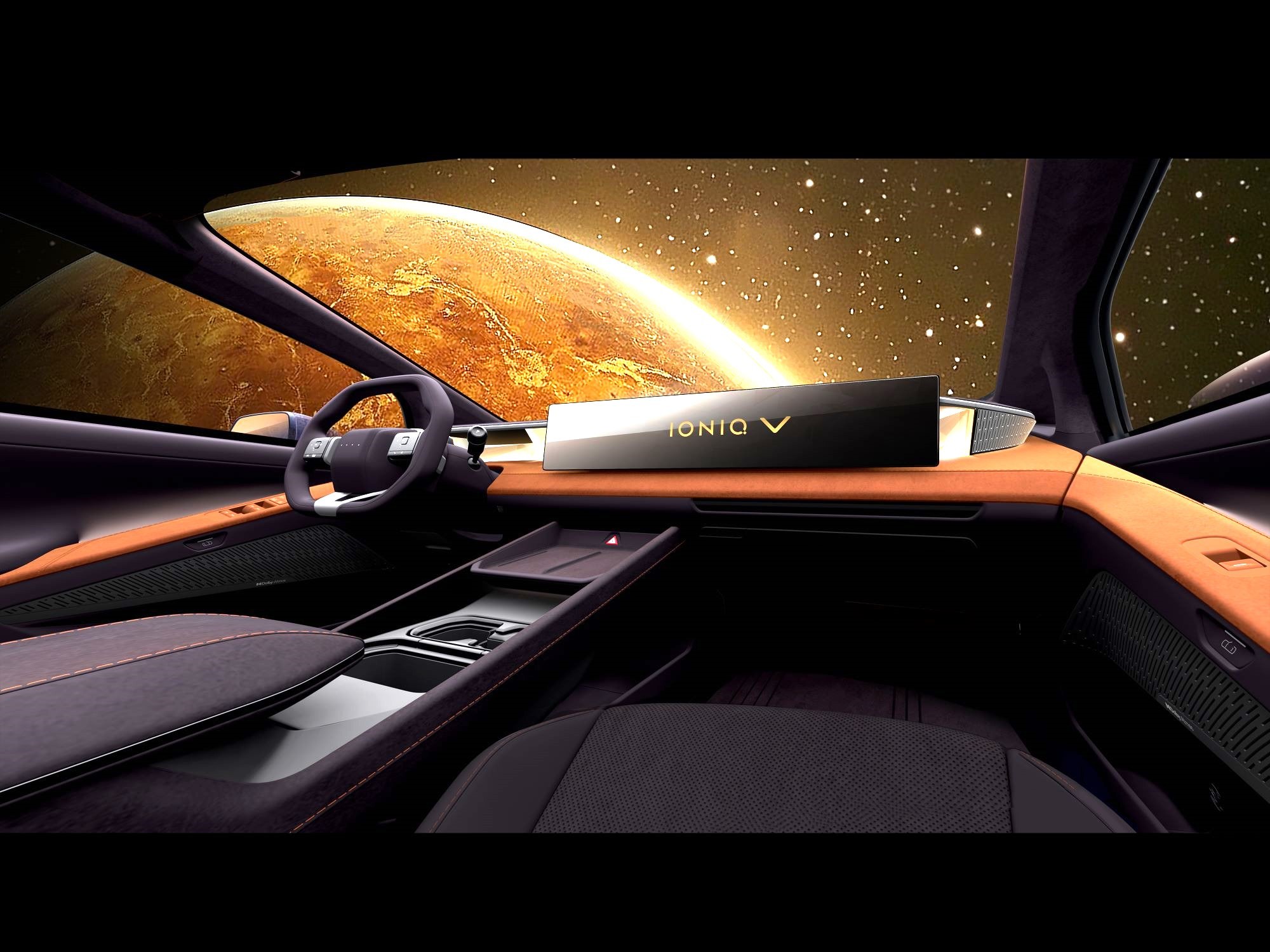
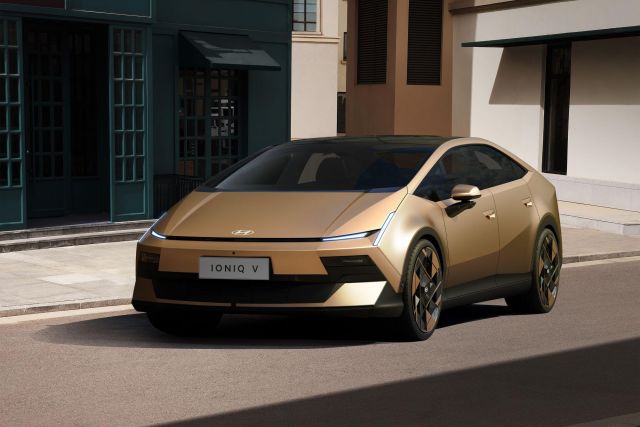
A key part of that push is the debut of the China-only IONIQ V, a battery-electric model designed specifically for local buyers. The vehicle uses technology from Momenta, a Chinese specialist in automated driving systems, highlighting Hyundai’s decision to rely more heavily on domestic technology partners. Another SUV is also scheduled for launch in the first half of next year.
Hyundai has also reaffirmed its annual sales target of 500,000 vehicles in China, more than double its current volume. Reaching that figure will depend on more than just fresh models. Buyers in China increasingly prioritise advanced driver assistance, connected cabin technology and battery performance, areas where domestic manufacturers have moved quickly.
To strengthen its competitiveness, Hyundai is expanding cooperation with both Momenta and battery giant CATL. This mirrors a wider trend among international carmakers, many of which are turning to Chinese battery and software firms to speed up development and meet local regulations more effectively.
With China now setting the pace for global EV innovation, Hyundai’s renewed offensive is less about defending old ground and more about proving it can still compete in the market shaping the future of motoring.
Charging time remains a worry for many South Africans considering an electric vehicle, who still see it as a disruption rather than a quick stop at a filling station. That view is starting to shift.
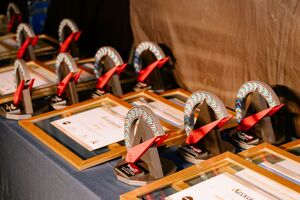
The winners of the 2026 Automotive Business Council | naamsa Accelerator Awards were announced at the recently held Auto Week 2026, which took place in eThekwini, KZN.
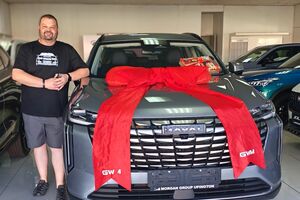
When Cobus Coetzee (photo) accepted the opportunity to join the Morgan Group in Upington, he had to weigh up more than a new position. The move meant exchanging the West Coast’s cooler climate and seaside lifestyle for the Northern Cape’s desert heat, while taking responsibility for a multi-franchise operation spread across several premises.
The winners of the 2026 Automotive Business Council | naamsa Accelerator Awards were announced at the recently held Auto Week 2026, which took place in eThekwini, KZN.
With the steep rise in fuel prices since March this year leading to historic record highs following massive increases in October, the government intervention annouched this week, is widely welcomed.
Omoda has confirmed that the new C4 will become the first model from the Chery Group to be built in South Africa, with production set to take place at the company's Rosslyn manufacturing facility in Gauteng.