Ford SA marks second century with bold industry manifesto
Ford Motor Company of Southern Africa has released a new corporate manifesto that sets out its commitment to the country, its customers and its dealer network, alongside a renewed push to champion industrialisation as central to South Africa's future.
Share with friends
Neale Hill, President of Ford Motor Company, Africa Operations, says the release marks a deliberate moment for the company. He says that Ford is drawing a line in the sand, declaring that its intention for its second century in South Africa is to be an unwavering champion of industry and industrialisation as drivers of shared value. He calls on government, industry bodies and stakeholders to come together so that local automotive manufacturing can compete on a fair, strong and level playing field, both domestically and globally.
Neale acknowledged that milestone moments often invite reflection on the past but says this was not the intention behind the manifesto. He says that as the industry faces one of the most existential shifts in its lifetime, Ford must move beyond simply honouring its history and instead bring absolute clarity to its vision for the future.
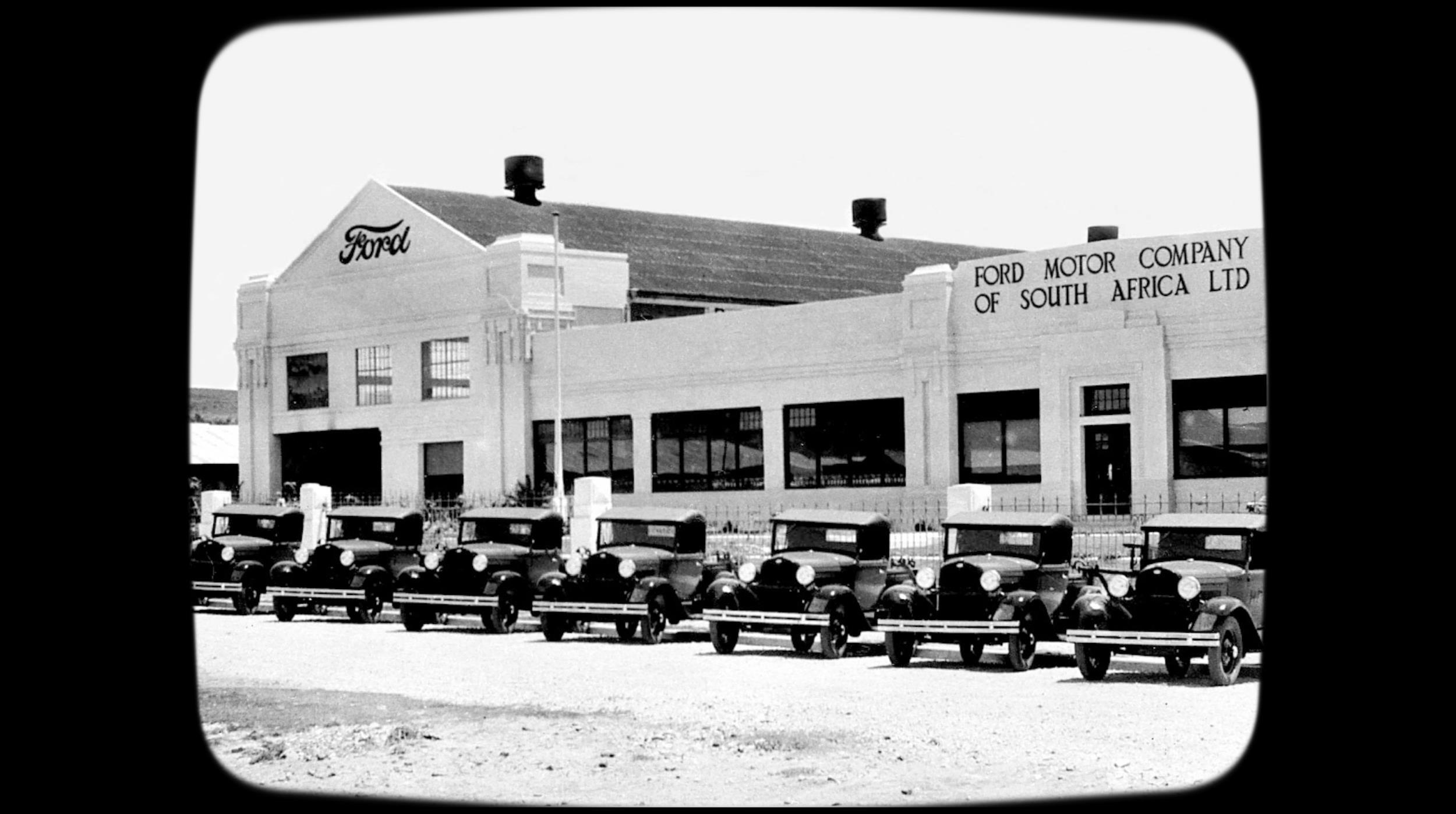
"Many companies can claim to be invested corporate citizens, but few can back this up with proven actions that cut across generations. This manifesto is not a 'marketing moment'; it's a purposeful signal from Ford that we're shifting from being focused on a milestone to an absolute and sustained focus on driving national momentum. We're making the strongest promise we can as the oldest OEM in our country," he states.
A call for fairness:
Beyond the sentiment, the manifesto carries a pointed policy message. "Ford South Africa has never simply been a manufacturer operating within this country, we are, and have always been, a builder of industry, of skills, of communities and of national capability," according to Nearle.
"This manifesto is our declaration to South Africa: we will continue to invest, to build and to employ. Equally we will continue to support the need for policy and regulatory conditions that allow local manufacturers to compete fairly against those who simply import vehicles into this market."
He says the manifesto calls on government, industry bodies and stakeholders to work together to close this gap, including through the ongoing development of programmes such as the second phase of the Automotive Production and Development Programme (APDP2), so that companies investing capital, creating jobs and building local skills are not placed at a structural disadvantage to those who do not.
He says Ford is actively engaged in these discussions, because the future of the industry, and the hundreds of thousands of livelihoods that depend on it, relies on getting this balance right. He adds that it is not about protectionism for its own sake. “It is about ensuring that the enormous investments already made in this country are not undermined by uneven operating realities."
A call to action:
He says the manifesto also calls on government, policymakers, industry partners and fellow manufacturers to advocate for a regulatory framework that supports local industrialisation, protects existing investment and creates the conditions for continued growth. He says a fair and level playing field is essential for the millions of South Africans whose livelihoods depend on a thriving local automotive industry.
Neale says the manifesto will roll out across brand, dealer and internal communications channels. "It is the most visible commitment we can make that says Ford South Africa remains committed to building on its century long legacy, and to being a vocal, active and consistent advocate for an automotive industry that is strong, competitive and built to last in South Africa, for South Africa and built by South African hands.”
Charging time remains a worry for many South Africans considering an electric vehicle, who still see it as a disruption rather than a quick stop at a filling station. That view is starting to shift.
The winners of the 2026 Automotive Business Council | naamsa Accelerator Awards were announced at the recently held Auto Week 2026, which took place in eThekwini, KZN.
When Cobus Coetzee (photo) accepted the opportunity to join the Morgan Group in Upington, he had to weigh up more than a new position. The move meant exchanging the West Coast’s cooler climate and seaside lifestyle for the Northern Cape’s desert heat, while taking responsibility for a multi-franchise operation spread across several premises.
The winners of the 2026 Automotive Business Council | naamsa Accelerator Awards were announced at the recently held Auto Week 2026, which took place in eThekwini, KZN.
With the steep rise in fuel prices since March this year leading to historic record highs following massive increases in October, the government intervention annouched this week, is widely welcomed.
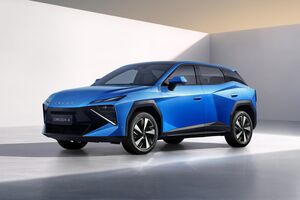
Omoda has confirmed that the new C4 will become the first model from the Chery Group to be built in South Africa, with production set to take place at the company's Rosslyn manufacturing facility in Gauteng.