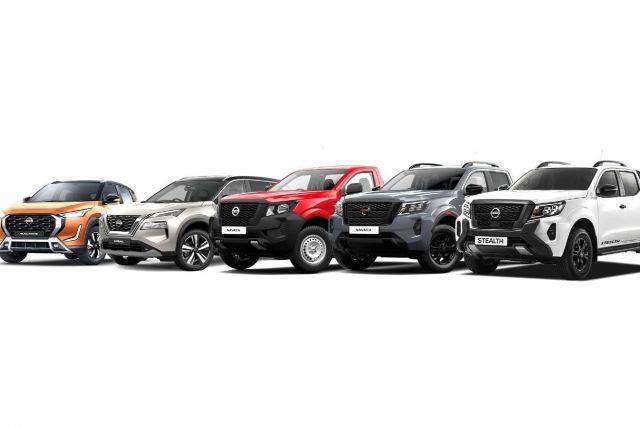
A history of local vehicle manufacturing comes to an end with Nissan’ South Africa’s announcement that it is selling its Rosslyn plant in Pretoria to Chery.
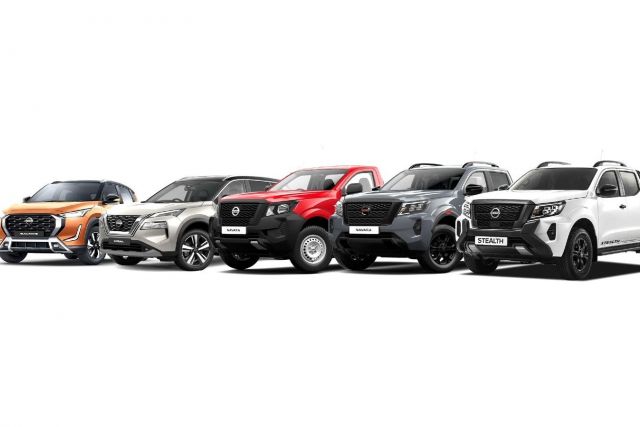
No more locally build Nissans. Going forward all Nissans will be imported. After the demise of the popular small bakkie, the Nissan NP200, it was only the Navara bakkie that was built in Rosslyn for the local and export markets.
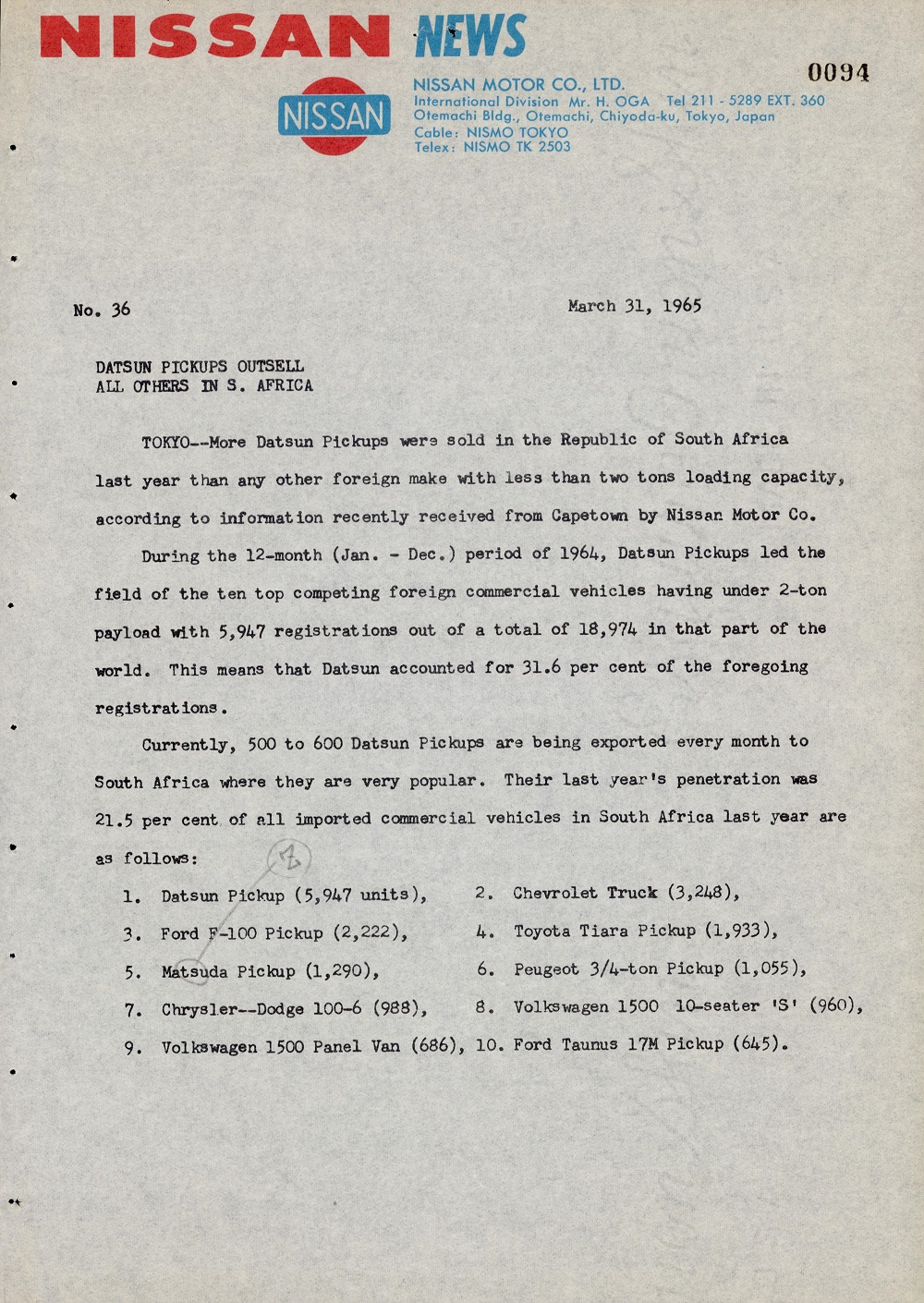
In the sixties the first Nissans – then known as Datsun - were imported to South Africa and in 1966 local manufacturing started with the opening of the Rosslyn plant outside Pretoria that eventually would become one of the landmarks of local vehicle manufacturing in the country for decades to come.
Datsun and later Nissan manufacturing timeline:
1958: The Datsun Bluebird made its local debut at the Pretoria Show, signalling the brand's entry into the market.
1963: Formal operations began with the importation and local assembly of Completely Knocked Down (CKD) vehicles.
1965–1966: Large-scale local assembly of Datsun vehicles officially commenced at the Motor Assemblies plant. The Rosslyn facility officially opened in 1966.
1971: The iconic Datsun 1200 bakkie (pick-up) was launched. This model would later be built exclusively in South Africa for 37 years, eventually becoming the legendary Nissan 1400.
1973: The company was renamed Datsun Nissan South Africa Ltd., focusing on producing Nissan-engineered products under the Datsun brand name.
1983: The official name changed from Datsun to Nissan occurred. The organization dropped the Datsun banner entirely to become Nissan SA.
2014: The Datsun brand was briefly revived in South Africa as an entry-level brand with the launch of the Datsun GO and GO+ models, before being phased out again by 2022.
Key milestones of models manufactured in Rosslyn:
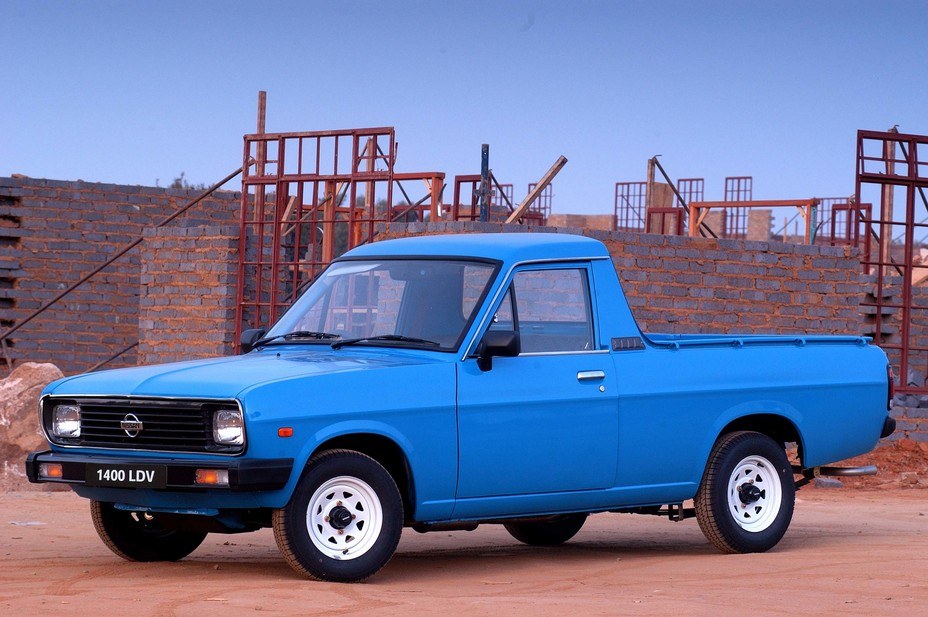
1. Nissan/Datsun 1400 (1971-2008) - Total production between 275 000 and 285 000 units. This was South Africa's longest-serving vehicle model.
The iconic Datsun and later Nissan 1400 bakkie.
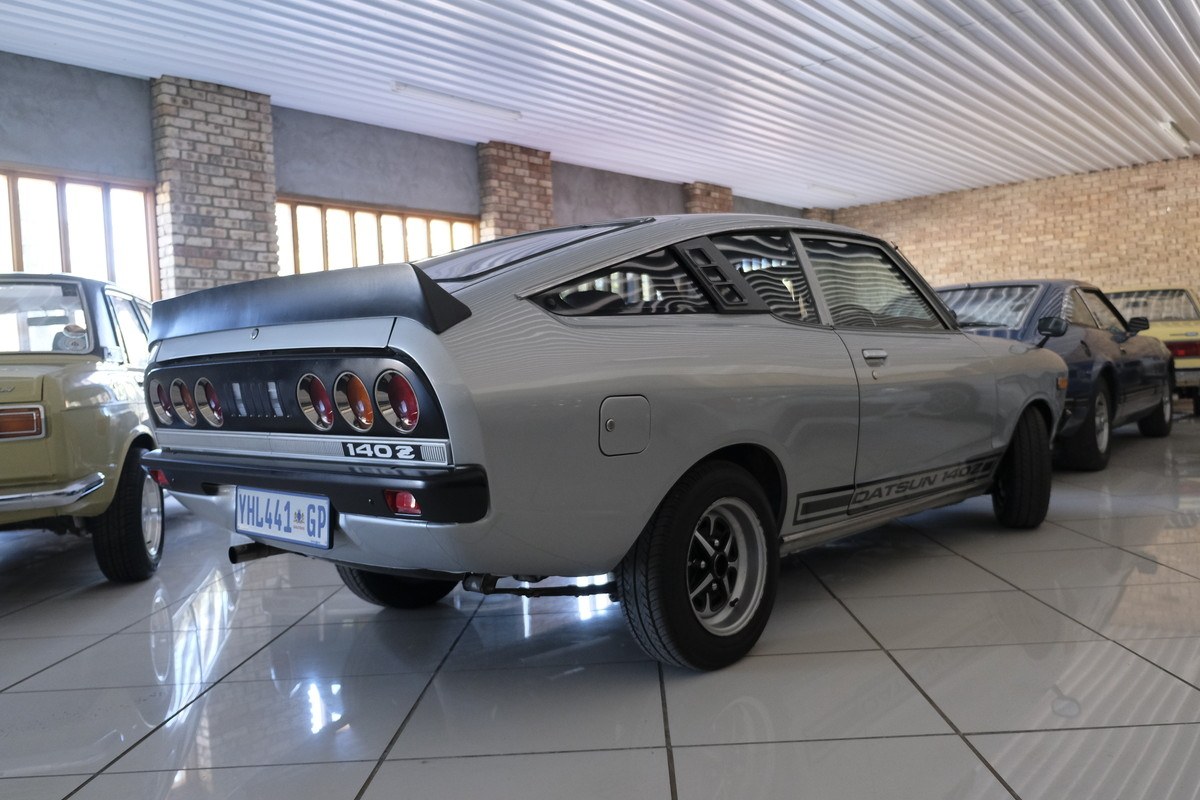
2. Datsun 140Z and 160Z (Mid-1970s to 1980) - Total production: Approximately 306 Datsun 140Zs were built as homologation specials (around 150 in 1977/78 and another batch later), and only 241 Datsun 160Zs were produced in 1978-1979 as a limited run. The 140Z was a homologation special for racing, while the 160Z followed its success, both being unique South African models according to reports.
Another unique icon, the Datsun 140Z.
3. FIAT Uno (1990-2005): Total production around 116 000 units. It was manufactured under license from FIAT.
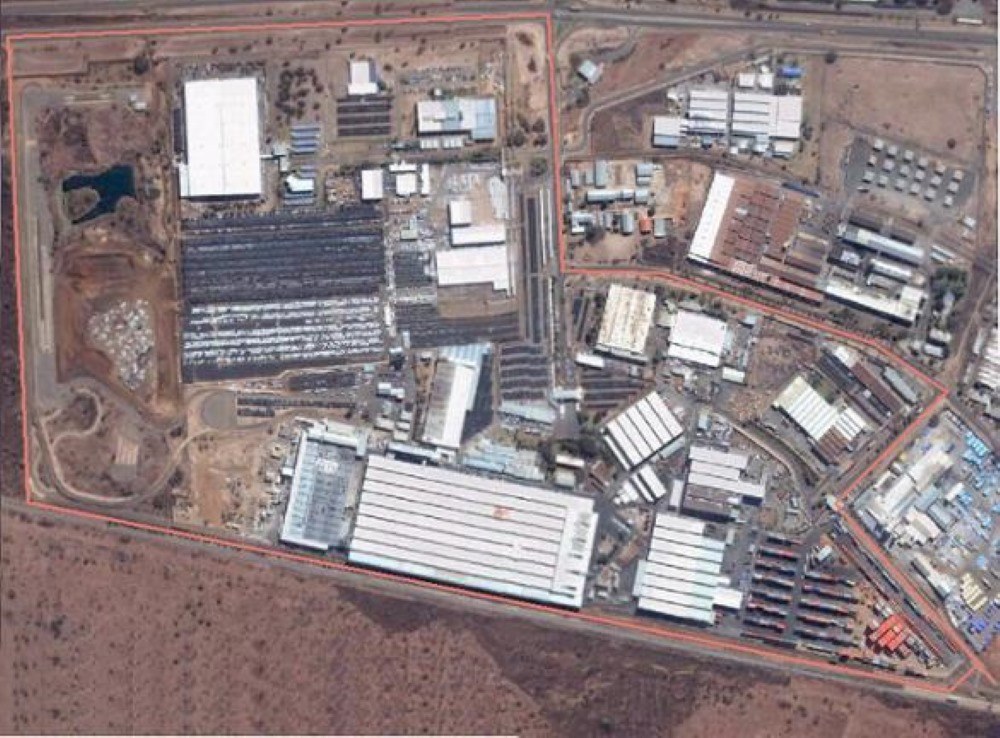
Nissan Rosslyn from the air in 2014.
4. FIAT Palio, Siena, Strada
(1999-2005): The production period started in 1999 for Palio, in 2000 for Siena and in 2005 for the Strada bakkie. Total production: Not available.
Back in the days when Datsun bakkies use to outsell everyone else.
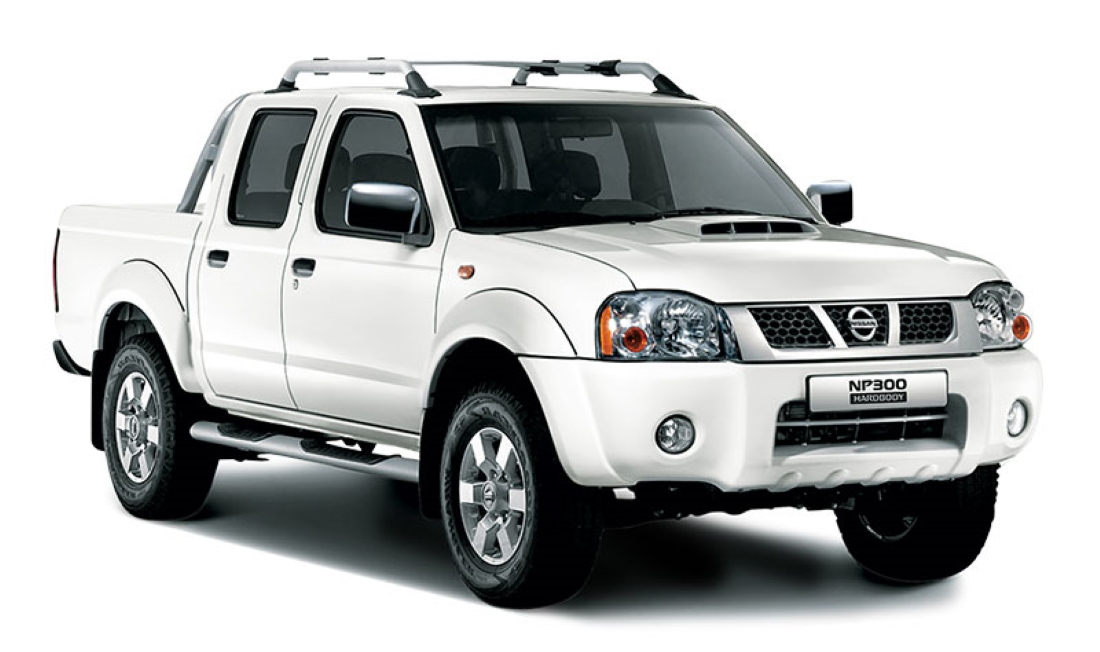
5. Nissan NP300 Hardbody: 1988 to 2021: Total production around 450 000: The NP300 was a continuation of the old Nissan Hardbody, bigger than the NP200 and cheaper than the Navara.
The Nissan NP300.
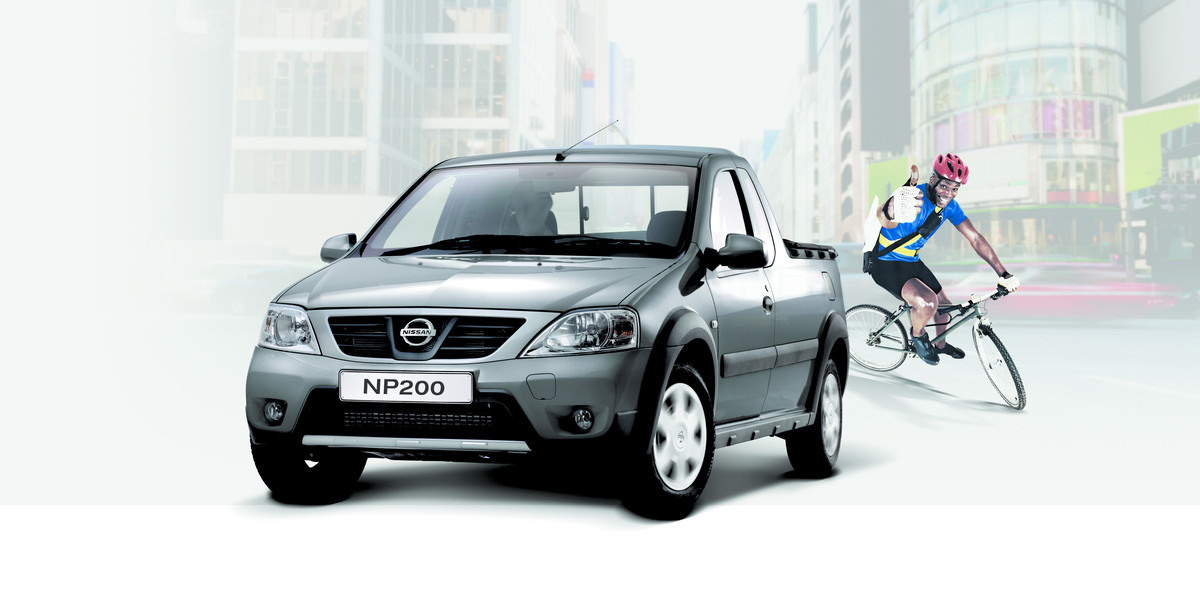
6. Nissan NP200 (2008-2024): Annual sales were approximately 10 000 to 15 000 units per year in South Africa. In its final month of production during March of 2024 some 2 679 units were manufactured. It is said that the NP200 replacement was cancelled due to Russian-Ukraine war.
The Nissan NP200.
7. Nissan Navara (2021-Present): Total production: 2023: Nearly 25 000 units, 2024: Under 20 000 units and in 2025 (first 4 months) approximately 4 939 units (1 838 local + 3 101 exported)
The Rosslyn plant was designed to produce 35 000 units initially, then increased by 30 000 units when Navara production was added (bringing total to 65 000), but the effective optimal capacity is 50 000 units, also the threshold needed to maximize government incentives under the Automotive Production and Development Programme (APDP).
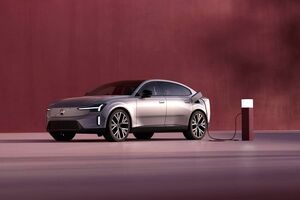
Charging time remains a worry for many South Africans considering an electric vehicle, who still see it as a disruption rather than a quick stop at a filling station. That view is starting to shift.
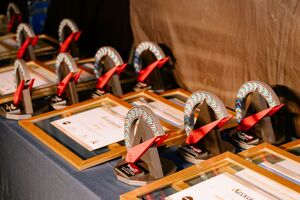
The winners of the 2026 Automotive Business Council | naamsa Accelerator Awards were announced at the recently held Auto Week 2026, which took place in eThekwini, KZN.
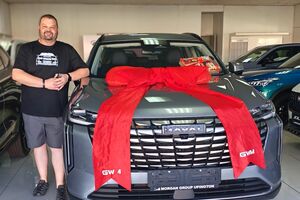
When Cobus Coetzee (photo) accepted the opportunity to join the Morgan Group in Upington, he had to weigh up more than a new position. The move meant exchanging the West Coast’s cooler climate and seaside lifestyle for the Northern Cape’s desert heat, while taking responsibility for a multi-franchise operation spread across several premises.
The winners of the 2026 Automotive Business Council | naamsa Accelerator Awards were announced at the recently held Auto Week 2026, which took place in eThekwini, KZN.
With the steep rise in fuel prices since March this year leading to historic record highs following massive increases in October, the government intervention annouched this week, is widely welcomed.
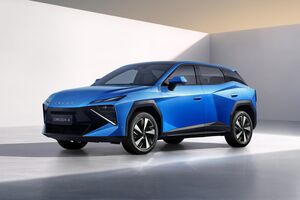
Omoda has confirmed that the new C4 will become the first model from the Chery Group to be built in South Africa, with production set to take place at the company's Rosslyn manufacturing facility in Gauteng.