

TVS powers South Africa’s growing delivery economy
South Africa’s rapidly expanding delivery sector is driving strong demand for affordable, dependable motorcycles that can withstand the demands of daily commercial use.
- Product News
- 20 November 2026
Australia’s growing love affair with oversized bakkies (or Utes as they are known Down Under) has sparked a fresh safety review by ANCAP (Australasian New Car Assessment Program). This time, it is not just about surviving a crash, but avoiding one altogether.
Concerns over the size and weight of these utes, especially in suburban areas and near schools, led the authority to examine how well-advanced driver-assistance systems (ADAS) protect pedestrians, cyclists and smaller vehicles.
The study compared heavy hitters like the Chevrolet Silverado 1500, RAM 1500, Toyota Land Cruiser 79 Series, Toyota Tundra and the latest Ford F-150. Instead of focusing solely on crashworthiness, ANCAP assessed the sophistication of each model’s crash-avoidance tech. The Ford F-150 topped the list with its comprehensive ADAS suite, followed by the RAM 1500. Toyota’s offerings were middling, while the Silverado lagged behind.
ANCAP says these findings will shape a new framework for rating large pickups, with further crash tests planned from 2026. The message is clear: toughness alone will not cut it. Modern safety now hinges on intelligence like sensors, cameras and software that prevent collisions before they happen.
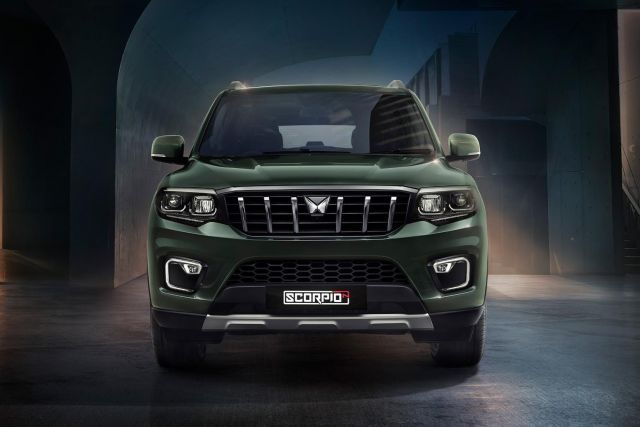
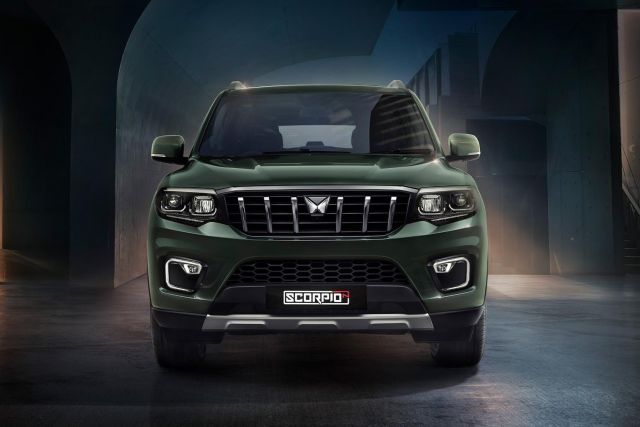
The Mahindra Scorpio N illustrates this shift. Praised by Global NCAP for structural strength, it earned five stars for occupant protection yet scored zero with ANCAP owing to limited ADAS. The contrast highlights how features like autonomous emergency braking, lane-keeping and blind-spot monitoring have become essential, especially for vehicles that can cause severe harm in a crash.
As standards evolve, future pickups will need more than muscle to earn top marks. Safety is no longer just about surviving impact; it’s about avoiding it altogether.
South Africa’s rapidly expanding delivery sector is driving strong demand for affordable, dependable motorcycles that can withstand the demands of daily commercial use.
One of the main results of the 2026 Global EV Driver Survey, released by the Global EV Alliance (GEVA) this week, show that South African battery electric vehicle (EV) drivers are among the most satisfied in the world.
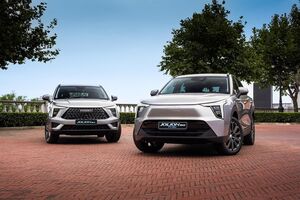
GWM South Africa has broadened its popular Jolion range with the introduction of the all-new Haval Jolion Max. Designed with modern families in mind, the newcomer combines increased interior space, new technology and a wider choice of powertrains, including petrol, hybrid and plug-in hybrid options.
 Advertisement
 Advertisement
Cars are the ultimate symbol of freedom, independence and individualism. They offer the freedom to ‘go anywhere,’ whenever it suits and with whom one chooses.
Sarah Redshaw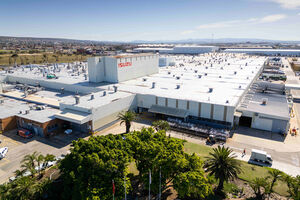
Isuzu Motors South Africa (IMSAf) has achieved a 38% reduction in Scope 1 and Scope 2 CO₂ emissions compared with its 2013 baseline while increasing vehicle production by 21% during the 2025/26 financial year at its Gqeberha manufacturing facility.

Diversifying oil supplies, investing in pipelines and rail infrastructure, improving port operations and expanding inland storage facilities are among the measures needed to reduce South Africa's vulnerability to international fuel supply disruptions.
Combined Motor Holdings (CMH) has appointed Charles Webber as the new Group CEO.